


Story by Memory Chamisa
Southern African Development Community (SADC) countries have called for coordinated action to advance the rights and empowerment of women and girls as part of efforts to end HIV and AIDS in the region.
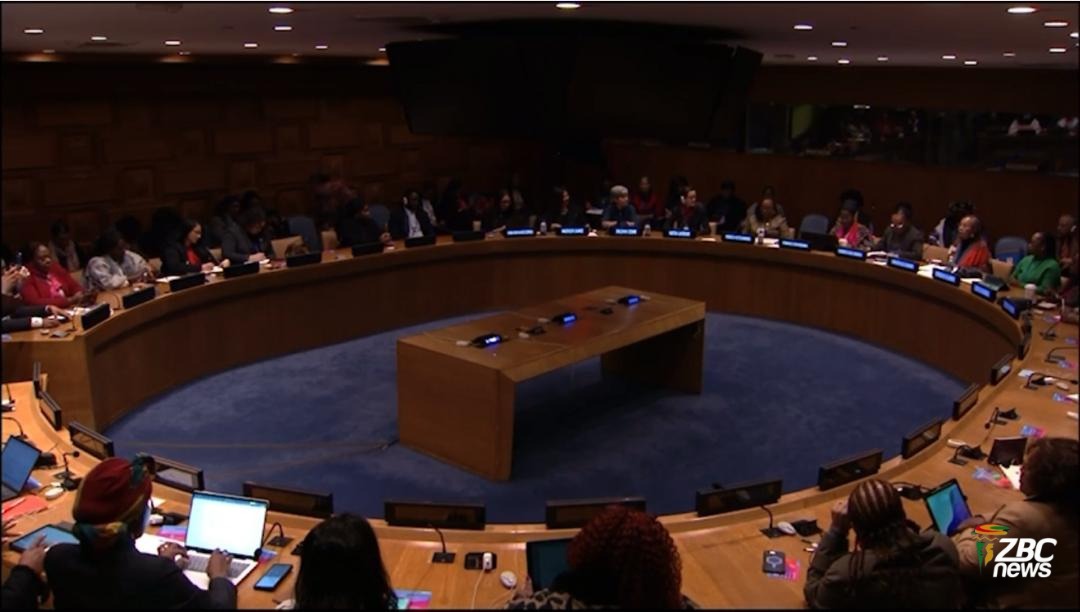
SADC Gender Ministers met with leaders from UN Women and UNAIDS on the sidelines of the Commission on the Status of Women 70th session in New York City to discuss strategies for sustaining HIV response efforts amid declining global funding.
The ministers stressed the urgent need for renewed financial commitments towards gender equality programmes, particularly those supporting women and girls who remain among the most vulnerable to HIV infection.
“The updated resolution 68/1, Women, the Girl Child and HIV and AIDS, underscores the urgent need to prioritise the health and rights of adolescent girls and young women in the context of the ongoing global AIDS pandemic and we need to be vigilant about this because if we do not, we would have failed our fellow sisters.”
“We need to ensure accountability and social accountability in delivering for women and girls in the HIV response. It is imperative to advance gender equality as central to ending AIDS, and reaffirm the commitments made in the 2021 United Nations General Assembly Political Declaration on HIV and AIDS.”
“Adolescent girls and young women are still disproportionately affected by HIV due to various socio-economic factors, including gender inequalities, poverty, and lack of access to education and healthcare. It is our task to see that access to healthcare systems is protected from new infections.”
Deputy Executive Director for Normative Support, UN System Coordination and Programme Results at UN Women, Nyaradzai Gumbonzvanda, said CSW Resolution 68/1 provides a framework for governments and stakeholders to strengthen efforts aimed at protecting the rights of women and girls affected by HIV.
”Efforts must focus on closing the gender gap in HIV prevention, treatment, care and support, while also addressing the underlying social, economic, and structural factors that perpetuate gender-based discrimination, violence, and inequalities and increase the vulnerability of women and girls to HIV. UN Women remains steadfast in its commitment to working collaboratively with governments, civil society, and other partners to create a world where the rights and dignity of all women and girls are respected, protected, and fulfilled, including women and girls living with, at risk of and affected by HIV.”
Zimbabwe’s Minister of Ministry of Women Affairs Community Small and Medium Enterprises Development Zimbabwe, Honourable Monica Mutsvangwa, emphasised the importance of strengthening legal and policy frameworks to eliminate gender-based violence and HIV-related stigma.
“We must ensure legal and justice reforms in all our countries explicitly protect the rights, safety, and bodily autonomy of women, young women and adolescent girls. There is a need to take concrete actions to strengthen enforcement, legal empowerment, and survivor-centred women and youth-responsive justice systems, and multisectoral partnerships between governments, SADC, UN agencies, civil society, and youth-led and women-led organisations must also be strengthened to advance coordinated implementation of CSW Resolution 68/1.”
The meeting was held under the theme “When Funding Retreats, Rights Recede: The Gendered Cost of Under-Investing in HIV, Reclaiming CSW Resolution 68/1 through sustaining investments in women, girls and HIV to achieve the equality and justice agenda.”
By prioritising the health and rights of women and girls while addressing HIV comprehensively, regional leaders say they aim to safeguard the wellbeing of communities and build a more equitable and resilient future.