



Story by Kenias Chivuzhe
PRODUCTION of high-value organic crops is gaining momentum across Zimbabwe, with farmers increasingly turning to turmeric, ginger and garlic as profitable and sustainable alternatives to traditional crops.
At least 31 districts are now engaged in organic farming, marking a significant shift towards climate-resilient and high-return agricultural practices.
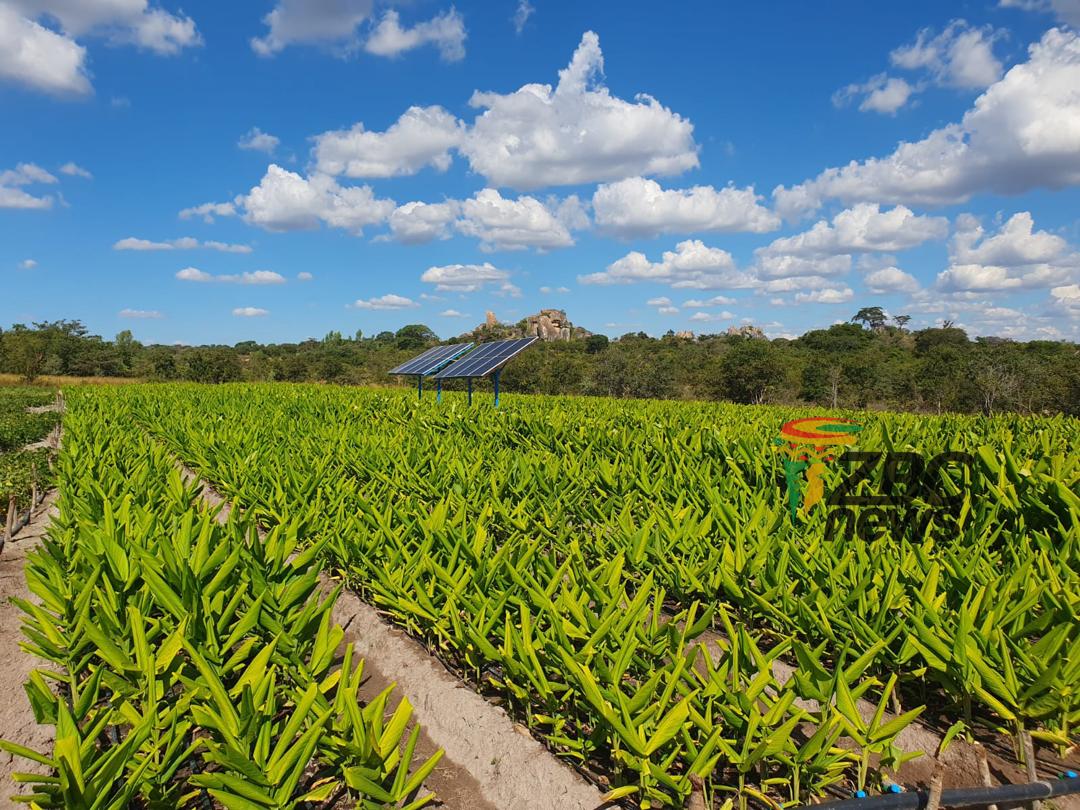
In Murewa, farmer Mr George Mugauri from Zinhumwe Village says organic production has proven to be a viable business model.
“We started with organic garlic using manure and no chemicals and we did well focusing on this cropping cycle. We planted organic turmeric on 16 November 2025, and it takes six to seven months to mature. This is a high-value crop that does not require fertilisers. So far, we planted 0.4 hectares and we are looking forward to producing eight tonnes of turmeric, which can generate 20,000 United States dollars. This is sandy soil where other crops are failing to do well, hence the decision to plant organic crops. In the future, we want to establish a factory here to process the products,” he said.
The shift has generated optimism within local communities, with residents highlighting both economic and health benefits.
“We are excited about the developments by our grandchildren. This will improve our health, and we want him to continue with production,” said one villager.
Another added: “We are happy with this development of growing this crop with enormous health benefits. If we are attacked by ailments such as stomach pains, we can eat it and feel better. We hope that more people produce these organic products.”
Chief Executive Officer of Reapers Private Limited, Mr Basil Nyabadza, said the sector is poised to play a pivotal role in boosting incomes and strengthening agricultural resilience.
“We will make sure that everyone can access seed for the production of organic crops. We are now operating in plus or minus 31 districts throughout the country. We want every urban and rural farmer to grow these crops,” he said.
He noted that returns improve over time due to soil enrichment.
“If you grow a hectare of this crop, you can get about 60,000 United States dollars. In the second year, you can go up to 75,000 dollars because the manure applied to the soil would have matured, and in the third year you are now talking of about 95,000 dollars per hectare,” he said.
Beyond primary production, the sector is expected to unlock value addition opportunities across food, medical and industrial applications.
“A minimum of 45 products will come from organic garlic, ginger and turmeric under food, medical and industrial production sectors. We are now in our eighth year of this exercise covering 31 districts, and we want to expand to all districts in the country,” he added.
With growing local and international demand, organic farming is increasingly positioning itself as a key driver of rural economic growth and agricultural transformation in Zimbabwe.

