



Story by Gay Matambo
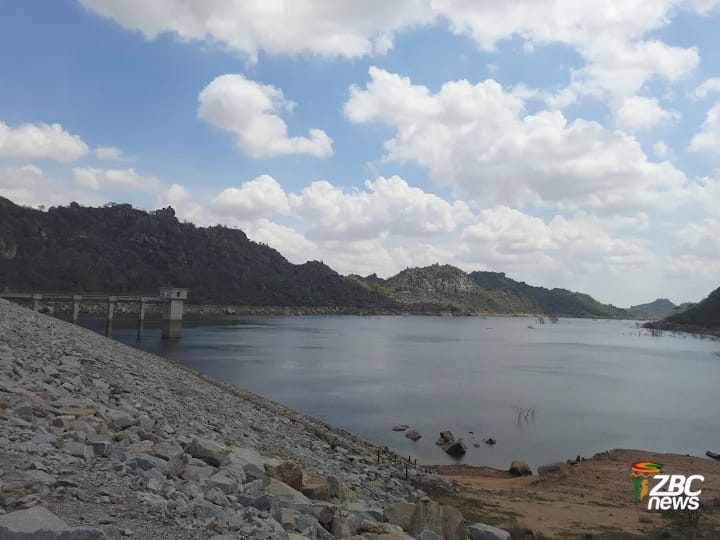
THE US$33 million Marovanyati Dam in Buhera District is redefining livelihoods, turning a once drought-prone region into a growing centre of agricultural and economic activity.
Commissioned in 2020, the dam has become more than just a water reservoir, it is now the backbone of local development, delivering reliable water for irrigation, livestock and domestic use.
For decades, Buhera was synonymous with erratic rainfall and poor harvests. Today, the vast water body has changed that narrative, enabling year-round farming and improving resilience against climate change.
Buhera District Development Co-ordinator, Mr Freeman Mavhiza says the dam has fundamentally shifted the district’s economic outlook.
“We do not look at it as a water reservoir, but as the heartbeat of our local economy… ensuring the district contributes significantly to the provincial GDP while insulating our people against droughts.”
At the centre of this transformation is the Murambinda Irrigation Scheme, where more than 100 farmers are now producing crops throughout the year. Designed to irrigate over 1 200 hectares, the scheme has reduced dependence on rainfall and improved food security.
Farmers say the project has moved them from vulnerability to productivity:
“We are moving from a state of vulnerability to becoming a production hub that can feed our families and even surrounding communities.”
Beyond Murambinda, more irrigation initiatives, including Kwarire, Guwanda and Mwerahari are in the pipeline, signalling further expansion of the district’s agricultural base.
The dam has also addressed long-standing water shortages in Murambinda town. According to the Zimbabwe National Water Authority, consistent water supply is now supporting essential services such as hospitals, schools and government offices.
In essence, Marovanyati Dam illustrates how strategic water infrastructure can transform rural economies, shifting communities from subsistence living to sustainable production and growth.

