



Story by Fairstars Mukungurutse
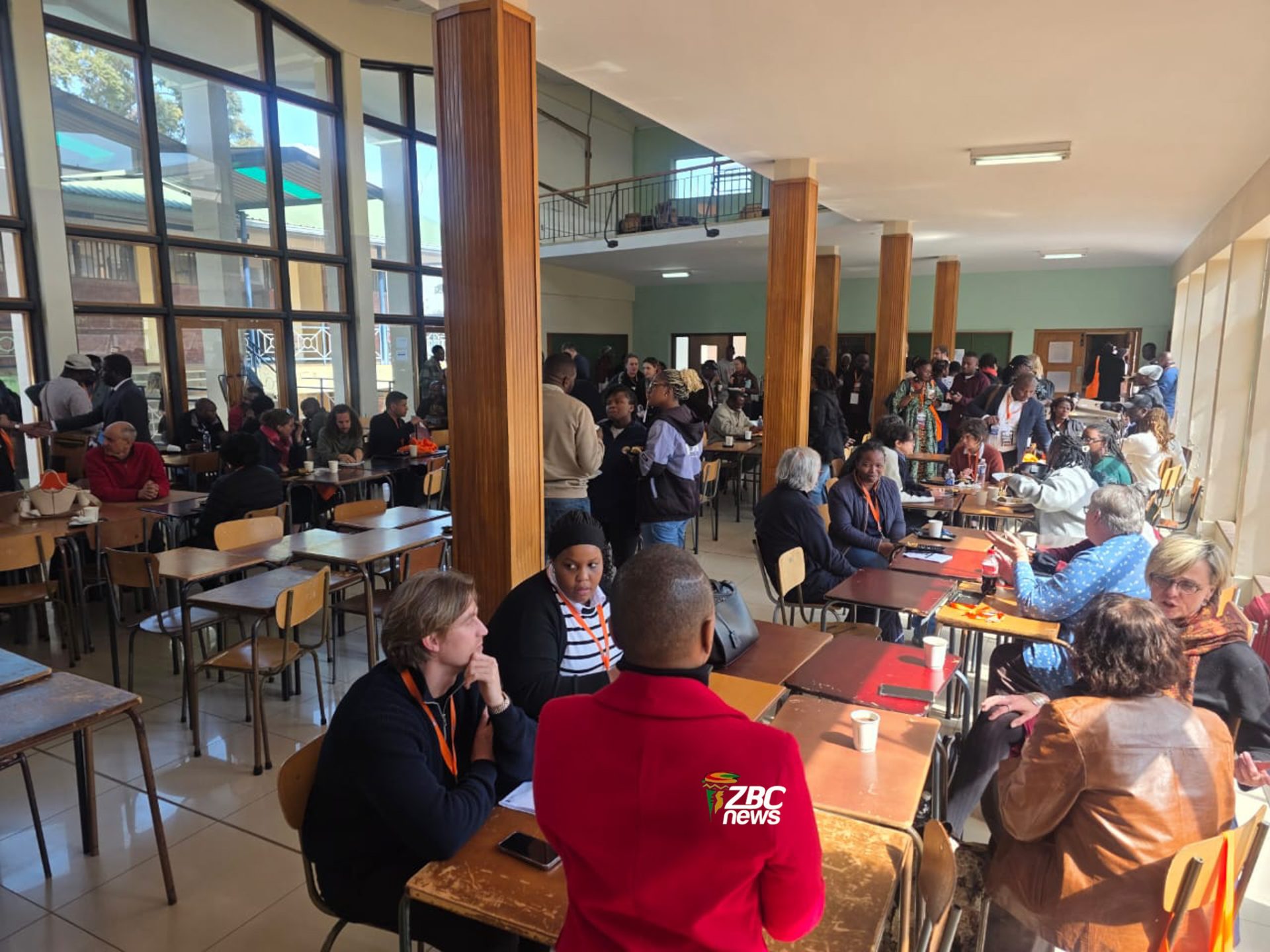
THE University of Zimbabwe has opened its doors to historians and scholars from across Southern Africa and beyond for a high-level academic conference aimed at deepening understanding of shared regional histories and their continuing influence on contemporary economic and social development.
The Southern African Historical Society Conference is being held under the theme “Re-imagining Legacies, Transitions, and Meanders in Southern African Economic Histories”, with delegates examining how historical scholarship can strengthen public memory, inform policy discourse and shape future research directions.
Speaking at the conference, Chairperson of the Department of History, Heritage and Knowledge Systems at the University of Zimbabwe, Professor Seke Katsamudanga, said history remains central to national development and education reform.
“History is a very important discipline. It keeps us informed of our past, and we learn from that past; it influences the present and also informs the future. So the conference provided that platform, and scholars gathered to deliberate and share ideas that can then shape the future direction of historical research. You are also very much aware that we are following the heritage education system, education 5.0. And it is a transformation that is very significant in the country’s education system,” Chairperson Dept of History Heritage and Knowledge Systems (UZ) Professor Seke Katsamudanga said.
“The theme is critical in shaping how research is packaged to try to extend the boundaries of knowledge in the historical sphere. We come together and share ideas and notes about how the discipline of history and economic history can be advanced so that people appreciate the past,” president Southern African Historical Society, Dr. Bernard Kusena said.
The conference offers a platform for direct exchange, enabling cross-institution partnerships that may support future studies and publications.
“My presentation was all about the importance of decolonizing the academy and moving away from European ideas of what history is and what matters in history, and allowing much more African ideas to come to the fore and the kinds of analysis that we do. So we have this amazing gathering of very many, particularly early career researchers, a lot of very young Zimbabwean historians who are bringing new things to the table, things that we don’t hear at similar conferences in the UK or the US. Without this kind of event happening, the discipline’s not going to change, so this is really important. It’s putting new ideas on the table, and then they’re going to spread out into the way that history is understood globally,” University of Liverpool Professor Diana Jeater said.
“The Southern African Historical Society Conferences are the best opportunity to meet with historians and scholars from the region. It’s always a really important opportunity to hear the new work that’s happening, the new studies that PhD students master students are producing an opportunity to meet with colleagues from Malawi, from Mozambique, South Africa, Zimbabwe, So, I always try and attend these conferences because they’re always very vibrant events where you can engage with the most up to date scholarship on the region,” University of Leicester, United Kingdom Dr Zoë Groves said.
“Too often our history has been written by others. This meeting is about African scholars taking charge of the archives and telling our own stories,” University of Zambia Dr Emmanuel Phiri said.
The Southern African Historical Society Conference remains a significant regional gathering for historians and allied scholars, reflecting the enduring importance of academic dialogue in shaping how Southern Africa understands its past.

