



Story by Tamuka Charakupa
THE Rural Development 8.0 Model implementation is gaining traction, with Makonde Rural District Council being the latest to commission several essential pieces of equipment meant to enhance service delivery.
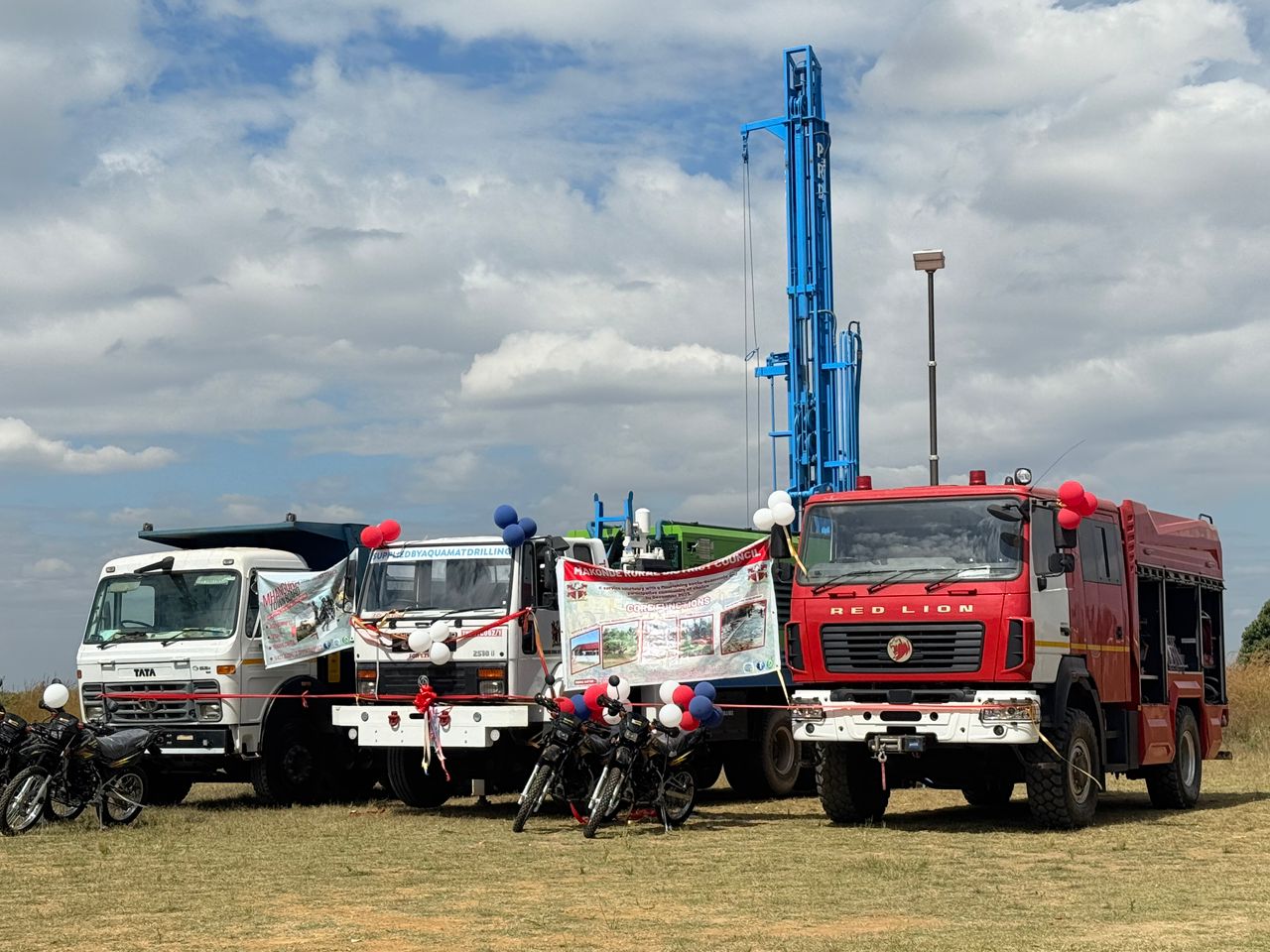
The commissioning of several pieces of essential equipment which include a borehole rig, fire tender, tipper truck, tractors and twenty-six motorbikes is the latest effort by the local authority towards enhancing service delivery.
“The council used close to US$650 000 towards the procurement of this equipment, which will be serving in our key thematic services. We continue to thank the Second Republic for disbursing devolution funds,” Makonde Rural District Council Chairperson, Mr Misheck Nyarubero said.
Councillors are excited about enhanced mobility and strengthening of grassroots representation.
“We want to express our gratitude to President Mnangagwa for introducing this initiative to local authorities. It is a huge boost in the discharge of our duties,” Ward 8, Councillor Mrs Ramu Madhishi noted.
Permanent Secretary for Mashonaland West Provincial Affairs and Devolution Mr Josphat Jaji said the development dovetails with the Second Republic’s Call to Action policy.
“This initiative reflects the broader decentralisation strategy, aimed at empowering local authorities and improving rural livelihoods. From the beginning, the Second Republic prioritised equipping councils to enhance service delivery. Makonde RDC made good use of the devolution funds by investing in equipment that supports all key development areas outlined in the National Development Strategy 1, including road rehabilitation, water access, public safety, and waste management,” he said.
The equipment is already being put to use: tractors are collecting refuse twice weekly in Lions Den and Mhangura, while the tipper truck and backhoe loader are being deployed for road maintenance and materials delivery.
The Second Republic’s devolution policy has become a catalyst for transformation of rural communities, bridging service delivery gaps and empowering local authorities to directly address the needs of their people ultimately improving access to essential services such as clean water, healthcare, education, and infrastructure.

