



Story by John Nhandara
ZIMBABWE is set to significantly strengthen its fuel security and regional energy position following plans to expand the capacity of the Beira-Feruka-Msasa pipeline from three billion litres to five billion litres per annum by the end of 2027.
The expansion marks the second phase of a broader infrastructure modernisation programme being spearheaded by the National Oil Infrastructure Company (NOIC), as Government intensifies efforts to enhance energy security, increase strategic fuel reserves and position Zimbabwe as a regional fuel distribution hub.
The latest development follows the successful completion of the first phase of the project, which increased the pipeline’s pumping capacity from two billion litres to the current three billion litres annually.
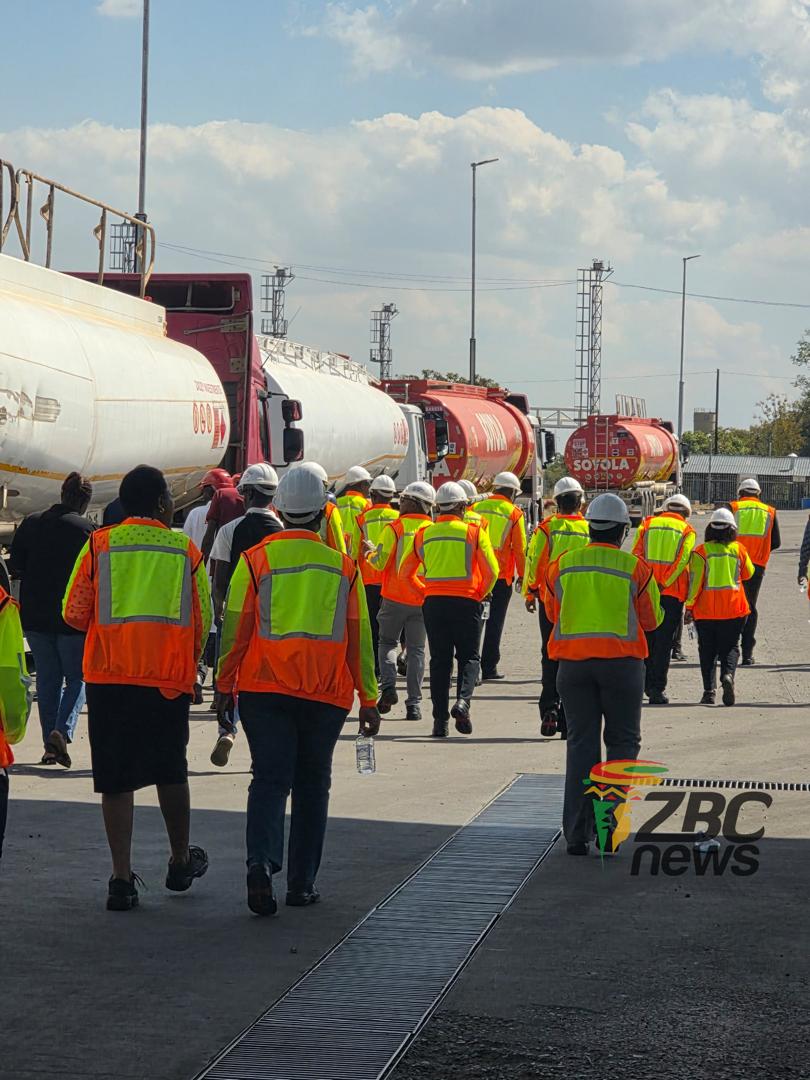
NOIC Board Chairperson Mr Innocent Chiganze briefed Parliament on the major infrastructure projects currently underway, highlighting the strategic importance of the expansion programme.
“Parliament’s mandate is oversight to ensure government resources are being utilised properly and efficiently. Members wanted to understand the projects we are implementing. We completed two ethanol storage tanks and recently upgraded the pipeline capacity from two billion litres to three billion litres per annum. We are now embarking on a further upgrade to five billion litres annually, which we hope to complete by the end of 2027,” he said.
Legislators expressed satisfaction with progress recorded on the projects, particularly regarding the country’s fuel reserves and storage capacity.
Chairperson of the Public Accounts Committee, Mr Caston Matewu, said the committee was impressed by the level of national preparedness.
“We wanted to verify whether government has adequate fuel reserves for the country. We were pleased to note that there are more than 540 million litres in reserve, enough to last for over three months. Zimbabwe also serves as a gateway for fuel exports to countries such as Zambia and the Democratic Republic of Congo,” he noted.
Meanwhile, work to upgrade liquefied petroleum gas (LPG) storage facilities in Ruwa is progressing steadily as part of broader efforts to diversify the country’s energy mix.
Deputy Chief Investment Officer at the Mutapa Investment Fund, Mr Enerst Denhere, said the projects are central to strengthening Zimbabwe’s long-term energy resilience.
“They have also been diversifying the energy mix through the expansion of LPG storage facilities. We are pleased with NOIC’s performance, and engagement with the Public Accounts Committee has helped members appreciate NOIC’s strategic importance, from underground storage facilities to the transit terminal at Mabvuku. These operations are central to Zimbabwe’s energy security,” he said.
Through projects such as the expansion of the Beira-Feruka-Msasa pipeline, Zimbabwe is consolidating its role as a strategic inland port and regional fuel distribution centre servicing markets including Zambia, Malawi, Botswana and the Democratic Republic of Congo.

