



Story by Lawrence Trusida, Sports Editor
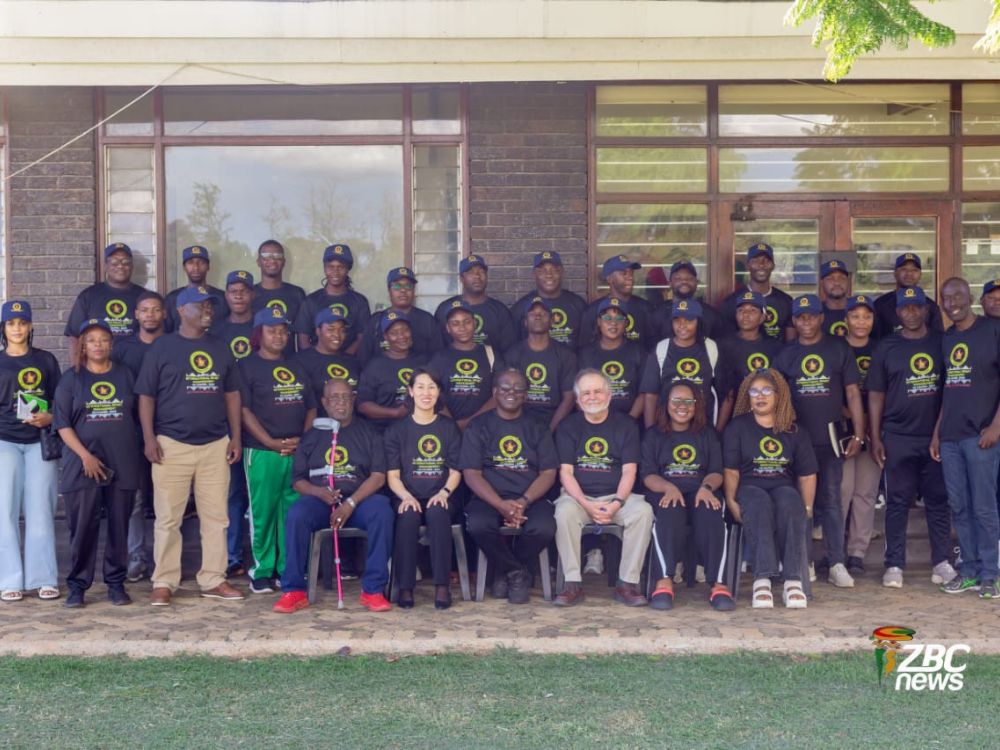
ZIMBABWE has taken a decisive step towards transforming its sporting landscape by hosting a Sports Management Certification Programme in Harare, focusing on the macro-economics of international sport and how to evaluate sports products in a trillion-dollar global industry.
The programme comes as the 2026 report by the World Economic Forum estimates the global sports economy to be valued at US$2.3 trillion annually, with projections indicating growth of up to US$3.7 trillion by 2030.
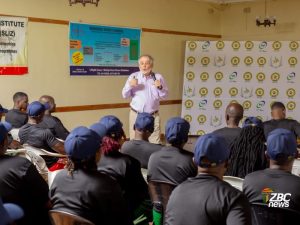
Facilitators from West Virginia University in the United States, Professor Gonzalo Bravo and Dr Cindy Lee, are working alongside the Africa Sports Business Forum and the Sports Leaders Institute of Zimbabwe to equip local administrators with the tools to measure value, strengthen governance and unlock new revenue streams.
“In today’s global sports economy, value is no longer limited to what happens on the field of play. Administrators must learn how to identify and evaluate both tangible assets, such as stadiums and broadcast rights, and intangible assets like brand equity, fan loyalty and community Impact. For a country like Zimbabwe, the opportunity lies in understanding how to package sport as a product. When you connect your sporting events to your tourism destinations, your heritage and your natural attractions, you create a broader value chain. That is how you derive sustainable economic impact from sport,” Professor of Sport Management for West Virginia University, Professor Gonzalo Bravo said.
Participants say the initiative signals a shift towards professionalising the sector.
“This programme is a game-changer for Zimbabwe. For a long time, we have focused on performance without giving equal attention to management and administration. If we want our sports industry to grow and compete internationally, we must professionalise the way we run our organisations. Continuous education ensures that administrators understand governance, financial management and strategic marketing, which are critical in unlocking the full potential of our sporting sector,” a participant, Thelma Masaka noted.
“Sport is no longer just about passion and talent. It is an industry. And like any other industry, it requires skilled people who understand planning, branding and revenue generation. If we do not invest in educating our administrators, we will remain behind. Courses like this give us the knowledge to transform our clubs and associations into sustainable institutions that can attract investment and grow the game,” Football Administrator, Benedict ‘Grinder’ Moyo added.
The Sports Leaders Institute of Zimbabwe believes Zimbabwe can claim its share of the expanding global market.
“The global sports industry is worth trillions of dollars, and Zimbabwe cannot afford to watch from the sidelines. We have the talent, we have the facilities, and we have world-class tourist attractions. What we need is structured knowledge and strategic thinking. Through this certification programme, we are building a new generation of sports leaders who understand how to tap into international markets, form partnerships and position Zimbabwe as a competitive player in the global sports economy,” Russell Mhiribidi explained.
Construction of the multi-purpose Mosi-oa-Tunya Stadium in Victoria Falls is set to strengthen the country’s sports tourism drive, with the facility expected to primarily host international cricket.
Resort towns across the country also boast established golf courses, further positioning sport as a tourism catalyst.
The country recently hosted the ICC Under-19 Cricket World Cup and the Africa Cup of Club Champions Hockey tournament, events that also served as platforms to showcase Zimbabwe’s tourism facilities to visiting teams and officials.
As the global sports economy accelerates towards the US$3.7 trillion mark, Zimbabwe’s investment in education signals a clear ambition to turn sport into a structured, measurable and globally competitive industry.

