



Story by Oleen Ndori, Foreign Editor
CALLS for the reform of the United Nations Security Council have been amplified with the High-Level Debate convened in New York this Tuesday on global peace, security, and multilateral cooperation.
The debate surrounding the reform of the United Nations and its principal peace and security organ, the Security Council, continues to dominate global diplomatic discourse, amid growing calls for the institution to reflect present-day geopolitical realities.
Developing nations argue that the current structure of the Security Council no longer adequately represents the interests and aspirations of the Global South, with concerns mounting over the exclusion of Africa from permanent representation.
Addressing the High-Level Debate on “Upholding the Purposes and Principles of the UN Charter and Strengthening the UN-Centered International System,” United Nations Secretary-General António Guterres said reforming the Security Council is critical in restoring credibility and effectiveness to the multilateral system.
“Global institutions must reflect today’s realities, not those of 1945. Nowhere is this more urgent than in this Council. A Security Council that does not reflect the geopolitical realities of today’s world cannot fully deliver on its responsibilities. For example, the absence of permanent representation for Africa is an historic injustice. It undermines the credibility of the Council and diminishes its effectiveness. Reform is about restoring credibility and better ensuring that this Council can act decisively and inclusively to uphold the Charter. Excellencies, we must also strengthen the broader multilateral system. Through our review of peace operations, to ensure they are fit for the future,” he said.
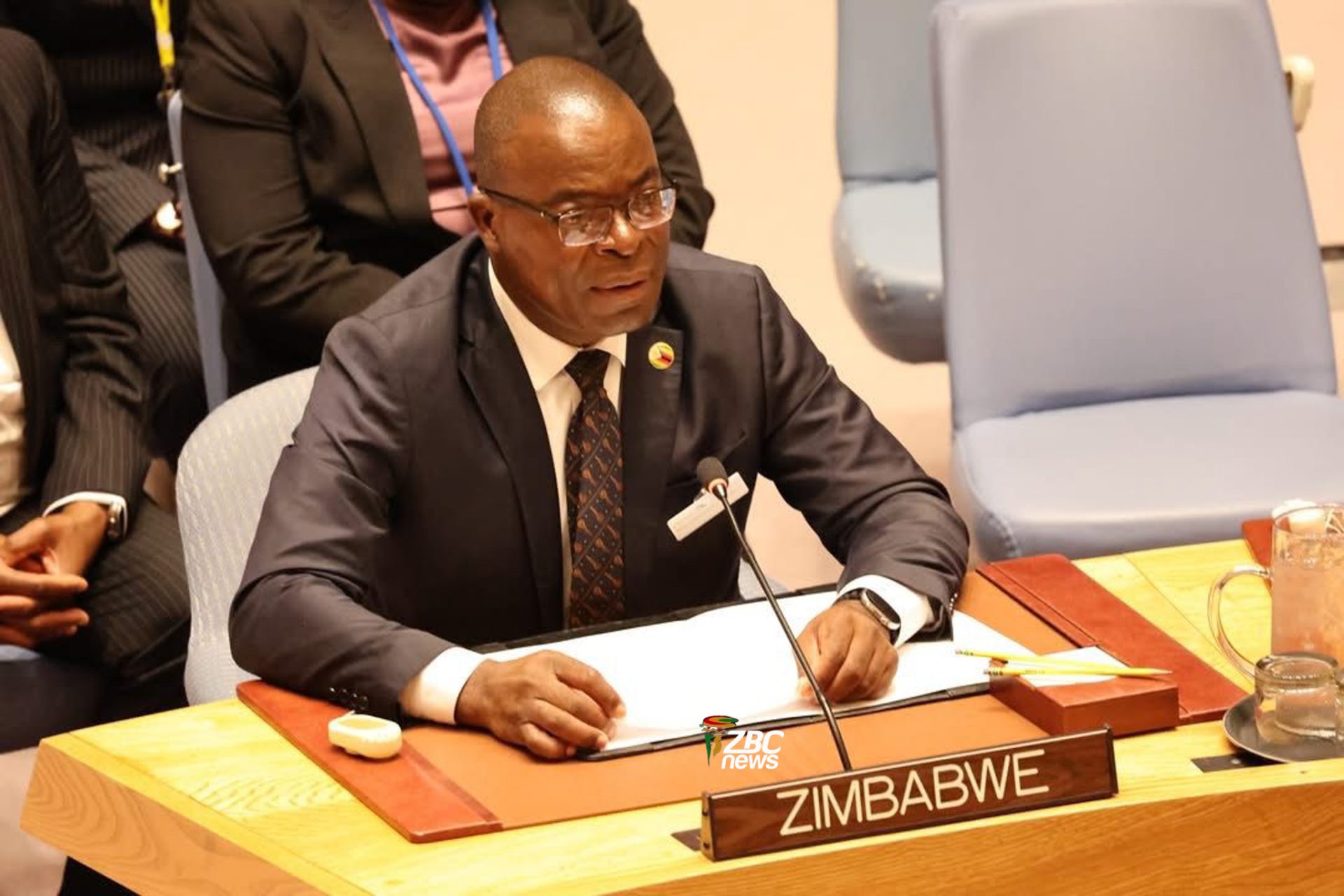
Zimbabwe, which is campaigning for election as a non-permanent member of the United Nations Security Council, reiterated its support for comprehensive reforms that promote equity, inclusivity, and equal representation for all member states.
Speaking during the debate, Minister of Foreign Affairs and International Trade, Professor Amon Murwira, said the legitimacy and effectiveness of the Security Council depend on addressing historical injustices against Africa and developing economies.
“The Republic of Zimbabwe remains committed to a United Nations Security Council that reflects contemporary geopolitical realities, not those of 1945. Its legitimacy and effectiveness require comprehensive reform that is member-state driven, and that corrects historical injustices, particularly Africa’s exclusion from permanent membership and its under-representation in the non-permanent category. Eighty years after the founding of the United Nations, the United Nations Charter remains both our shield and our canvas for guaranteeing durable peace and security.
“For Africa, the Charter also carried, and still carries, the promise and delivery of self-determination, dignity, and sovereign equality. Yet those very principles are under strain. We witness the erosion of multilateralism, the selective application of international law, unilateral measures, embargoes, exclusionary practices, and growing mistrust among nations. This weakens collective security and undermines cooperation. No nation, however powerful, can secure peace and prosperity alone. Armed conflict, terrorism, climate change, pandemics, cyber threats, and economic instability all demand renewed solidarity anchored in the United Nations Charter and in genuine multilateral cooperation,” he said.
The debate also highlighted the growing number of global conflicts and emerging security threats confronting the international community, with the UN Chief warning against deepening divisions among nations.
The High-Level Debate comes at a time when pressure continues to mount for a more democratic, representative, and inclusive United Nations system capable of responding effectively to contemporary global challenges.

