



Story by Yolanda Moyo
GOVERNMENT has intensified calls for a major transformation of Zimbabwe’s multi-billion-dollar pension sector, urging pension funds to channel long-term savings into productive infrastructure projects and national development as the country advances towards Vision 2030.
The push comes amid growing concern that much of the sector’s reported wealth remains tied to volatile stock market valuations rather than tangible, cash-generating investments capable of driving economic growth and industrialisation.
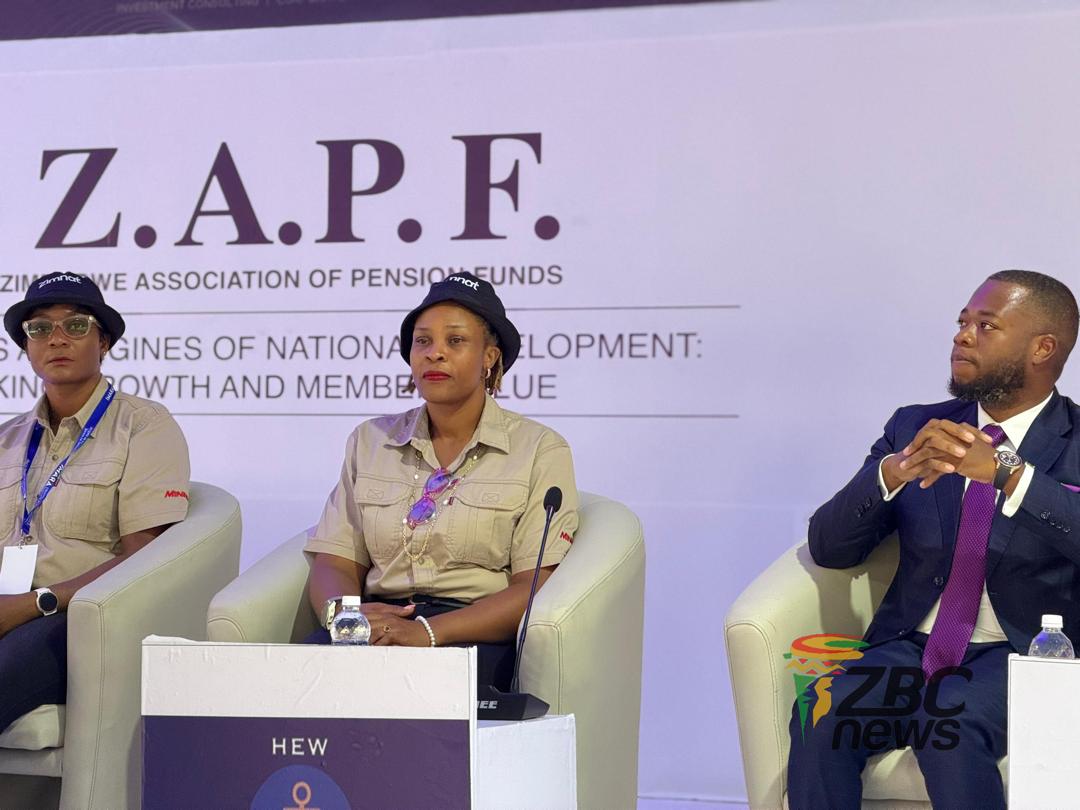
Speaking at the conclusion of the Zimbabwe Association of Pension Funds (ZAPF) conference this Friday, Deputy Minister of Finance, Economic Development and Investment Promotion, Honourable David Kudakwashe Mnangagwa, said the pension industry must move beyond passive investment models and play a more active role in financing national development priorities under the National Development Strategy Two (NDS2).
On paper, Zimbabwe’s pension sector has grown significantly, with assets surpassing US$3 billion by the end of 2025. However, Government says the industry must now align its growth with broader economic transformation goals.
“As we deliberate today as a pensions industry, what was our growth? Is it aligned with economic growth if we are saying pensions are engines that drive growth? I know it was US$3.1 billion; is that growth or contraction? I’m not sure if anyone knows the figures; maybe the Director General. What was the growth of assets in 2025? Is this a reflection of the average of everybody in the room? Did your books grow 12%?
“This sustained growth of the industry is required to usher our nation into upper-middle-income status. It is a goal that is not possible without the active participation of the pension sector as a primary vehicle for domestic resource mobilisation. By funnelling long-term savings into productive sectors, pension funds become the engines that drive infrastructure, industrialisation and innovation required to reach our 2030 milestones.
“We challenged pension funds to invest more in cash-generating Government projects. We offered a 150km stretch of road; we will give you a tollgate. Divest from some of the empty buildings downtown so that we move towards a more liquid portfolio. We are yet to see uptake from the industry in general. I hope that as we go into NDS2, there is more synergy between the pensions industry and Government, particularly from a public infrastructure point of view, the profitable public infrastructure,” the Deputy Minister said.
While welcoming the call to become engines of growth, the association proposed several recommendations to ensure the sector’s sustainability.
“As we celebrate 51 years of the Association, we recognise our role as disciplined custodians of capital. Our key recommendations from this annual conference are to ensure the sustainability of pension funds, as well as to grow the economy as we implement NDS2.
“Firstly, we need to diversify into the Victoria Falls International Finance Centre. Moving forward, we also need to partner with Government in land development and infrastructure projects. As pension funds, we must transition from paper wealth to impact investing,” said Director General of ZAPF, Mrs Sandra Tinotenda Musevenzo.
The association also recommended incentives for infrastructure bonds and a streamlined framework for public-private partnerships (PPPs) to support the shift towards impact investing.
If Zimbabwe successfully aligns pension capital with profitable public infrastructure under the NDS2, it could unlock new momentum for industrial growth, infrastructure expansion and long-term economic resilience, potentially accelerating progress towards Vision 2030.

