



Story by Yolanda Moyo
CUSTODIANS of Zimbabwe’s pension funds are broadening investment strategies beyond traditional property assets as the sector seeks stronger returns and increased contribution to economic development.
Zimbabwe’s pension industry is repositioning its investment strategy, moving away from the longstanding brick-and-mortar model that confined retirement savings largely to buildings and commercial property, towards diversified portfolios targeting productive sectors of the economy.
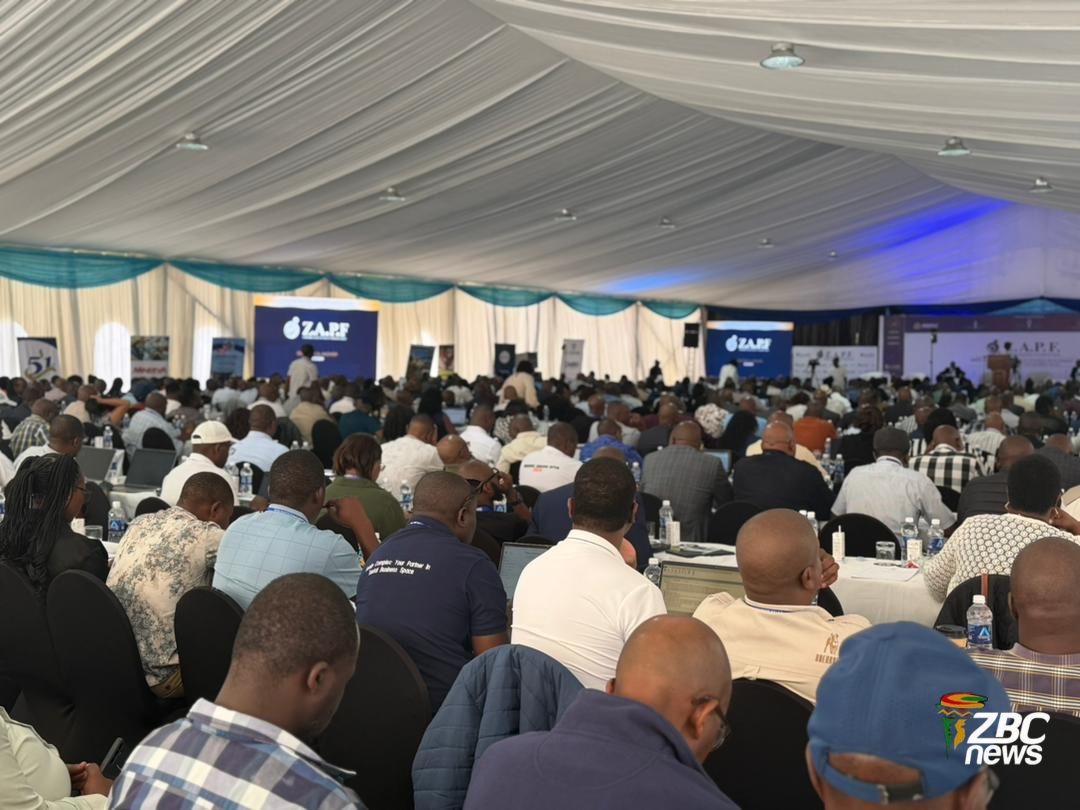
The shift emerged at the 51st Annual Congress of the Zimbabwe Association of Pension Funds (ZAPF) in Victoria Falls this Thursday, where industry leaders said pension funds must evolve from capital preservation vehicles into active engines of national development.
ZAPF Director General, Mrs Sandra Tinotenda Musevenzo, said diversification is now central to the future stability of the sector.
“For many years, pension funds in Zimbabwe largely depended on property as a preservation instrument. That model served its purpose, but the economy is changing and pension funds must evolve with it. We are encouraging institutions to move towards diversified portfolios that include agriculture, mining, infrastructure and innovation-based ventures. The objective is to ensure pension savings are not simply stored, but actively deployed into sectors that generate real economic value while delivering sustainable returns for pensioners,” she said.
Sectors such as horticulture and mining were identified as viable opportunities for pension-backed capital, with industry leaders highlighting their potential to generate export earnings, create jobs and stimulate long-term growth.
Operations Manager for the Horticultural Development Council of Zimbabwe, Mr Mandla Mataure, said local pension capital is ideal for long-term investments in productive sectors.
“The major constraint is production capital. We need to deploy investment into infrastructure, primary production and related areas. Local pension money is the best fit for long-term investments. With the right support, the sector has the potential to generate billions in export earnings and create hundreds of thousands of jobs,” he said.
Chief Executive Officer of the Chamber of Mines Zimbabwe, Mr Isaac Kwesu, said mining remains one of the country’s strongest sectors for long-term capital placement.
“Mining underpins export earnings and industrial development. Pension funds can participate through structured financing in mineral processing, equipment acquisition and expansion projects. With the right governance frameworks, these investments can protect contributors while supporting national production targets,” he said.
Discussions at the congress also focused on technology-driven pension models aimed at improving sustainability and investment efficiency.
Managing Director of Next Vantage Holdings, Mr Tawanda Chituku, said the future of pensions lies in innovative models that integrate technology and analytics with productive economic activity.
“The future of pensions lies in innovative models that use technology and analytics to create sustainable schemes linked directly to productive economic activity. Pension systems can evolve into productive financial engines capable of financing enterprise growth, supporting industrial ecosystems and creating measurable national value while protecting pensioners,” he said.
The discussions align with Zimbabwe’s broader economic reform agenda under the National Development Strategy Two (NDS2), which prioritises the mobilisation of domestic capital for industrialisation, value addition and inclusive economic growth.

