



Story by Tichaona Kurewa
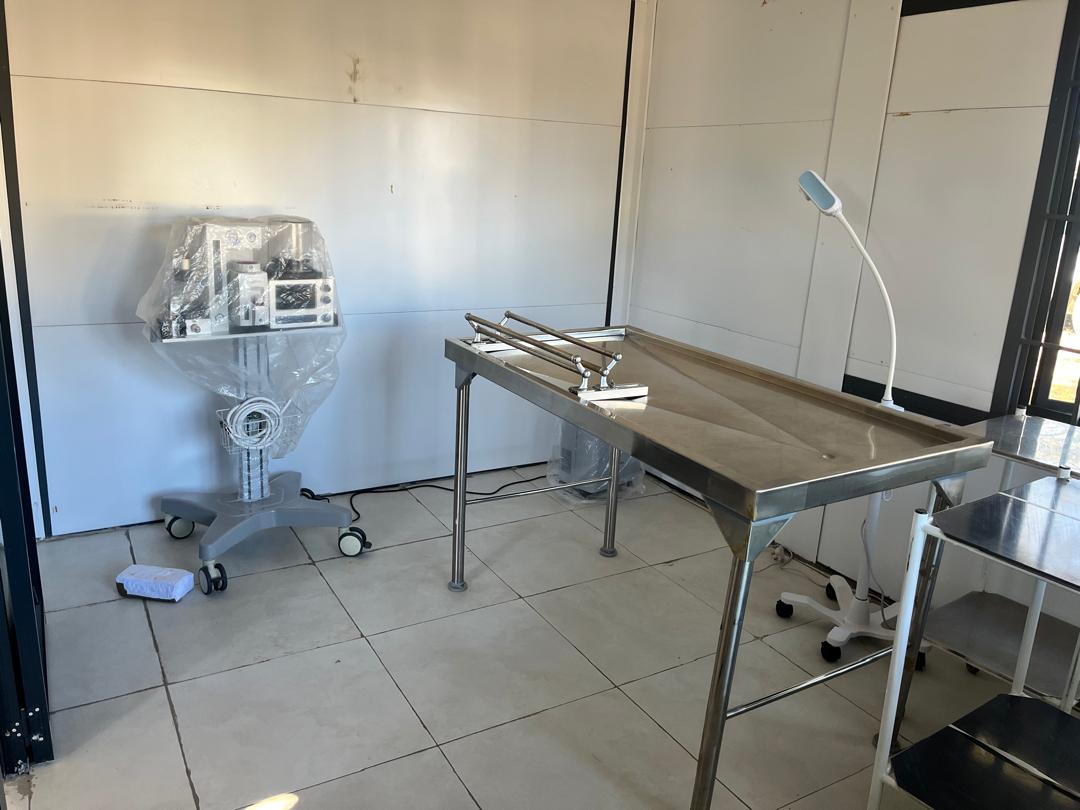
RURAL farmers in Tsholotsho District are set to benefit from improved livestock healthcare and enhanced draught power following the commissioning of a new veterinary clinic aimed at supporting communities that rely heavily on donkeys for transport and farming activities.
The facility, established by Working Animals International at a cost of approximately US$80 000, was officially commissioned this Friday and is expected to strengthen livestock production while improving the welfare of working animals central to rural livelihoods.
For many villagers, the clinic represents a critical intervention in a district where donkeys remain indispensable for daily survival, transport and agricultural production.
“Donkeys are our source of transport and they do most of the work for us. We collect firewood using donkeys and use them as draught power to carry harvested crops. They are essential in our daily lives, and as a community, we are happy to support this project,” one farmer said.
“I am excited about the opening of this clinic. I actually have a donkey here for treatment right now and I can already see the value of the facility. I will make sure to share this information with other farmers so they know where to bring their animals for care,” another villager added.
Project implementers highlighted the significance of the initiative to the community.
Global Chief Executive Officer of Working Animals International, Mrs Linda Edwards said the organisation is also introducing complementary initiatives aimed at improving road safety and animal care.
“We are going to start harness production and also introduce fluorescent collars for donkeys and cattle so they can be seen at night, helping both the animals and improving road safety for people. The clinic has the capacity to accommodate about 10 sick donkeys, but through mobile outreach services, we are looking at treating about 3 000 donkeys every month.”
Zimbabwe Chief Executive Officer for Working Animals International, Dr Keith Dutlow said donkeys play a critical role in sustaining rural livelihoods.
“Donkeys are silent working partners in daily life. They move people, goods and farm produce where vehicles cannot reach, carry the sick to hospitals and clinics, and support farming operations across many communities.
“We need to move away from seeing donkeys as just animals and recognise them as partners in development. This facility ensures they receive the care they deserve so they can continue supporting our communities,” Dr Dutlow noted.
Livestock production remains one of the key pillars for rural development and the attainment of Vision 2030.
Meanwhile, Zimbabwe joined the rest of the world in commemorating World Donkey Day, with stakeholders calling for increased protection and improved welfare for working donkeys, which continue to support livelihoods in rural communities across the country.
World Donkey Day is celebrated annually on May 8 to recognise the hardworking, resilient nature of donkeys and to raise awareness about their welfare.