



Story by Vivian Bangamu
GOVERNMENT has intensified efforts to curb drug and substance abuse with the commissioning of new drug testing and rehabilitation facilities in Harare, as authorities scale up a multi-sectoral response to what has been described as a growing public health and social challenge.
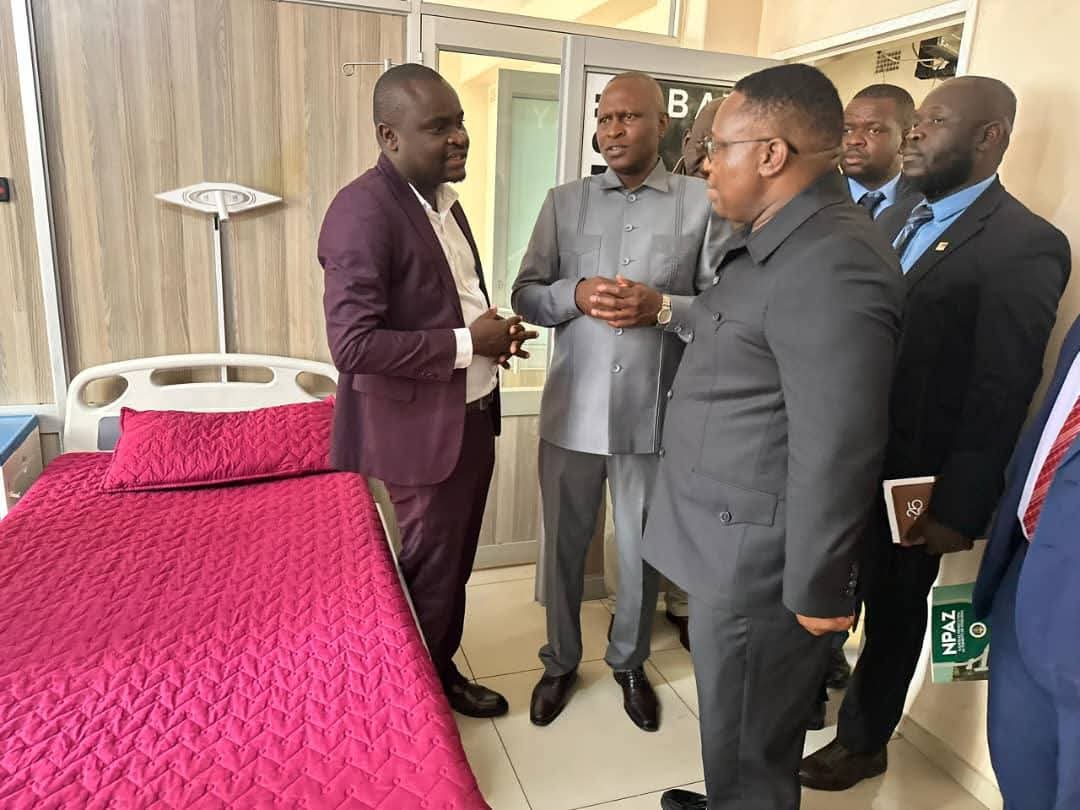
The Minister of Defence and Chairperson of the National Committee on Drug and Substance Abuse, Honourable Oppah Muchinguri-Kashiri, officially commissioned the Zimbabwe Red Cross Society Drug Testing Centres and the Wilkins Treatment and Rehabilitation Centre. The event forms part of the implementation of the Drug and Substance Abuse Multi-Sectoral Action Plan launched by President Emmerson Mnangagwa in June 2024.
In a speech read on her behalf by the Minister of Home Affairs and Cultural Heritage, Honourable Kazembe Kazembe, Minister Muchinguri-Kashiri said the new facilities reflect government’s commitment to a coordinated, whole-of-society approach to tackling drug abuse.
“Through the blueprint, our President has indeed inspired Zimbabweans to join hands in the fight against this vicious and threatening war.
The minister described drug and substance abuse as a growing global public health crisis, noting that it has devastating social and economic consequences, including increased crime, family breakdowns and pressure on the health system.
“Drug and substance abuse is a global public health challenge, which has affected over 316 million people worldwide. The threat is undoubtedly a growing global burden, claiming over 500 000 lives. Worryingly, the global increase in healthy years of life lost due to disability and premature death amongst the youthful population,” she said.
Minister Muchinguri-Kashiri revealed that a huge percentage of patients in mental health institutions in Zimbabwe suffer from drug-related disorders.
“The impacts of drug abuse are multifaceted, with the family fabric unit disintegrating and punctuated by gender-based violence. The rampant murder cases, negligent road traffic accidents, and hooliganism are an eyesore in our societies. It is saddening that 60% of patients in our mental health institutions have drug-related disorders,” she said.
She also stated that while curative measures are being implemented, stricter measures are also targeting peddlers and suppliers.
“The national security agencies are on high alert, with the CID Drugs and Narcotics Unit decentralised in all 10 provinces. Anti-drug surveillance systems have been activated at our ports of entry and in-country points. Over 32030 offenders have been apprehended and referred to courts for prosecution and stiffer penalties of up to 15 years in prison. We will continue to name and shame the convicted offenders without fear or favour,” she said.
She further highlighted government efforts under the Multi-Sectoral Action Plan, including intensified law enforcement against drug suppliers, with over 32 000 offenders arrested, tougher penalties introduced through amendments to the Dangerous Drugs Act and Harmful Liquids Act, and the establishment of specialised Drug and Substance Abuse Courts in all provinces.
Minister Muchinguri-Kashiri commended the Zimbabwe Red Cross Society for establishing screening and treatment centres in Copacabana and Highfields, which will provide testing, emergency overdose management and withdrawal support services.
“The two centres will offer emergency services, such as overdose management, intoxication therapy, and life support to drug withdrawal complications. These services are critical in saving lives and providing a safety net for those who are struggling with addiction,” she said.
She also acknowledged the University of Zimbabwe for leading a national population-based substance abuse screening programme that has capacitated over 2 000 health facilities countrywide.
The Minister said the government is also expanding treatment, rehabilitation and reintegration services, with more than 18 000 patients already assisted, as Zimbabwe works towards achieving a drug-free society by 2030.
She called on families, communities, religious institutions, traditional leaders, the media and young people to unite in preventing drug abuse, emphasising that the fight against drugs requires a collective national effort.
Minister Muchinguri-Kashiri, as she officially declared the Red Cross Screening Facilities and Wilkins Treatment and Rehabilitation Centre open, emphasised that there is a need to ensure that these services are spread countrywide, so that every citizen has access to the care they need, leaving no one and no community behind.

