



Story by Theophilus Chuma
THE Government is developing a Media Literacy and Information Strategy aimed at addressing the growing challenge of misinformation, while promoting fact-checking, ethical reporting, and responsible media consumption.
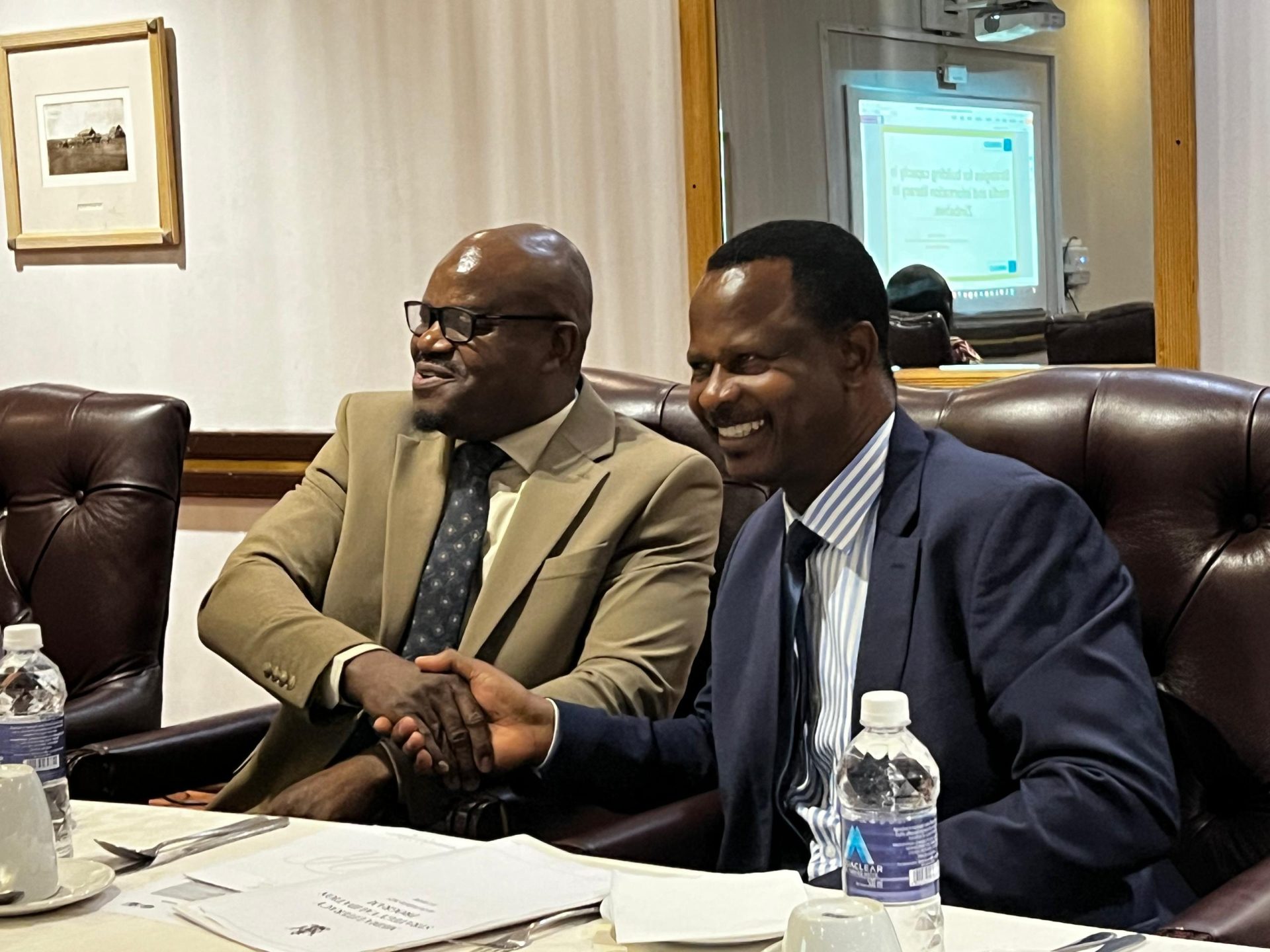
This was the central focus at the Second Validation Meeting on the strategy, held in Harare this Wednesday.
Stakeholders from across the media and communication sectors gathered to review and refine the draft document, which seeks to enhance integrity and accountability in the dissemination of information.
The strategy forms part of broader national efforts to build an informed and media-literate society, capable of navigating today’s complex information landscape.
Representing the Minister of Information, Publicity and Broadcasting Services, Dr Jenfan Muswere, the Deputy Minister Dr Omphile Marupi noted the strong position to promote ethical reporting and dissemination of accurate information.
“Let us commit to fostering an environment where truth travels faster than movements, providing every Zimbabwean with the knowledge needed to thrive. It is essential to step back and educate our people on detecting inaccuracies, raise awareness about communication before the digital spread of falsehoods,” he said.
Media Information Literacy is aligned to national aspirations of promoting critical thinking and fact-checking for the national good.
“We are going to start in schools, the curriculum in primary and secondary schools, for that critical thinking and analytical mind to start. But we also are going to make sure that we are keeping on removing fake news,” the Permanent Secretary in the ministry of Information, Publicity and Broadcasting Services, Mr Nick Mangwana said.
According to UNESCO and media experts, Media and Information Literacy is critical to empower communities’ ability to engage critically, navigate the online environment safely, and help build trust within the information ecosystem.
“Promoting Media Literacy is vital, and that is why we speak of empowering communities. This provides a set of essential skills to address the challenges of the 21st century, including the proliferation of mis- and disinformation and hate speech, the decline of trust in media and digital innovations, notably Artificial Intelligence,” UNESCO ROSA Adviser for Communication Information, Mr Yusuph Al Amin said.
“Meta, X removed third-party fact-checking mechanisms, which means that these are highly polluted bodies. If information sources are polluted, it means all your decision-making chains are flawed,” Regional Secretariat Director for MISA Regional Office, Dr Tabani Moyo said.
The rise of artificial intelligence has complicated the difference between misinformation; this is why the government is now implementing strategies that help to retain information integrity.

