



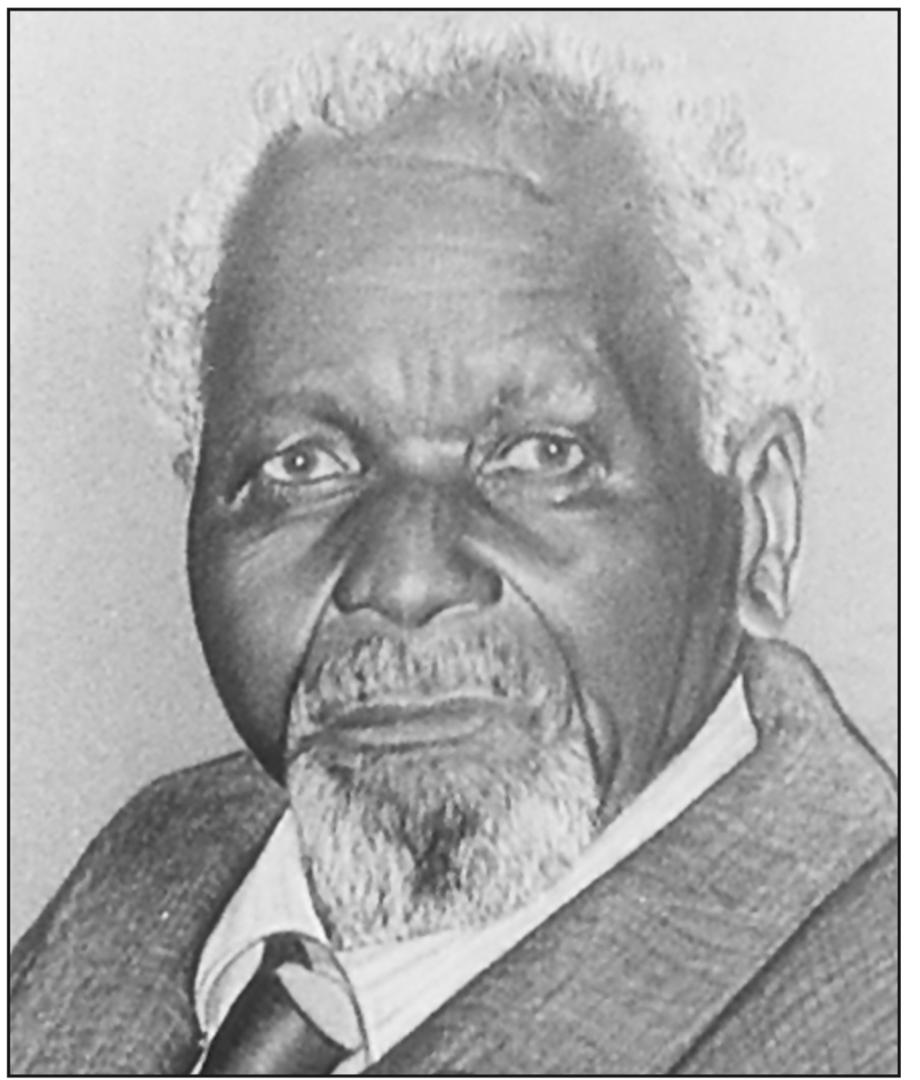
Story by Bruce Chahwanda, Political Editor
WITH the nation set to commemorate Heroes Day next month, we look at the works of the late Cde Sergeant Masotsha Ndlovu, who was one of the pioneers of Trade Unionism in Zimbabwe, which evolved into the rise of the African voice against colonial tyranny.
Sergeant Masotsha Ndlovu died on July 2, 1982, at the age of 92.
He was a member of ZAPU’s Central Committee and was largely recognised for his contribution to the development of the trade union movement.
Cde Ndlovu had a long and illustrious record in the struggle for independence, stretching over half a century.
He worked in various lowly-paid jobs before he went to South Africa to work by day and study by night in Cape Town.
The late national hero’s political education started in South Africa through his exposure to the South African Communist Party and the Trade Union Movement.
When he returned to work in his own country, he organised and campaigned for the Reformed Industrial and Commercial Union (RICU), becoming its secretary in 1929.
Later, he vigorously campaigned for his union in the rural areas, articulating the grievances of the people and attacking all forms of racial discrimination.
In the period after the Second World War, he joined and participated in successive nationalist organisations, namely ANC, NDP and ZAPU.
He was detained without trial several times, and for many years, Cde Ndlovu was a brave and foresighted man who believed in African nationalism and helped bring about keen political awareness among his people in the 1940s.
The current crop of trade unionists is still following in Cde Ndlovu’s footsteps, acknowledging the foundation he laid.
“We negotiate, we discuss, unlike in their time, and defend workers’ rights while ensuring they have a standing space. Workers were galvanised through that revolutionary mantra to support the gallant freedom fighters, providing shelter, clothes, and financial assistance. This was a monumental task, and we must celebrate these heroes who sacrificed their lives without expecting anything in return. This was fought by the gallant freedom fighters like Comrade Masocha Ndlovu. Not only him, we had the likes of Dr Joshua Nkomo, Cde Joseph Msika, and Cde Ziyapapa Moyo, all these people were trade unionists. Trade unionism is the highest stage of nationalism, and we continue to celebrate that legacy,” said Mr Shamuyarira, Secretary General of the Zimbabwe Federation of Trade Unions (ZFTU).
He further noted concerns that some contemporary unions risk being co-opted by neo-colonial interests.
“In our case, there are efforts to impose unwarranted sanctions aimed at turning the working class against its government. Yet government has created platforms like the Tripartite Negotiating Forum (TNF), now enacted by Parliament, which ensures equality among social partners. We must remain vigilant to safeguard this legacy, ensuring it is not diluted or manipulated to serve external interests,” Mr Shamuyarira added.
Apart from the honour of being interred at the national shrine, a major road in Harare’s Waterfalls suburb was named after Cde Masotsha Ndlovu in recognition of his illustrious contribution to the freedom of the country.

