



Story by Memory Chamisa
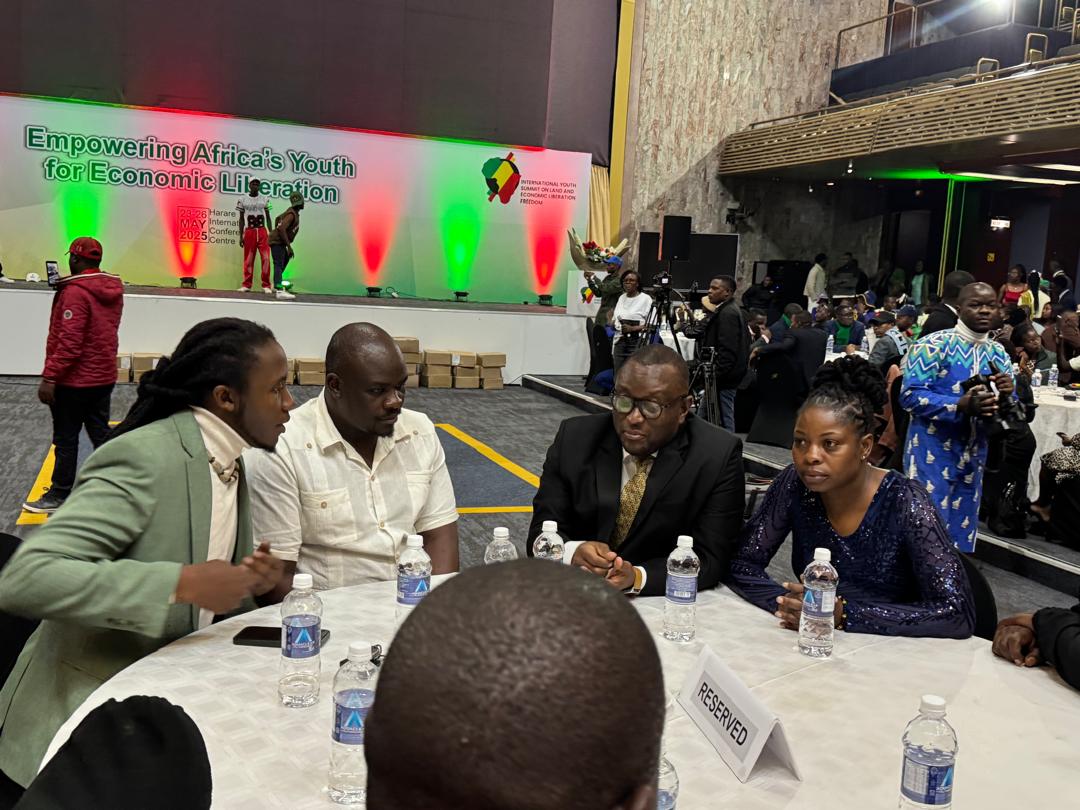
HARARE – THE curtain came down on the 2025 International Youth Summit on Land and Economic Freedom in Harare, with resounding calls for ideological clarity, continental unity, and land-based economic empowerment for Africa’s youth.
The summit, a Pan-African initiative, brought together young leaders, entrepreneurs, policymakers, and investors from across the continent and the international community, all rallying under the theme; ‘Land and Economic Freedom: The Key to Africa’s Sustainable Development.’
Youths from countries such as Zambia and Jamaica voiced strong sentiments on the importance of land in Africa’s economic liberation, citing ongoing resource-driven conflicts and foreign interference as major setbacks to the continent’s development.
“Africa has long been short-changed from development, look at the DRC conflict it is fuelled by issues to do with natural resources and foreign forces fuel many other wars across Africa for our land, so this is a chance to build youthful resilience on the importance of our land and its impact on our communities,” a youth from Zambia said.
“We hope to guide youths towards land reform dynamics, policy, and strategies to empower their communities in pursuit of land freedom, development, and economic liberation,” a Jamaican youth said.
Chairperson of the Africa Youth Congress, Honourable Taurai Kandishaya, described the summit as a defining moment for the Pan-African movement, underlining the pivotal role of land in sustainable development.
“In Africa, any talk of sustainable development that does not address land is fundamentally incomplete. Zimbabwe’s own land reform, often misunderstood globally, was driven by a principle of justice and historical redress. Despite sanctions and international criticism, the country stood firm, and today, land is in the hands of the majority. That is why Zimbabwe continues to progress with pride, resilience, and purpose,” he said.
Minister of Information, Publicity and Broadcasting Services, Dr Jenfan Muswere, commended the summit and reaffirmed the Second Republic’s commitment to inclusive youth empowerment. He said land remains a central pillar in the country’s pursuit of Vision 2030.
“President Emmerson Mnangagwa, whose governance is inclusive and visionary, is a leader that has actively created platforms for youths to be seen, heard, and engage in national development processes. It is through such deliberate empowerment, that young people are no longer on the periphery but at the very centre of Zimbabwe’s policy and innovation spaces.
“This is what makes the summit both timely and transformative, as it opens room for the continent’s young leaders to reflect, strategize, and articulate a future that is truly theirs. I am happy that they have field visits to some of the youths who own land and are doing well as this has also set as an example to some of them what Zimbabwe has done,” he said.
Delegates also took part in field visits to youth-led land initiatives across Zimbabwe, providing firsthand insight into successful empowerment models driven by land ownership and utilisation.
The summit concluded with renewed commitment among participants to pursue land and economic freedom as the cornerstone of Africa’s sovereignty and sustainable future.

