



Story by Aifheli Mudau
GWANDA – FARMERS in Gwanda District, Matabeleland South Province, are intensifying efforts to improve livestock productivity and grow the national herd by shifting focus towards hybrid cattle breeding, a practice that offers both economic and genetic benefits.
As part of broader strategies under the Livestock Recovery and Growth Plan, the move towards improved genetics is being hailed as key to transforming the livestock sector, which has been heavily impacted by recurrent droughts and declining cattle numbers.
Local livestock producers expressed optimism during interviews, highlighting the economic value of hybrid breeds.
“Breeding good hybrid cattle is essential for the market. These animals fetch better prices and also help grow the national herd. Traditional breeds are easier to keep, but if you want serious returns, hybrids are the way to go despite being a bit more demanding.” one Gwanda farmer said.
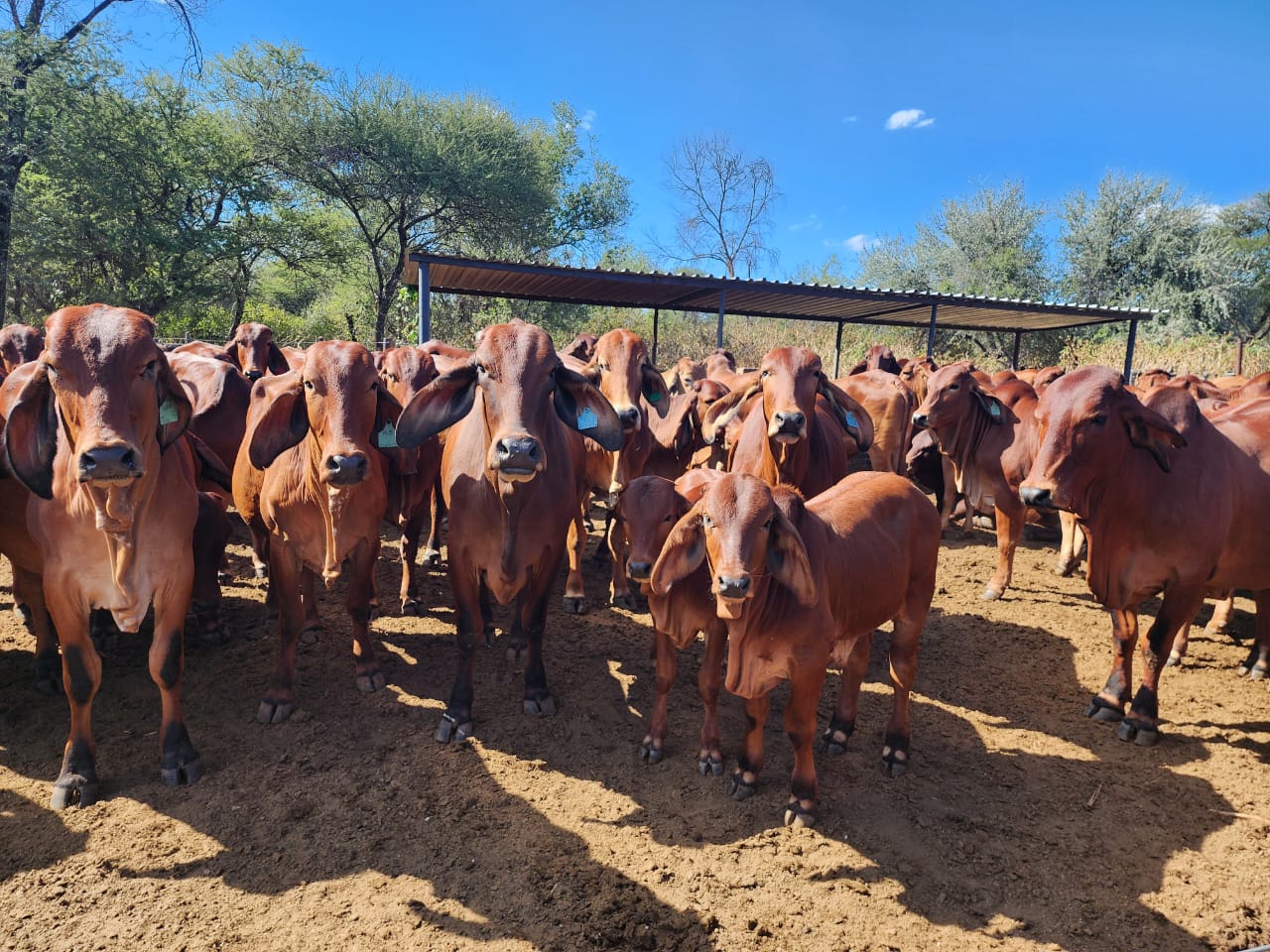
Among those investing in the sector is Mthandazo Nkolomi, a Red Brahman breeder and Zimbabwean diasporan, who believes hybridisation can support national food security and rural employment.
“Cattle ranching remains the backbone of our agricultural economy. As diasporas’, it is our duty to invest in this sector to help feed the nation, create jobs, and rebuild our national herd, which has dwindled over the years,” Nkolomi said.
In support of such initiatives, the Government, through the Ministry of Lands, Agriculture, Fisheries, Water and Rural Development, is rolling out programmes to provide heifers to farmers, enable restocking, and enhance overall livestock quality.
Zimbabwe’s livestock sector has faced challenges linked to climate change, particularly the El Niño-induced drought of the past year. However, policy shifts and stakeholder participation are beginning to yield promising results.
The recent State visit by President Emmerson Mnangagwa to Belarus also paved the way for agricultural cooperation, with agreements that will support livestock production and mechanisation, further anchoring the livestock recovery drive.

