



Story by Tapiwa Machemedze
MAZOWE and Glendale communities in Mashonaland Central Province are the latest beneficiaries of the Water, Sanitation and Health programmes being implemented by the government and its development partners.
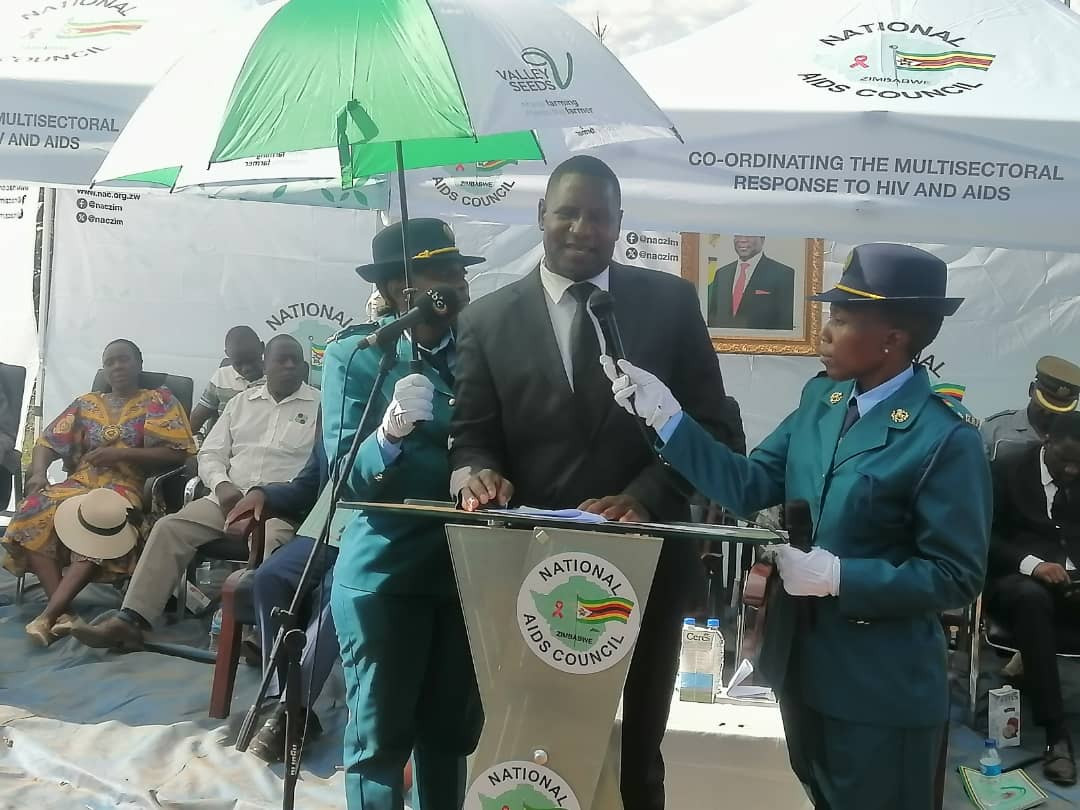
Community members gathered to witness the commissioning of solar powered water points under the programme.
The development comes as an intervention in areas that have experienced devastating cholera outbreaks in recent years.
“We are happy that we have this new borehole that has been commissioned, we had some challenges in the past with cholera,” a community member said.
“This borehole has brought a lot of relief in our area, we expect that we will now be safe and exercise high standards of hygiene,” another community member said.
“I want to thank the National Aids Council(NAC) and Chief Negomo for building this project in our area. It will help us greatly.”
Traditional leader, Chief Negomo extended his gratitude to NAC for complementing government efforts in providing safe and clean water to various communities.
“I want to thank NAC for responding when we call, but it is saddening to note that we have gathered for a disease caused by uncleanliness. Let us change our habits so that we gather for good things,” Chief Negomo said.
For the NAC, the boreholes signify a step in promoting good health, while the government maintained its commitment to providing clean water for all people.
“Clean and safe water is a critical component in the basic management of health in general. We cannot say as NAC we are fighting against HIV and AIDS by only giving out ARVs and yet our client is drinking unsafe water,” NAC CEO, Dr Bernard Madzima said.
“As leaders, we are happy this capital investment has come to our province. It shall remain here and benefit us, let us be grateful for that, and let us look after this equipment guarding against vandalism,” the Minister of State of Provincial Affairs and Devolution, Honourable Christopher Magomo said.
Mazowe district suffered two consecutive cholera outbreaks in 2023 and 2024 with the latest outbreak, which spilled over into 2025 affecting 194 people.

