



Article by Justin Mahlahla
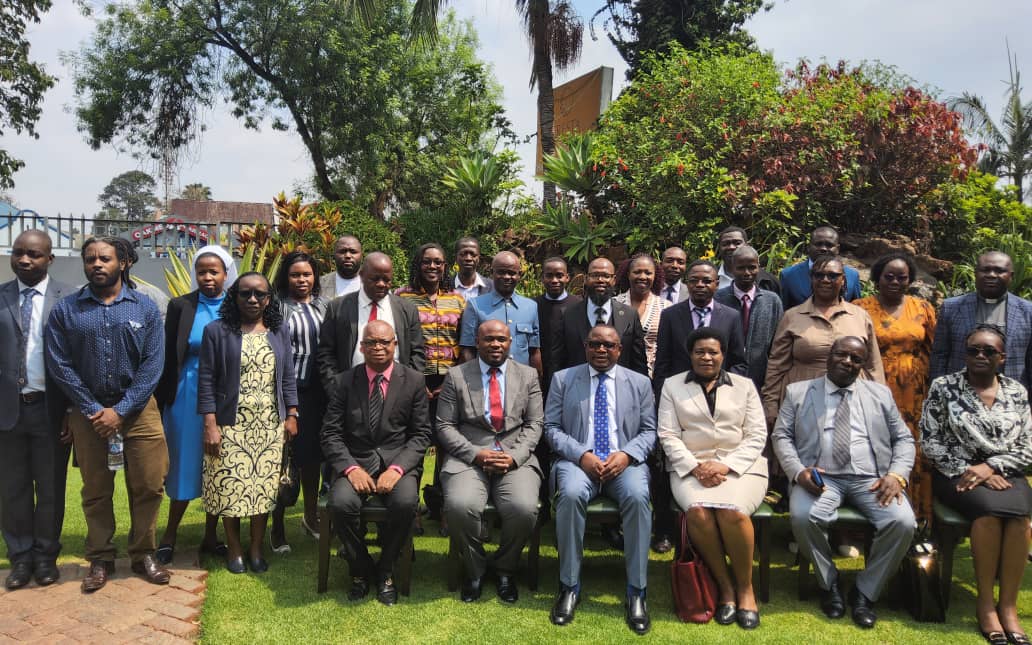
LAST week, stakeholders met at a validation workshop for the report on the Evaluation of the National Scholarships and Consensus Building on the National Scholarships Policy for Zimbabwe.
Presided over by the Minister of Skills Audit and Development, Professor Paul Mavima, the workshop sought to gather views and inputs on the development of a national scholarships policy.
Professor Mavima described the workshop as an important step towards implementing his Ministry’s mandate of ensuring that scholarship schemes are supportive of the developmental thrust of the nation, particularly Vision 2030.
“The realisation of the aspirations of Vision 2030 and Zimbabwes demographic dividend from its youthful population entails full development of Zimbabwes human resource through education and skills development. Scholarships are a key component in this human capital development matrix as they provide access to education for our young people, particularly those from disadvantaged backgrounds. The future of our nation depends on how we invest in the education of our youth to create a workforce which meets the needs of the country,” said Professor Mavima.
“This report reviews the success, challenges, and opportunities of our scholarship programmes. Through the participation and commendable efforts of various stakeholders, including government ministries, educational institutions, and civil society, this report highlights the status of scholarships, providing insight into their objectives and existing gaps. The recommendations are meant to address challenges within the current scholarship architecture in a quest to ensure that scholarships are linked to critical skills and strategic objectives of the country.”
He noted that a well thought-out and well-crafted policy, with the full support of all stakeholders in the scholarships ecosystem, will go a long way in ensuring that scholarships are well-coordinated and address the critical skills needs of the country.
Indeed, many countries have used scholarships to leapfrog their national development, and Zimbabwe can do the same.
Reviewing the Zimbabwe’s national scholarships policy in relation to skills development can result in the following benefits:
1. Improved alignment with current labor market needs: By reassessing the skills that are in demand within the country, the scholarships policy can be updated to focus on funding education in areas that are needed most in the workforce. This can help bridge the skills gap and reduce unemployment rates.
2. Improved targeting of priority sectors: The policy revision can include a focus on funding education in priority sectors identified by the government, such as agriculture, health and technology. This can help drive economic growth in these vital areas and support the country’s development goals.
3. Increased support for disadvantaged groups: The redesign of the scholarships policy can include provisions for increased access to funding for historically marginalised groups, such as women, rural communities and people living with disabilities.
This can help create a more inclusive and diverse workforce.
4. Enhanced collaboration with the private sector: By involving employers in defining the skills needed for the workforce, the scholarships policy can enable greater collaboration with the private sector. This can lead to more internship and job placement opportunities for scholarship recipients, increasing their employability.
5. Emphasis on outcomes and impact: The revised scholarships policy can place more emphasis on monitoring and evaluating the outcomes and impact of the funding, ensuring that it is effectively contributing to skills development and economic growth. This can support evidence-based decision-making and lead to continuous improvement in the policy.
Overall, reviewing the Zimbabwe national scholarships policy in relation to skills development can ensure that the funding is directed towards areas of greatest need and priority, resulting in a more skilled workforce, increased employability and sustainable economic development.

