



Story by Patience Nyagato
GOVERNMENT has stepped up engagement with the business community over the implementation of the Indigenisation and Economic Empowerment (Foreign Participation in Reserved Sectors) Regulations introduced late last year.
The regulations reserve key sectors of the economy for Zimbabwean citizens, including passenger buses, taxis and car hire services, retail and wholesale trade, barber shops and beauty salons, employment and estate agencies, bakeries, grain milling, haulage and logistics, artisanal mining, advertising and pharmaceutical retailing, among others, with limited exceptions for international brands.
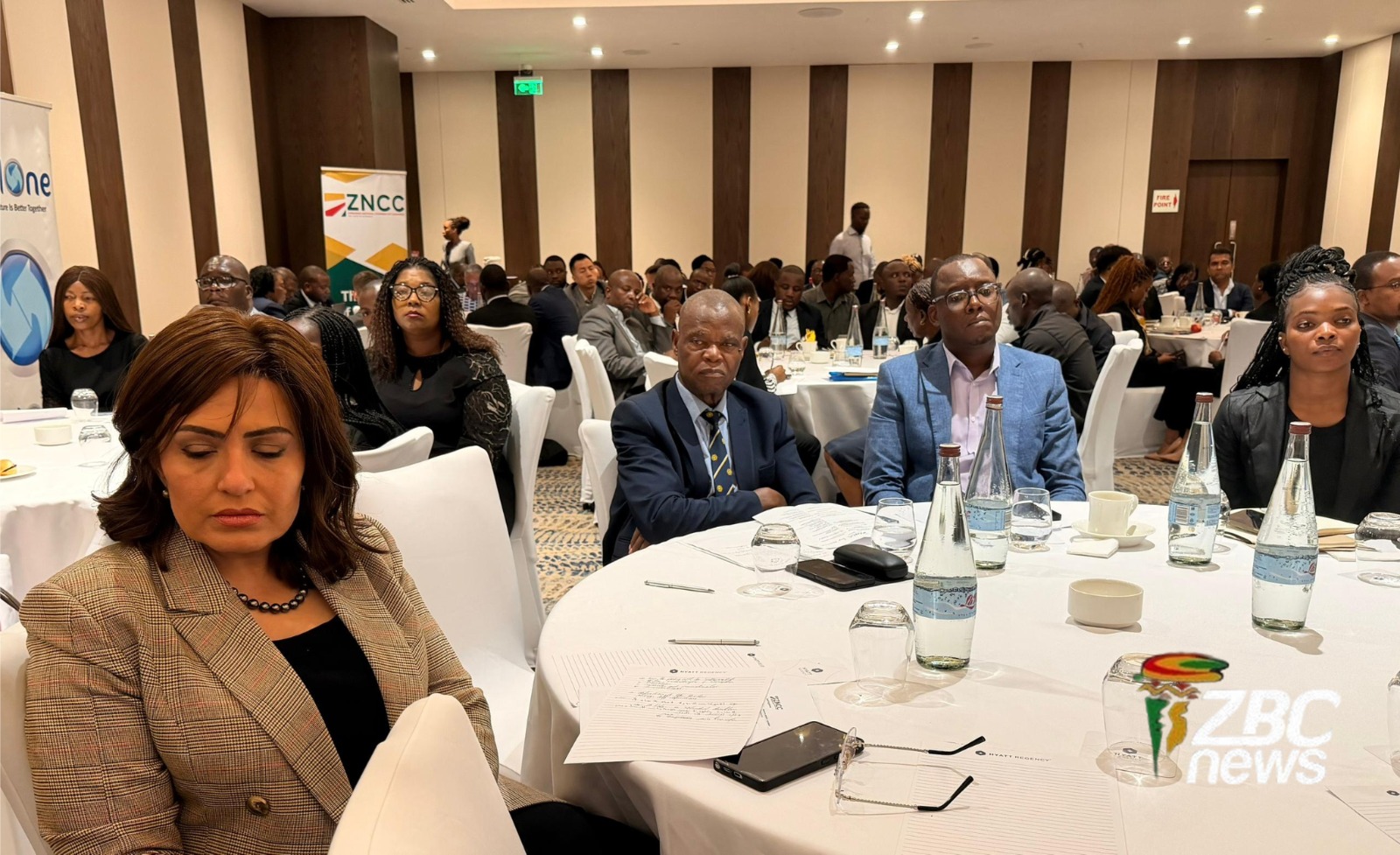
A breakfast meeting held this Wednesday brought together policymakers and industry stakeholders to address implementation challenges, strengthen compliance and ensure the smooth rollout of the 2025 regulations.
Zimbabwe National Chamber of Commerce (ZNCC) Mashonaland Region Vice President, Mr Ephraim Chawoneka, said while the policy was a significant development, practical concerns around its implementation needed attention.
“The reserved sector policy is a big development in our community as business,” he said. “With every policy there are intended motivations, but there are also unintended consequences in between. One of the key issues coming out is that currently there are many offices one has to visit and many forms to complete. If these can be consolidated into one specific office and processes streamlined, it will help in the implementation of what is otherwise a good policy.”

Mr Chawoneka also highlighted the need to strengthen local capacity, particularly through financial sector support.
“We are empowering local people and our institutions, particularly the financial sector, have to come on board to make sure our locals are capacitated financially,” he said. “There is also a need for a whole-of-government approach, where the right hand knows what the left hand is doing. Business is saying the tax authorities must also come on board. If that is addressed, implementation will be smooth.”
The construction sector has also called for inclusion under the reserved categories. Chief Executive Officer of the Zimbabwe Building Contractors Association, Ms Joyline Zindaga, said deliberate measures were needed to grow local capacity in high-value sectors.
“I think the SI is good, but there is a need to incorporate other sectors that contribute significantly to GDP, like construction,” she said. “We need a specific category reserved for locals. This will help in equipment acquisition and access to projects, and grow the local construction industry.”
Ms Zindaga expressed confidence in the sector’s capabilities, citing ongoing road rehabilitation works and major infrastructure projects such as the Trabablas Interchange as evidence of local contractors’ capacity.
Government officials say the policy is designed to protect and strengthen indigenous businesses in sectors where local capacity already exists but has been crowded out by foreign competition.
Deputy Minister of Women Affairs, Community, Small and Medium Enterprises Development, Honourable Kevin Mutimbanyoka, said Government had a “legitimate responsibility” to create space for local enterprises.
“Government has a legitimate responsibility to create space for local enterprises to grow, formalise and become competitive, while they build the scale and resilience required to compete regionally and globally in line with Vision 2030,” he said.
He raised concern over foreign-owned firms outsourcing transport and logistics services to companies from their countries of origin, despite the availability of capable Zimbabwean small and medium enterprises.
“The impact of this practice is profound. It drains value out of the local economy, suppresses the growth of indigenous transport businesses, and denies local entrepreneurs access to predictable contracts that would allow them to reinvest, expand and professionalise,” he said.
“This approach speaks directly to the President’s vision that economic empowerment must translate into broad-based citizen participation, not narrow accumulation.”
Industry players said continued dialogue between Government and business would be critical in balancing citizen empowerment objectives with investor confidence and sustainable economic growth.

