



Story by Memory Chamisa
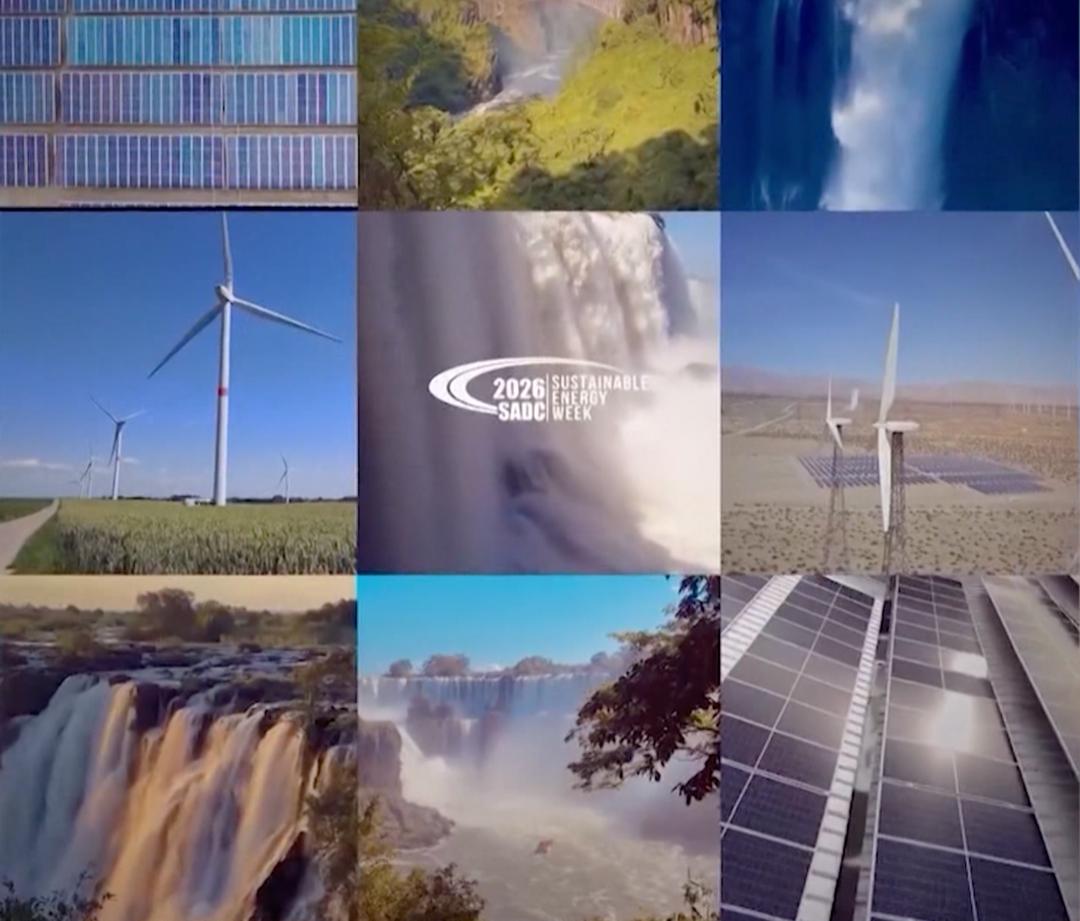
THE transition from traditional energy sources to renewables such as solar, hydro and wind power is critical to improving the lives of women across Zimbabwe, stakeholders have said ahead of the SADC Energy Week to be hosted in Victoria Falls from 23 to 27 February.
As Zimbabwe prepares to host the regional summit, attention is turning to the role women are playing, and must continue to play, in the country’s shift towards cleaner and more sustainable energy systems.
Zimbabwe, endowed with abundant solar, hydro and wind resources, is viewed as well positioned to accelerate its renewable energy adoption. Advocates say women are increasingly emerging as key drivers of that transformation, particularly in rural communities.
Executive Director of Lanforce Energy, Ms Judith Marera, said women-led initiatives are already reshaping access to energy at community level.
“In many rural areas, women-led projects have introduced innovative solutions that meet both energy needs and social objectives. Women’s involvement in energy is particularly impactful when it comes to fostering sustainable practices. Across Zimbabwe, women are leading projects that promote renewable energy solutions like clean cooking technologies and community solar systems. These initiatives not only reduce carbon emissions but also improve the quality of life for millions by providing safer, cleaner, and more reliable energy,” she said.
Project Coordinator at the Rural Electrification Fund, Engineer Virginia Gonye, echoed the sentiments, highlighting the practical benefits of women’s participation in clean energy programmes.
“Across Zimbabwe, women are leading projects that promote renewable energy solutions like clean cooking technologies and community solar systems. These initiatives not only reduce carbon emissions but also improve the quality of life for millions by providing safer, cleaner, and more reliable energy,” she said.
Government officials say women’s inclusion will be central to discussions at the upcoming summit.
Minister of Women Affairs, Community, Small and Medium Enterprises Development, Senator Monica Mutsvangwa, said access to reliable electricity and clean energy could significantly transform women’s economic prospects.
“Imagine a world where women have access to reliable electricity, clean cooking, and safe water. Not only would their quality of life improve, but their economic opportunities would expand. Women in rural areas are more likely to become wage earners when they have access to electricity. They can run businesses, engage in entrepreneurial ventures and contribute to their economies in ways that were previously impossible,” she said.
“The inclusion of women in this SADC Energy Week conference is imperative. Women are also playing a critical role in addressing energy poverty. As primary users and managers of household energy, women are acutely aware of the needs and challenges their communities face. This insight enables them to develop and advocate for energy solutions that are more effective, efficient and sustainable,” she added.
Minister of Energy and Power Development, Honourable July Moyo, said the summit would focus on mobilising investment into the renewable energy sector.
“We are excited to be hosting the SADC Energy Week this month. The 2026 Sustainable Energy Week will bring together Heads of State to look at ways of mobilising stakeholders into investing in the renewable energy sector. We have development partners, banks, pension funds and energy investors to promote energy generation to drive the region’s industrial development,” he said.
“The key is ensuring that energy solutions are affordable, accessible and meet the specific needs of women. Governments, organisations and businesses need to prioritise women’s needs in the energy sector, from clean cooking to water access and safety.”
Under the Renewable Energy and Energy Efficiency Strategy and Action Plan (REEESAP) running until 2030, SADC is targeting a 35 percent increase in renewable energy capacity, tapping into the region’s vast but underutilised solar, hydro and wind resources.
As Zimbabwe hosts the regional gathering, the spotlight will be firmly on how renewable energy can serve not only as a driver of industrial growth but as a catalyst for women’s empowerment and inclusive development.

