



Story by Oleen Ndori, Foreign editor
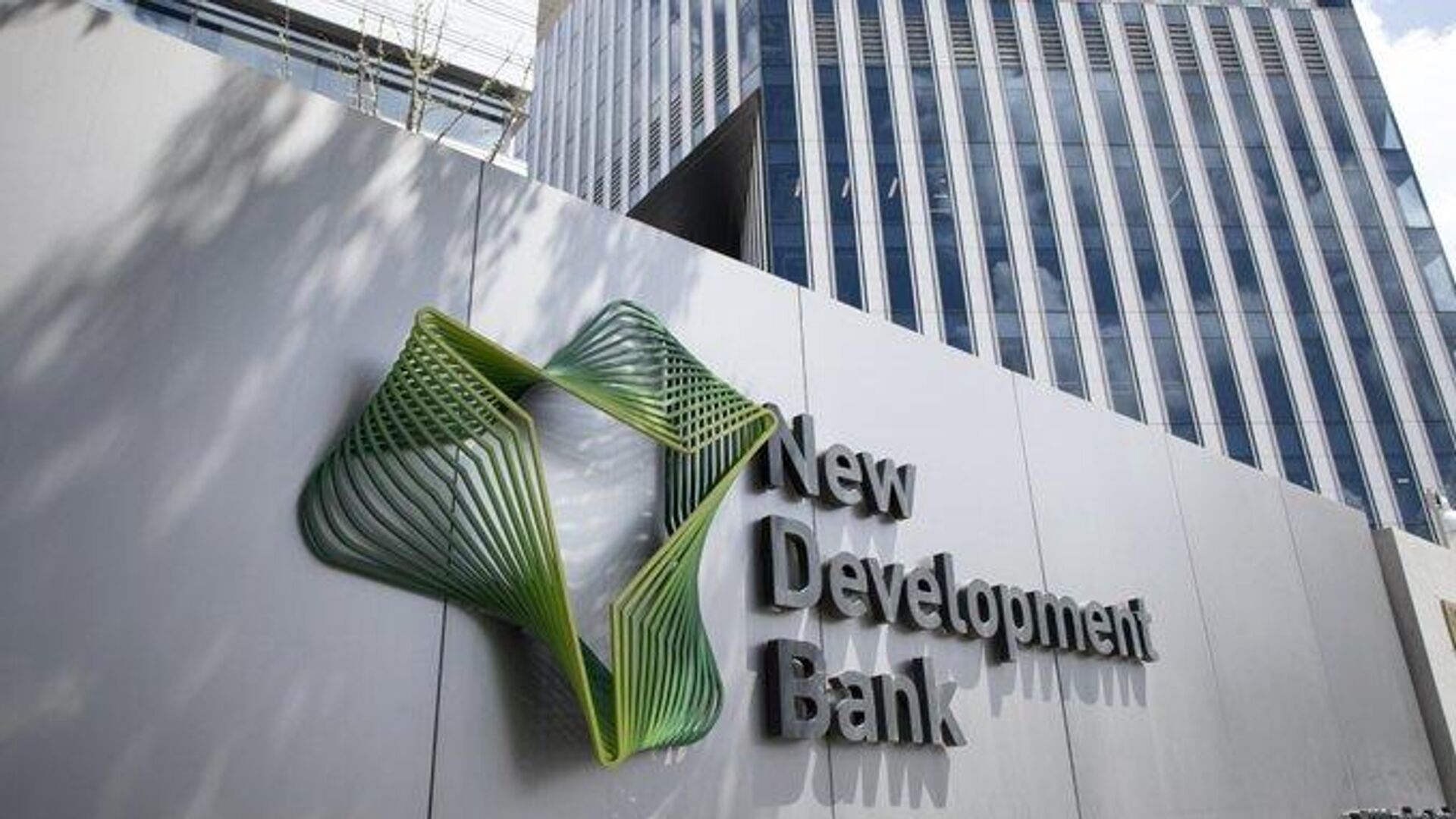
ZIMBABWE’S economic diplomacy and re-engagement drive has received a major boost after the commencement of formal negotiations for the country’s membership to the New Development Bank (NDB), commonly known as the BRICS Bank.
The Government of Zimbabwe has welcomed the decision by the New Development Bank (NDB) to commence formal negotiations towards the country’s membership in the institution.
In a statement, Finance, Economic Development and Investment Promotion Minister, Professor Mthuli Ncube, described the development as a major milestone for Zimbabwe’s engagement and re-engagement agenda.
Analysts say the move signals growing confidence in Zimbabwe’s economic reform trajectory and could provide the country with alternative development financing, critical for infrastructure modernisation, industrialisation and energy development under the National Development Strategy 2 (NDS2).
International relations expert Mr Motion Mbano said the development represents a strategic shift in Zimbabwe’s economic diplomacy.
“It is one of the most strategic and pragmatic shifts regarding Zimbabwe’s economic diplomacy. It means quite a lot. Most importantly, it means Zimbabwe has passed the reputational test regarding how it’s doing its economics to the extent that such a reputable bank has accepted to initiate and pursue negotiations that may foresee Zimbabwe being part of the bank.
“It’s quite pertinent that we look at that reputational respect that has been offered. But most importantly, again, it also allows Zimbabwe to diversify its eyes regarding its financial commitments and economic obligations, where it is no longer looking up to only the Western-based financial institutions like the IMF, the World Bank and World Revenue. It has also been given a chance to diversify those alternatives.”
The New Development Bank was established by BRICS member states to mobilise resources for infrastructure and sustainable development projects in emerging economies.
Academic Dr David Makwerere believes Zimbabwe stands to benefit in sectors such as transport infrastructure, digital transformation, mining value addition, climate resilience and agriculture.
“It positions Zimbabwe in a very strategic position, knowing that the BRICS is a growing bloc with interest in South-South cooperation, and I think it strategically positions the country to serve its own interests,” he said.
“Secondly, if we are to compare the BRICS with the G7 in recent years, in terms of purchasing power, you know that the BRICS has consistently outdone the G7, which is a sure sign of how the economies of the BRICS are growing. Also it is an important strategic position for the country because you are looking at strengthening South-South cooperation which in the broader scheme of things is a strong decolonial indicator in terms of trying to liberate our economies from undue influences, particularly from the Bretton Woods Institutes, that’s your World Bank, that’s your IMF.
“Not to say that they become irrelevant overnight, but at least providing an alternative will ensure that the country is not tied to aid with a lot of conditionalities, some of which are not very, very compatible with our existential realities.”
The development comes at a time when Zimbabwe is intensifying efforts to diversify investment partnerships and integrate into evolving global economic systems associated with BRICS economies.
The government says membership negotiations also align with the Second Republic’s commitment to inclusive growth.

