



Story by Memory Chamisa
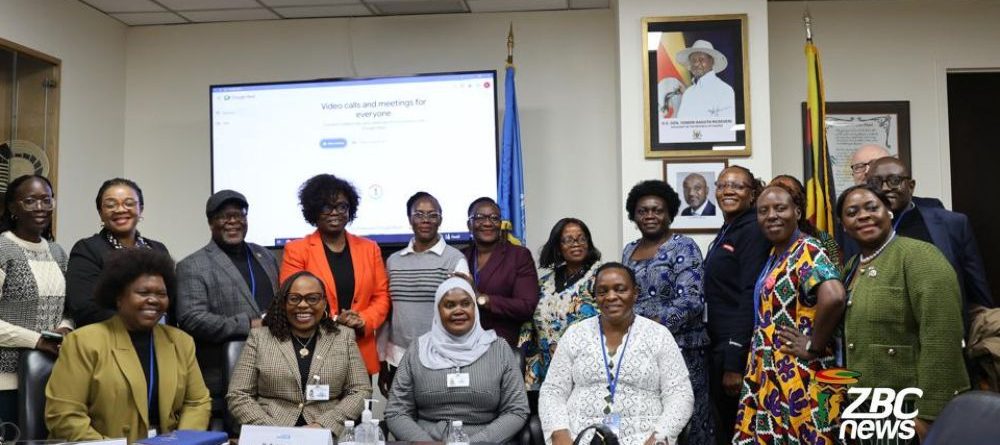
THE adoption and implementation of laws and policies that address discrimination and inequality are key to ensuring accountability for Gender-Based Violence (GBV) perpetrators and safeguarding women’s rights. This was highlighted during a joint side event hosted by Zimbabwe and Uganda on the sidelines of the 70th Session of the Commission on the Status of Women (CSW) in New York this Thursday.
The discussion focused on tackling Gender-Based Violence and accelerating survivor-centred services, with the two countries leading conversations on practical measures to strengthen protection systems and support for survivors.
African countries were challenged to establish legal frameworks that promote, enforce, and monitor gender equality, specifically to provide women with protection against violence.
A panel of gender champions highlighted the prevention of violence against women, girls and even men through transforming social and gender norms, attitudes, beliefs, harmful masculinities and practices.
“Social norms change requires a whole of population approach with engagement of and coordinated efforts from key stakeholders such as Traditional Chiefs, Church leaders, media, sport organisations, informal and formal education agencies, to promote gender equitable beliefs, behaviours, and practices. These transformative shifts are needed to occur at scale and at different levels; individual, interpersonal, community and societal, including within government institutions, coupled with essential services and support for survivors,” Deputy Chief Secretary of the President and Cabinet, Reverend Paul Damasane said.
“Uganda is one of the countries with alarming numbers of GBV cases, some even record deaths. Evidence shows that well-designed community-based interventions, delivered over longer periods, aimed at changing social norms, can reduce the experience of intimate partner violence. For example, a randomised control trial of the Safe Homes and Respect for Everyone (SHARE) Project in Uganda showed a 20 per cent reduction in women’s reports of past year physical and sexual IPV three years after baseline,” Uganda, Deputy Prime Minister Ms Rukia Nakadama Isanga said.
The construction of safe shelters across Zimbabwe, where all service providers are made available from the legal officers to the psycho therapists and medical doctors, has been helpful in helping GBV survivors. A whole-of-Government approach to ending violence against women and girls to bring positive and sustainable results has been made at scale through multi-sectoral budgeting, including through health, education, and social protection, amongst other sectors. Judiciary systems cannot afford delays in tackling GBV, quick response to case handling, enhanced survivor support, and strengthened institutional capacity are essential,” the Permanent Secretary in the Ministry of Justice, Legal and Parliamentary Affairs, Mrs Vimbayi Nyemba said.
UN Women Special Representative to the African Union Commission (AUC) and the United Nations Economic Commission for Africa (UNECA) Ms Doris Mpoumou said domestic financing is critical in the fight against GBV.
“Sustained political commitment and greater investments in effective prevention strategies through domestic financing, official development assistance, private and philanthropic financing to drive down the prevalence of gender-based violence against women and girls in all their diversity, including in humanitarian settings, is critical. Scale, as highlighted in the RESPECT framework, there are a growing number of approaches which have led to reductions in men’s perpetration of and women’s experience of violence by addressing the root causes of violence. There now needs to be increased investment to adapt and scale up evidence-based interventions.”
The Minister of Women Affairs, Community, Small and Medium Enterprises Development, Senator Monica Mutsvangwa, noted the need to strengthen the Judiciary’s ability to identify, prioritise, and expeditiously dispose of GBV cases while ensuring survivor-centred justice.
“GBV remains a serious justice challenge requiring systemic reforms, improved case management, and coordinated institutional response. There is no room for failure. More than four in five women and girls, are living in countries without robust legal protection, or in countries for which data is not readily available. This signals the need for urgent action by countries to develop and pass laws and policies consistent with global standards. There is a need to improve case tracking and management using information technology, promote survivor-centred approaches within court processes, and reduce delays that discourage victims from pursuing justice,” she said.
The event, which was held under the theme: ‘Justice Without Delay: Transforming Justice Systems for Survivors of Gender-Based Violence in Uganda and Zimbabwe’, concluded with consensus to accelerate survivor-centred justice through stronger forensic medical, legal systems, and improved coordination across the justice chain.
The dialogue also served as a catalyst for stronger partnerships among African countries and demonstrated the continent’s commitment to ending gender-based violence and advancing the empowerment of women and girls.

