



Story by Yolanda Moyo
BULAWAYO-ZIMBABWE is making significant strides in revolutionising its disaster risk management strategies, moving from reactive responses to proactive anticipatory action, which is transforming lives and building resilience in communities across the nation.
Over the past two years, a collaborative programme led by the Government in partnership with the Food and Agriculture Organisation of the United Nations (FAO) and other stakeholders has empowered vulnerable communities with the tools and knowledge to act on early warning systems.
The results have been tangible, from improved harvests to livestock survival during droughts.
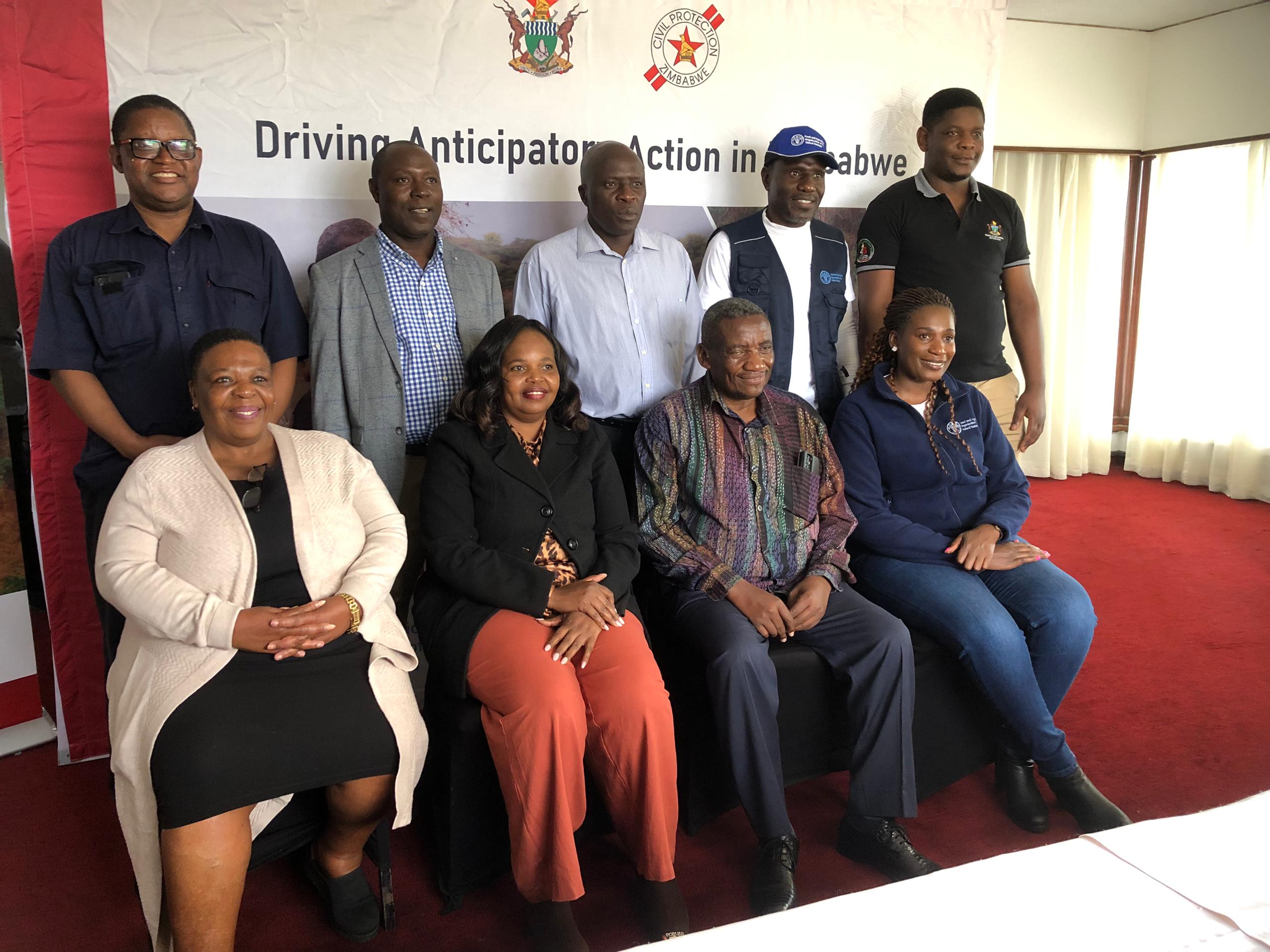
Stakeholders met in Bulawayo to reflect on the programme’s impact and the lessons learned, with programme beneficiaries sharing how anticipatory action has transformed their lives.
“Before this programme, we were always caught off guard. A dry spell would hit, and our crops would just wither away. We lost so much. But now, with the early warning messages we receive on our phones and through community meetings, we know exactly when to plant, and crucially, what to plant.
“We have benefited immensely as a community through this programme. We have embraced other agricultural innovations, such as water harvesting and improved soil management techniques, to further enhance our harvests. For the past two years, I have been focusing on drought-tolerant maize varieties and making sure my planting schedule aligns with the forecasted rainfall. This past season, even with the challenging weather, I harvested a decent crop. It is truly life-changing, we are no longer just hoping for the best, we are planning for it,” a farmer said.
“The project’s reach extends beyond crop production, with a significant focus on livestock management. My cattle are my wealth. In the past, dry seasons meant desperate times. We would lose so many animals to starvation because there was not enough fodder. Thanks to the training we received, we have learned to anticipate these lean periods. I now focus on planting small grains like sorghum and millet, and fodder. I also now understand the importance of preserving crop residues and making silage. Last year, when the drought was severe, I had enough feed to sustain my entire herd. It is not just about saving my animals, it is about safeguarding my family’s future,” a livestock farmer said.
Speaking during the review meeting, FAO Assistant Representative for Programmes, Ms Tendai Munyokoveri, hailed the approach’s success and called for scaling up such initiatives.
“The two-year implementation period has demonstrated the immense value of investing in anticipatory action. A crucial lesson has been the power of localised, context-specific early warning messages, delivered through accessible channels like community radio.
“When farmers receive timely and understandable information, coupled with practical advice, they are empowered to make informed decisions that directly protect their livelihoods. We have also learned the importance of providing tangible support, such as drought-tolerant seeds and micro-irrigation kits, to enable communities to put anticipatory actions into practice. The success stories from Matobo and Beitbridge are a testament to the effectiveness of this holistic approach and underscore the need for continued investment and scaling up of these interventions,” she said.
Director of the Civil Protection Unit, Mr Nathan Nkomo, emphasised that for such strategies to be sustainable, local structures must be strengthened.
“While national-level planning and partnerships are vital, the true strength of anticipatory action lies in its integration at the grassroots. We must empower our communities, from the village to the ward level, to be the first responders and decision-makers in the face of impending hazards. This means strengthening local Civil Protection Committees, ensuring they have the capacity to interpret early warning information, develop localised anticipatory action plans, and access resources to implement these plans. By embedding anticipatory action in our traditional and community governance structures, we are not just building resilience, we are fostering a culture of preparedness that will serve generations to come,” he said.
The Government is also finalising the Disaster Risk Management Bill, a key legislative reform aimed at responding to the increasing frequency and intensity of climate-induced hazards.
The ongoing shift from reactive disaster response to proactive early warning and early action represents a turning point for Zimbabwe, one that places communities at the heart of resilience building and positions the nation as a model for disaster preparedness in the region.

