



Story by Peter Chivhima
THE Government has begun consultations with traditional leaders to align the legislative framework governing traditional leadership with the Constitution and evolving national development priorities.
The Ministry of Local Government and Public Works convened a stakeholder workshop in Harare this Thursday where chiefs emphasised the need for the new Traditional Leaders Bill to strengthen cultural governance, streamline leadership appointment processes, and address historical imbalances inherited from the colonial era.
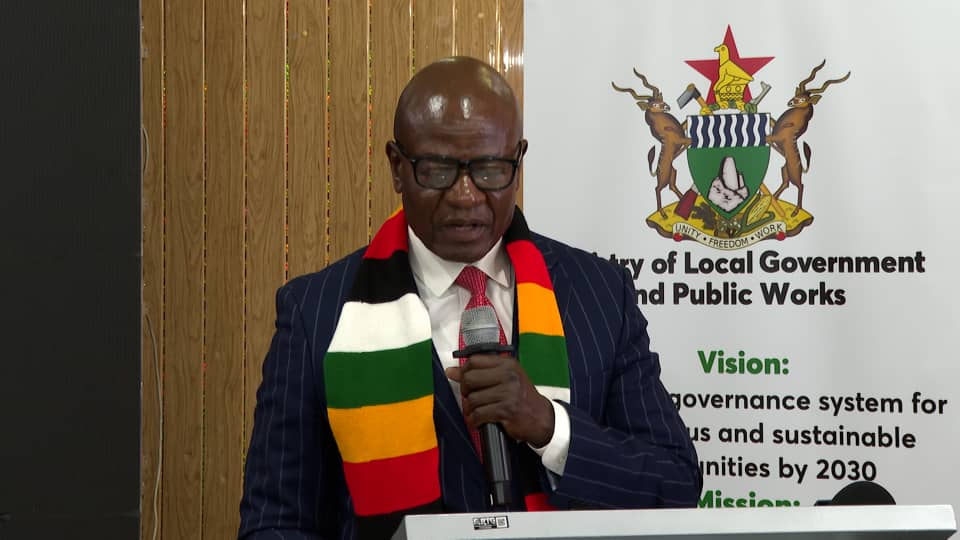
Officially opening the consultative process, Minister of Local Government and Public Works, Honourable Daniel Garwe, said the role of traditional leaders must be reflected more clearly in national legislation, particularly in areas of environmental protection, conflict resolution, and community mobilisation.
“Traditional Leaders occupy a pivotal role in conflict resolution, environmental stewardship, community mobilisation and preservation of Zimbabwean identity. The bill must reflect the full weight and dignity of these responsibilities and speak to the aspirations of traditional leaders,” Minister Garwe said.
The proposed Bill is expected to support national priorities, including devolution, rural transformation and climate resilience.
“We, as traditional leaders, play a key role in the preservation of our culture, so today’s deliberations are critical in ensuring that our heritage is safeguarded for future generations. Our voices must be central in shaping the Traditional Leaders Bill so that it reflects the realities we face in our communities,” president of the National Chiefs Council, Chief Mtshane Khumalo noted.
“We are gathered here to deliberate on the legislative framework for the drafting of the Traditional Leaders Bill. This process is crucial, as several provisions are now misaligned with the Constitution, including the critical issue of the selection and appointment of chiefs,” deputy president of the National Chiefs Council, Chief Fortune Charumbira stated.
“This is an eye-opener for us as traditional leaders,” Chief Gungumbane added.
The workshop brought together traditional leaders, the Attorney General’s Office, and officials from the ministry, who are expected to contribute through clear and responsive guidelines to the draft of the Bill that aligns tradition with modern governance.

