



Story by Oleen Ndori, Foreign Editor
RWANDA is marking 32 years since the 1994 genocide against the Tutsi, with Kigali calling on the global community to renew its commitment to preventing mass atrocities and ensuring such events are never repeated anywhere in the world.
The commemorations, known as Kwibuka, reflect on the more than 100 days of violence in 1994, which remain deeply embedded in Rwanda’s national consciousness and continue to shape the country’s development trajectory.
As preparations for the 32nd commemoration gather momentum, Rwanda’s top envoy to Zimbabwe, His Excellency James Musoni, said the anniversary serves as a solemn reminder to humanity to prevent similar atrocities.
“These commemorations serve as a solemn reminder to humanity to ensure that the genocide against the Tutsi is never forgotten and that such atrocities are never repeated anywhere in the world. Roots of the genocide can be traced to pre-colonial era policies that institutionalised division and discrimination, which were later enforced by successive post-independence regimes. Decades of systematic persecution, exclusion, and violence against the Tutsi were suddenly terminated. As we commemorate the 32nd Kwibuka, we are deeply concerned by the continuing insecurity in the Great Lakes region. The situation in the Great Lakes is a stark reminder of the consequences of inaction and echoes the failure of the international community in 1994,” he said.
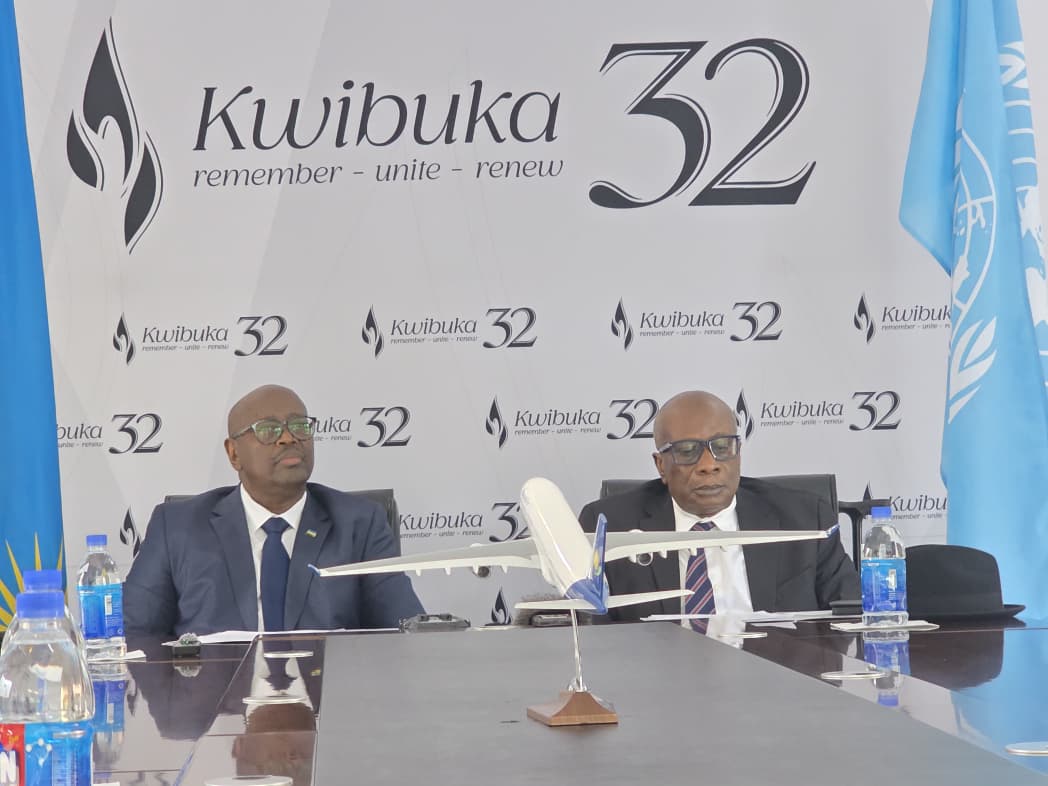
United Nations Resident Coordinator, His Excellency Edward Kallon, said Kwibuka 32, being commemorated under the theme: “Remember, Unite, Renew,” is an opportunity to unite against genocide globally.
“This serves as a permanent, active commitment to ensure that genocide never happens again, not just in Rwanda, but anywhere in the world. Also, how can we work together to empower the next generation? What message do we pass to youth to learn from the past, to act with responsibility and to prevent future problems? As we celebrate and commemorate Kwibuka 32, there are definitely a few calls to action that are very important for us.
“This has five key messages in terms of the call for action. One, invest in inclusive societies and strong, accountable institutions that protect fundamental rights. Two, combat hate speech, genocide ideology, and denial in all forms and spaces, including online, to safeguard human dignity. The third call to action is to promote dialogue, tolerance, and social cohesion across communities to strengthen the rights to equality and non-discrimination. Fourth, address the root causes of conflicts, exclusions and inequalities which undermine human rights. And five, ensure accountability and justice so that the perpetrators know they will not escape consequences and victims’ rights are upheld,” he said.
In his message, United Nations Secretary General, Antonio Guterres, noted that it is not enough to remember the dead, saying the world must learn from past failures and protect the living by rejecting hatred, inflammatory rhetoric and incitement to violence, investing in the social fabric to deepen community resilience, and strengthening institutions that help prevent mass atrocities.

