



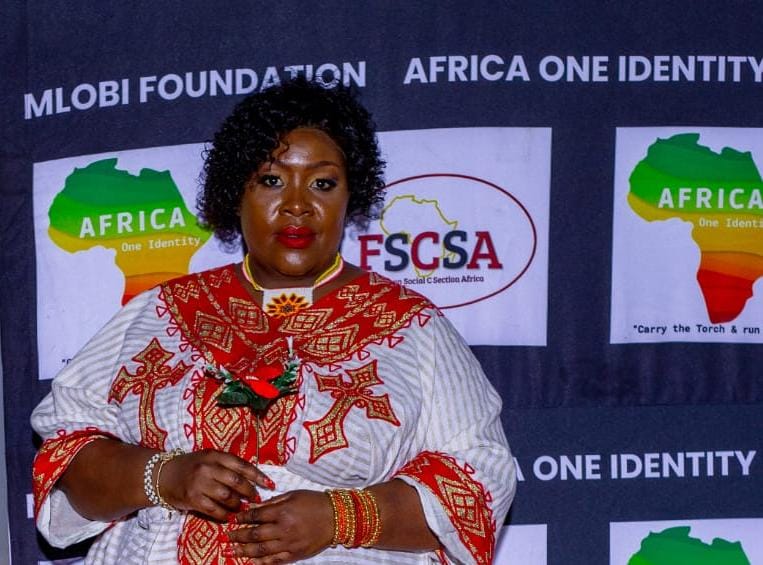
By Princess Kelelo PM Dhlamini
The introduction of Zimbabwe’s national fabric has sparked a cultural renaissance, bringing about a profound shift in how Zimbabweans perceive and celebrate their heritage. The vibrant colours and patterns of the fabric have become a symbol of national pride, transcending ethnic and regional boundaries.
In rural areas, the fabric has revitalised traditional attire, with community members incorporating it into their daily wear and special occasions. Elders are passing down stories and meanings behind the designs, ensuring the preservation of cultural knowledge and traditions.
In urban areas, the national fabric has inspired a fusion of modern and traditional styles. Young designers are incorporating the fabric into contemporary fashion, making it a staple in many Zimbabweans’ wardrobes.
The fabric has also become a powerful tool for social change. It has promoted inclusivity, diversity, and cultural identity, bridging gaps between generations and communities. The national fabric has become a unifying force, reminding Zimbabweans of their shared history and cultural heritage.
As the fabric continues to weave its way into Zimbabwean society, it serves as a reminder of the country’s rich cultural legacy and its potential for growth and development. By embracing their national fabric, Zimbabweans are reclaiming their cultural identity and forging a brighter future.
Fashion in Africa is more than just a means of self-expression; it is an intricate tapestry woven with the threads of history, spirituality, and economic vitality. The vibrant materials used in African fashion speak volumes about cultural identity, beliefs, and the socio-economic conditions of various communities. As online readers delve into these realms, it becomes essential to recognise how these threads connect the past to the present.
One of the most distinguishing features of African fashion is the use of locally sourced materials, which carry significant meanings. Fabrics like kente from Ghana, mud cloth from Mali, and the vibrant prints of Ankara from West Africa are not merely decorative; they are deeply imbued with spiritual significance and historical narratives. For instance, kente cloth is often worn during important ceremonies and is laden with symbols that express proverbs and moral lessons. Each pattern tells a story, celebrating the wearer’s identity or heritage. This connection between fabric and spirituality showcases how fashion serves as a medium through which individuals connect with their ancestry and communal beliefs.
The relationship between fashion and the economy in Africa is equally compelling. The textile sector is a vital part of many African economies, offering employment to millions in the production and distribution of fabrics and clothing. Artisans, tailors, and designers play a crucial role in invigorating local economies through traditional crafts and handmade garments. For instance, the resurgence of interest in African fabrics has spurred local markets, promoting entrepreneurship and innovation within communities. This economic contribution reinforces the notion that African fashion is not just about aesthetics; it is also about livelihoods and the empowerment of marginalised groups.
Moreover, the global fashion industry increasingly recognises the rich heritage of African textiles, leading to collaborations and partnerships that further elevate their worth. Many international designers are incorporating African prints into their collections, creating a fusion that honours traditional aesthetics while appealing to a broader audience. However, this trend also raises crucial questions about cultural appropriation and the need to respect the origins of these materials. It is paramount for stakeholders to approach African fashion with sensitivity and authenticity, ensuring that the narratives behind the fabrics are preserved and celebrated.
As Africans tread into the future, the blend of traditional craftsmanship with contemporary designs highlights a unique juxtaposition. Fashion schools across the continent are increasingly focusing on combining indigenous techniques with modern creativity, ensuring that the cultural significance of fabrics continues to thrive in a rapidly changing world. This evolution not only creates space for innovation but also reaffirms the spiritual connections that these materials hold within cultural contexts.
African fashion is a beautiful manifestation of the continent’s rich tapestry of culture, spirituality, and economic potential. By understanding the significance of materials and their relation to identity, readers can appreciate how much more lies beneath the surface of what we wear. As we continue to celebrate fashion that resonates with our roots, it is essential to recognise the stories woven into every thread, ensuring that they are honoured in our pursuit of modernity. With each garment, we are not just adorning ourselves; we are narrating the diverse tales of Africa, its spirit, its economy, and its identity.

