



Story by Peter Chivhima
The two-day United Nations International Conference on Sanctions, Business and Human Rights ended this Friday in Geneva, Switzerland with the international community expressing concern over the restrictive measures.
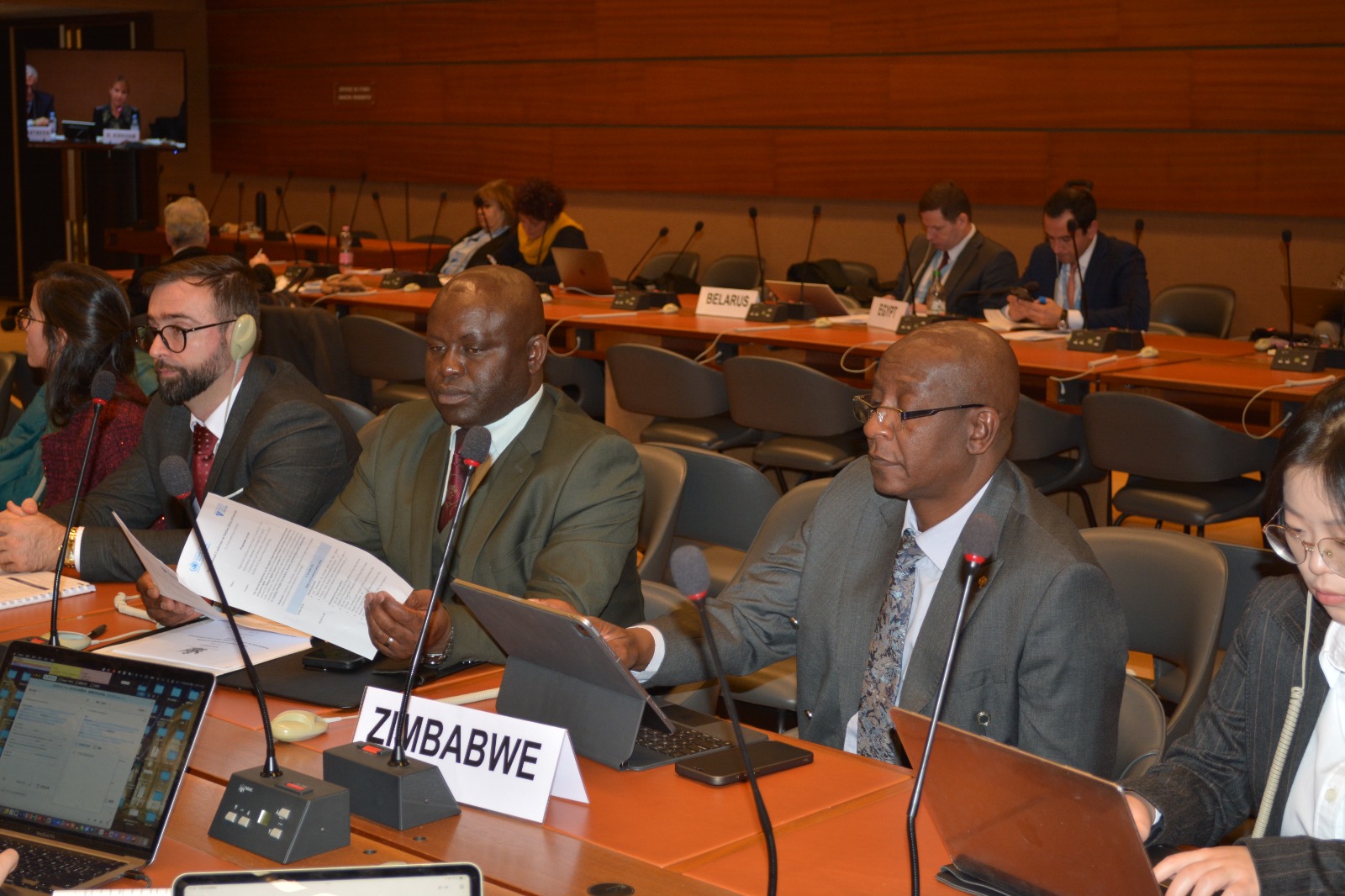
Outlining Zimbabwe’s position, academic Dr Simba Mavaza and Midlands State University Pro Vice Chancellor Infrastructure and Campus Development Dr Gift Manyatera highlighted the devastating effects of economic sanctions on Zimbabwe’s economy.
“So we are saying, as Zimbabwe, we are suffering not because we are evil, because we fought two evils, and we gave people back their end. So the language distribution is the most cause why we as inhabitants are under sanctions. Now, the so-called targeted sanctions, it’s another name of just fine witchcraft, just fine evil. One, you cannot say you are targeting the head of a bull with a gun and expect the bull to live. ,” Dr Mavaza said.
Said Dr Manyatera, “We have been under sanctions for over two decades, and these sanctions have very serious impacts on the enjoyment of fundamental rights of citizens in Zimbabwe. Secondly, this forum was also meant to interrogate the proposed United Nations Guiding Principles on sanctions, business and human rights. And these principles are very important in so far as they relate to the impact that unilateral cohesive measures have on such a country. We are such a country, and we have an interest to ensure that we give inputs into the content of the proposed UN Guiding Principles on sanctions, business and human rights. As you are aware, and from the presentation which was made by the Honourable Minister of Justice, these sanctions have made a negative impact on business activity in Zimbabwe, on the financial sector, on infrastructure development, on various facets of our economy. So we do have an interest in ensuring that we give our inputs on this global scourge of modern warfare, which is an intellectual place of nations.”
Zimbabwe’s Head of Delegation and the Minister of Justice, Legal and Parliamentary Affairs Honorable Ziyambi Ziyambi emphasised the urgency of the matter.
“”What we have also learnt from conferences, we have seen NGOs participating, sharing their experiences, how they work in countries that have unilateral measures. What we have picked is actually that humanitarian work is actually very difficult in countries that have unilateral measures in place, trying to access finances is difficult and also over the years, years, transferring those funds to the countries, is also difficult. So basically we are beginning to see that the NGOs are also giving their experiences to say that in doing their humanitarian work, they are facing the same problems, which means these unilateral measures are not targeted, because NGOs are saying our humanitarian work is also affected by the measures that they are putting in place.”
Co-organised by the Special Rapporteur on the Negative Impact of Unilateral Coercive Measures on the Enjoyment of Human Rights, Professor Alena Douhan, and a Group of Friends in Defense of the Charter of the United Nations, the conference united diverse stakeholders in addressing the complexities surrounding the illegal sanctions.

