



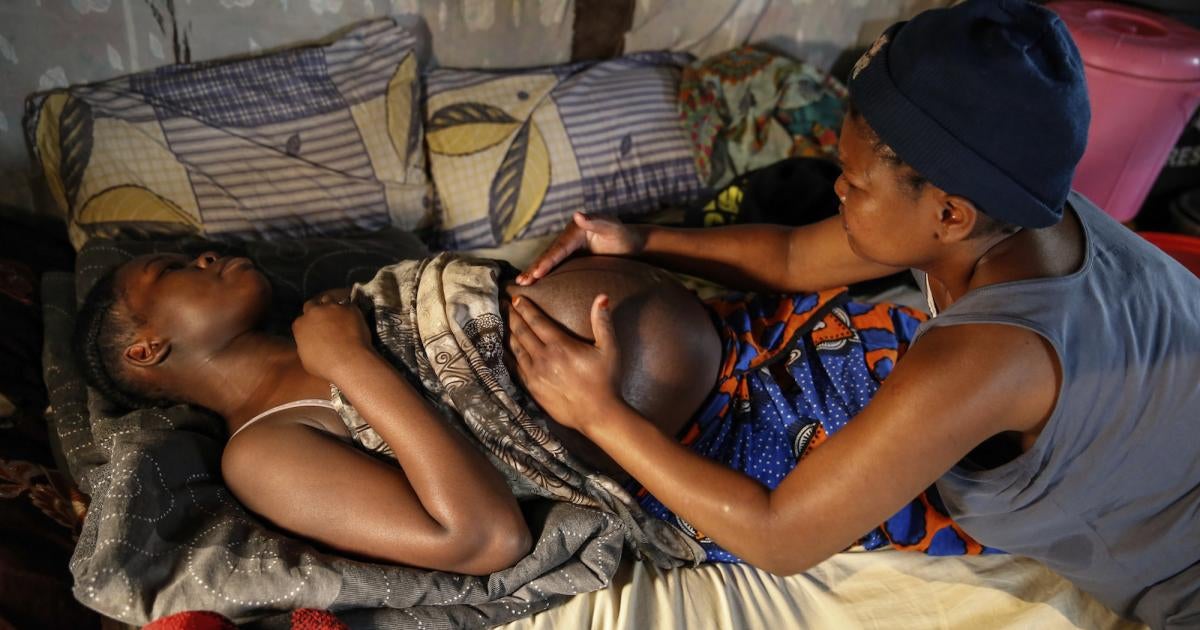
Article by Princess Kelelo Dlamini
In many cultures around the world, the wisdom and experience of traditional old women play a vital role in supporting women through the transformative journey of pregnancy, childbirth, and the postpartum period. From herbal remedies passed down through generations to the emotional and practical guidance provided by elder women, their presence is deeply valued for its unique contributions to maternal health.
This article explores the importance of incorporating the knowledge and practices of older women into modern maternity care, highlighting the benefits of cultural traditions, herbal remedies, and intergenerational support in promoting holistic well-being for mothers and their babies.
The Historical Significance of Elder Women in Maternity Care
In many cultures, traditional old women have played a significant role in supporting women through pregnancy and childbirth. Their experience and wisdom have been valued for centuries, providing comfort and guidance during this transformative time.
Traditional practices passed down through generations offer a holistic approach to pregnancy and birth. From herbal remedies to emotional support, these practices focus on nurturing both the physical and emotional well-being of expecting mothers. One of the invaluable aspects of involving traditional old women in pregnancy and childbirth is the passing down of wisdom and techniques. Through oral tradition and hands-on guidance, knowledge is preserved and shared, ensuring that age-old practices continue to benefit new generations of mothers.
Herbs have long been used in traditional medicine to support maternal health during pregnancy. From easing nausea to preparing the body for childbirth, herbs offer natural solutions that can complement modern healthcare practices. Traditional Herbal Remedies for Postpartum Recovery . After childbirth, traditional herbal remedies play a crucial role in supporting postpartum recovery. These remedies aid in healing, replenishing nutrients, and promoting overall well-being during the delicate postpartum period. Herbal Knowledge Sharing: Preserving Ancient Practices
The knowledge of herbal remedies for maternal health is a treasure trove passed down from elder women. By preserving and sharing this ancient wisdom, we can continue to benefit from the therapeutic properties of herbs in modern maternity care.
Elder women play a vital role in providing postpartum support to new mothers. Their nurturing presence, practical assistance, and emotional guidance offer a sense of security and comfort during the challenging postpartum period. Traditional postpartum practices focus on both the physical and emotional well-being of new mothers. From nutritious foods to relaxation techniques, these practices aim to promote healing and balance during this crucial time. By creating a supportive environment that includes elder women, new mothers can benefit from a wealth of experience and care. The presence of older women can enhance the postpartum experience, fostering a sense of community and empowerment. Integrating traditional practices into modern maternity care presents both challenges and benefits.
While cultural differences and varying beliefs need to be navigated, the incorporation of traditional wisdom can enrich and personalize the maternity care experience. Collaborative models of care that involve elder women in healthcare settings can bridge the gap between traditional and modern practices. By combining the expertise of healthcare professionals with the wisdom of elder women, a comprehensive approach to maternity care can be achieved Promoting cultural competence in maternity care involves respecting and integrating traditional practices that align with the beliefs and values of diverse communities. By acknowledging the importance of cultural wisdom, healthcare providers can enhance the quality of care and support for expecting mothers. In a world of rapid advancements and modern medical practices, there is immense value in honoring and preserving the traditional knowledge passed down through generations in maternal health. Cultural preservation in maternity care not only ensures the continuity of ancient wisdom but also fosters a deep sense of connection to one’s roots and heritage. Elder women play a crucial role as the guardians of traditional knowledge in pregnancy, childbirth, and postpartum care. Their years of experience and wisdom offer invaluable insights that complement modern medical practices.
Involving old women in pregnancy and childbirth has been shown to significantly reduce maternal and infant mortality rates. Traditional birth attendants, often older women with decades of experience, possess invaluable knowledge and skills that can help ensure safe deliveries and provide crucial support during the birthing process. By promoting the involvement of these experienced individuals in maternity care, we can improve the overall quality of healthcare services available to pregnant women and ultimately save lives. Additionally, the presence of older women can also offer emotional support and guidance to expectant mothers, creating a sense of community and fostering a more positive birthing experience.
Overall, the inclusion of older women in pregnancy and childbirth is a vital aspect of improving maternal and infant health outcomes worldwide. Empowering these wise women not only validates their expertise but also ensures that their knowledge is passed down to future generations.
Promoting intergenerational learning and collaboration in maternal health creates a harmonious blend of traditional wisdom and contemporary practices. By bridging the gap between old and new, we create a rich tapestry of knowledge that benefits both mothers and healthcare providers. Embracing the collective wisdom of different generations fosters a holistic approach to maternal health that is rooted in respect, understanding, and collaboration. As we reflect on the significance of traditional old women’s participation in pregnancy, childbirth, and postpartum care, it becomes clear that their role extends far beyond mere practices; it embodies a profound connection to culture, wisdom, and community. By honoring and preserving these valuable traditions, we not only enhance the quality of maternal care but also strengthen the bonds of generational knowledge and support. Let us continue to celebrate and empower the invaluable contributions of elder women in shaping the beautiful journey of motherhood for generations to come.
Maybe as the modern generation we need to consider and ask our elders these few questions, or research on:
How can traditional old women contribute to modern maternity care?
What are some examples of herbal remedies used by elder women in pregnancy and postpartum recovery?
How can healthcare professionals collaborate with elder women to incorporate traditional practices into maternal healthcare settings?
What are the benefits of intergenerational learning in promoting holistic maternal health?

