



Story by Courage Bushe
RESIDENTS of Zvishavane have commended the Second Republic’s adoption of public-private partnerships (PPPs), saying the approach is expanding access to quality education in the mining town.
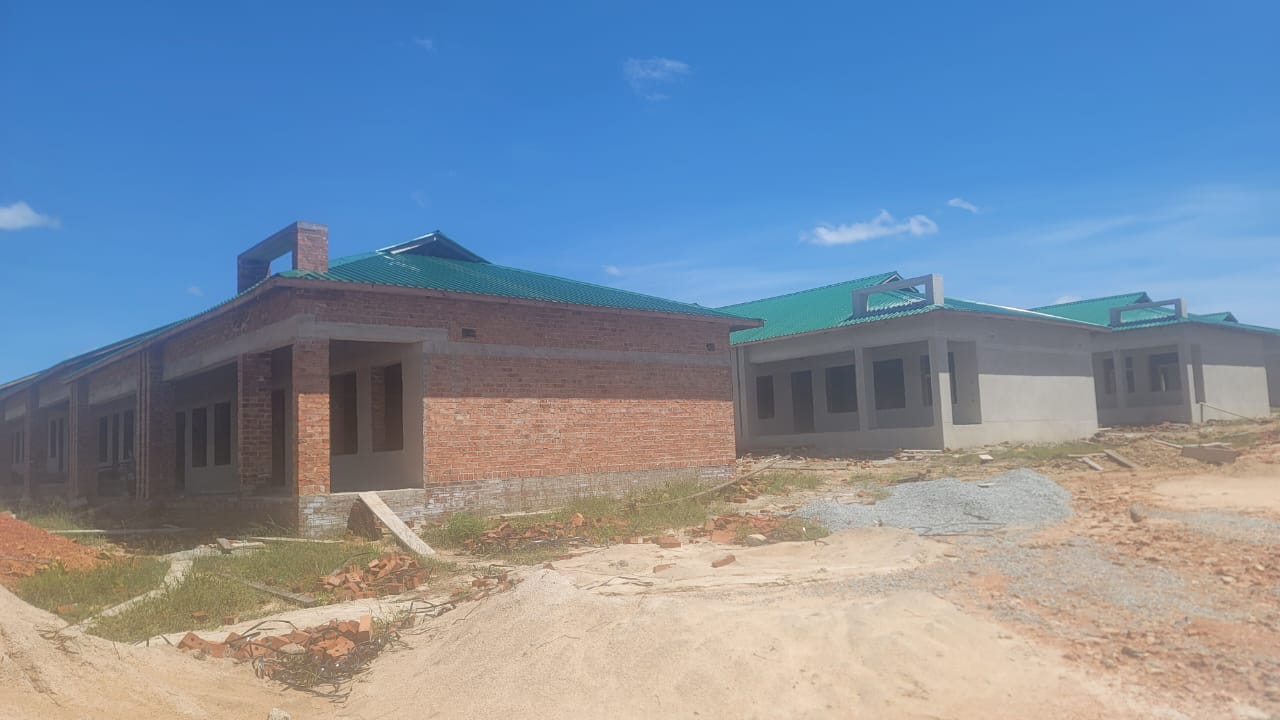
The model has attracted increased private sector participation, with new schools and colleges emerging to complement government efforts and ease pressure on public institutions.
The push for universal education in Africa dates back to initiatives spearheaded by the Organisation of African Unity in the 1960s, which laid the foundation for expanded access across the continent. Zimbabwe has since aligned its policies with these continental goals.
Community members say the current policy direction is already yielding tangible benefits.
“This is a good initiative because we have seen quality schools rising, and it gives us hope as parents that our children are in for a better future. If we continue like this for the next three years, the standards of education in this country will be way ahead in Africa,” a parent said.
“The rise of colleges owned by individuals and companies is a blessing in disguise for our community, because this will help in the teacher-child ratio aspect, a component which is key towards achieving quality education,” a resident said.
“In the past, we were faced with a lot of challenges, including learners travelling long distances to access nearby public schools. This complements the government’s vision of making schools closer to the people,” a guardian said.
Private sector players say their investments are aligned with national development goals and aimed at strengthening the education system.
“The development of the education sector can only be complete if private players and individuals complement government efforts. A school is the centre of progress, and when it grows, the whole area grows with it. We are here heeding government’s call of Nyika Inovakwa Nevene Vayo,” said Mr Honest Vangwa, Director of Milestone Junior College.
“As private players in the education sector, our goal is to remain committed to transforming Zimbabwe’s education sector through sustained investment in infrastructure, teacher development, and innovation. We want to continue to be aligned with global standards while advancing access to quality, inclusive, and equitable learning,” said Mr Piri Mukono, Director of Marians Group of Schools.
Government says the PPP approach is part of broader efforts to modernise the education system, with focus areas including infrastructure development, teacher training, digital learning, and strengthening science, technology and innovation.

