



Story by Kenias Chivuzhe
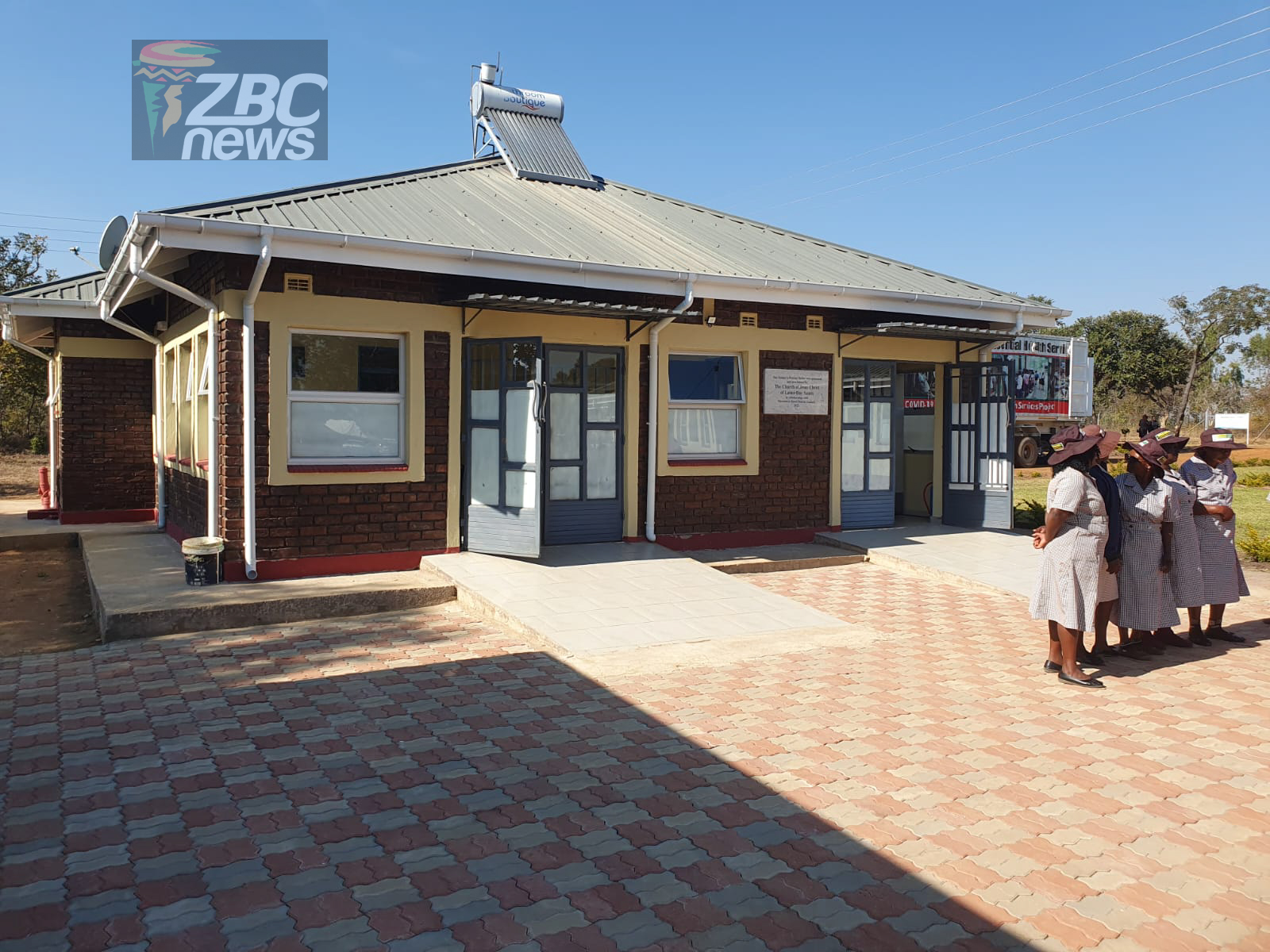
GOVERNMENT has commissioned the Mandoga Clinic and a fully equipped mobile health unit in Marondera Rural Ward 2, expanding access to primary healthcare services for more than 10 000 people in surrounding communities.
The new facility and mobile clinic are expected to improve healthcare delivery for expectant mothers, children, the elderly and residents in hard-to-reach areas, ending years of long journeys to the nearest health centre.
For residents such as Mrs Mavis Karikega, the development is expected to help prevent avoidable maternal deaths.
“My daughter-in-law died after arriving late at Marondera Provincial Hospital. The baby survived and I am the one taking care of the child. I am happy because this clinic will help prevent such tragedies. I have several relatives who are pregnant and they will now access healthcare services closer to home.”
Village Health Worker Ms Kumbirai Antonio said the mobile clinic would extend healthcare services to remote communities.
“We are excited that a modern mobile clinic is now available. It will ensure that healthcare services reach remote areas, allowing people to access treatment much closer to where they live.”
Local leaders said the facility would significantly improve access to quality healthcare.
Marondera Rural Ward 2 Councillor, Mr Taurai Chikukwa said long distances to health facilities had contributed to maternal deaths in the area.
“Many women were dying during childbirth because they had to travel long distances to the nearest health facility. This initiative was started by the local community before development partners came on board to support it.”
Marondera Rural District Council Chairperson, Councillor Jeremiah Gwanzura said the clinic would improve residents’ quality of life, while Marondera East legislator, Honourable Vimbayi Mutokonyi, said it would help reduce maternal and infant mortality by bringing primary healthcare services closer to communities.
Deputy Minister of Health and Child Care, Honourable Sleiman Kwidini said the project forms part of Government’s broader strategy to strengthen healthcare delivery nationwide.
“This clinic was constructed through the combined efforts of the local community, the church, the Rural District Council and other stakeholders. It is a major step towards reducing maternal and neonatal mortality. The facility will serve more than 10 000 people who previously travelled more than 20 kilometres to access healthcare services.”
On the mobile health programme, he added:
“We have also commissioned a mobile clinic. Currently, there are 10 mobile clinic vans, one in each province, and our goal is to ensure that every district has one. These mobile clinics are equipped with delivery rooms, X-ray facilities and ultrasound scanners to support our goal of achieving universal health coverage by 2030.”
Honourable Kwidini said Government is also investing in health infrastructure using revenue from the sugar tax.
“Revenue from the sugar tax is being used to procure cancer treatment equipment and decentralise cancer services to district hospitals. We have also decentralised theatre equipment, ultrasound scanners and X-ray machines.”
The commissioning of Mandoga Clinic and the mobile health unit is expected to improve access to essential health services, strengthen maternal and child healthcare, and enhance primary healthcare delivery in rural communities.

