



Story by Wellington Makonese
THE government has intensified efforts to strengthen national data systems, with the Zimbabwe Multiple Indicator Cluster Survey (MICS) now being conducted in formerly marginalised areas such as Gandanzara in Makoni District, Manicaland Province.
Tucked deep within Makoni District, nearly 100 kilometres from Nyanga and among the most difficult places to access by road, Gandanzara is a remote, mountainous farming community.
The once-isolated village has become part of a national information-gathering initiative shaping Zimbabwe’s development priorities.
A mother of four, Mazvita Bhasiketi, who relies on farming for her livelihood, is among the respondents participating in the Zimbabwe Multiple Indicator Cluster Survey (ZIM MICS), which seeks to assess issues such as water safety, health, and the distances children travel to access social services.
“This survey is very important in our area. It will shorten the distances we travel to seek testing services. Our water is being checked, our children’s distances will now be known, and that will guide what comes next,” she said.
Reaching the village requires navigating steep mountains and rough tracks, but survey teams have made the journey in a deliberate effort to ensure that no community is too remote to be counted.
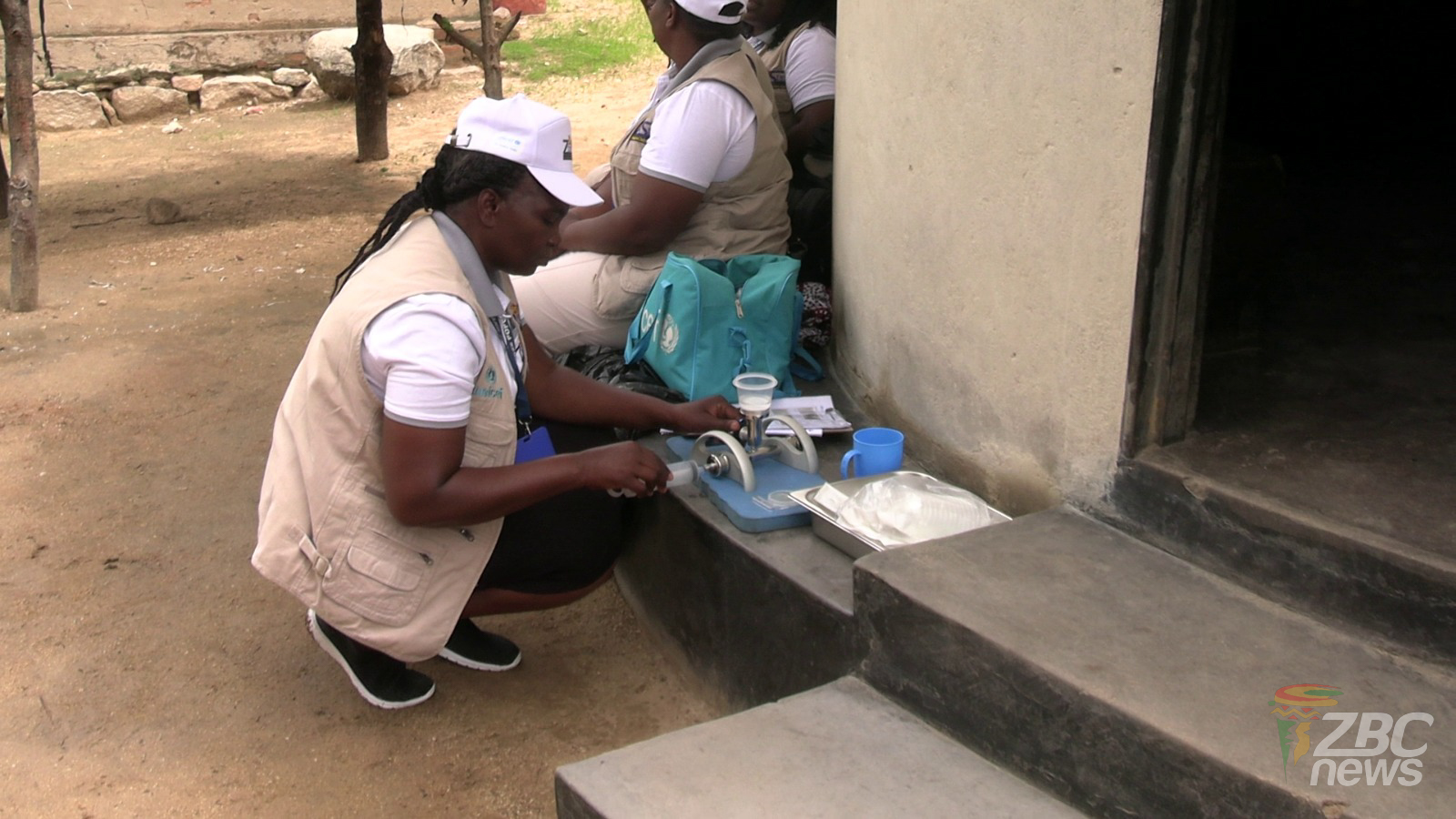
In addition to interviews, technical water tests are also being conducted.
“We do household water tests and collect source samples. The main goal is to map the way forward in terms of interventions, especially regarding contamination like E. coli,” explained enumerator Agnes Saunyama.
The survey, implemented by ZIMSTAT in partnership with UNICEF Zimbabwe, forms part of efforts to strengthen national evidence systems under the National Development Strategy Two (NDS2). The deliberate focus on hard-to-reach areas aligns with government’s commitment to inclusivity.
“We are trying to reach every corner of the country in line with government’s thrust of leaving no one and no place behind. The MICS survey will assist government to craft evidence-based policies under NDS2. The devolution agenda also depends on this data, as it guides authorities on what to allocate to each ward, district or province,” said UNICEF Chief of Social Policy, Mr Pepukai Chiwore.
ZIMSTAT emphasises that the significance of the survey lies in its ability to influence policy formulation and resource allocation.
“We had an indicator on child marriages which has already informed policymakers. Our sampling targets households randomly, including hard-to-reach areas. This is important in understanding needs, development priorities and even safety issues in those communities,” explained ZIMSTAT field officer Dr Godfrey Chagwiza.
From the mountain slopes of Gandanzara to high-density suburbs in major cities, Zimbabwe’s fourth MICS survey is covering nearly 11 000 households and 400 enumeration areas nationwide. The data gathered will help shape national priorities across key sectors such as health, education, water, sanitation, nutrition and child protection.
Analysts say the survey reflects government’s commitment alongside its development partners, to ensuring that national planning is guided by accurate, inclusive and representative data.

