



Story by Oleen Ndori, Foreign Editor
THE 46th COMESA Council of Ministers has reiterated the need to boost economic activity, in line with resolutions made at the October Summit of Heads of State and Government held in Nairobi, Kenya.
At that summit, regional leaders urged member states to intensify efforts in implementing key integration programmes, including the COMESA-EAC-SADC Tripartite Free Trade Area and the African Continental Free Trade Area (AfCFTA).
Building on this momentum, the 46th COMESA Council of Ministers’ Meeting underway in Lusaka, Zambia, is deliberating on what has been achieved while charting an economic growth plan for the COMESA bloc.
COMESA Secretary General, Ms Chileshe Mpundu Kapwepwe, expressed commitment to accelerating economic integration and structural transformation towards inclusive growth and development.
“This council convenes at a moment of renewed determination to consolidate our common market and accelerate implementation of our integration agenda. Under the guidance of this Council and the authority, the Secretariat remains firmly committed to executing its treaty-mandated obligation, including coordinating regional programs, monitoring implementation of decisions, and supporting member states in driving sustainable economic and social progress through cooperation and integration.
“In response to these realities and alignment with continental integration agendas such as the African Union Agenda 2063 and the United Nations Sustainable Development Goals, our commitment to accelerating economic integration and structural transformation is anchored within a new strategic plan for 2026-2030, buoyed by the 2025 Summit theme, leveraging digitalization to deepen regional value chains for sustainable and inclusive growth. The plan emphasizes consolidating integration of markets whilst leveraging on frontier technology to enhance productivity, connectivity, and promote equitable and inclusive growth and development,” she said.
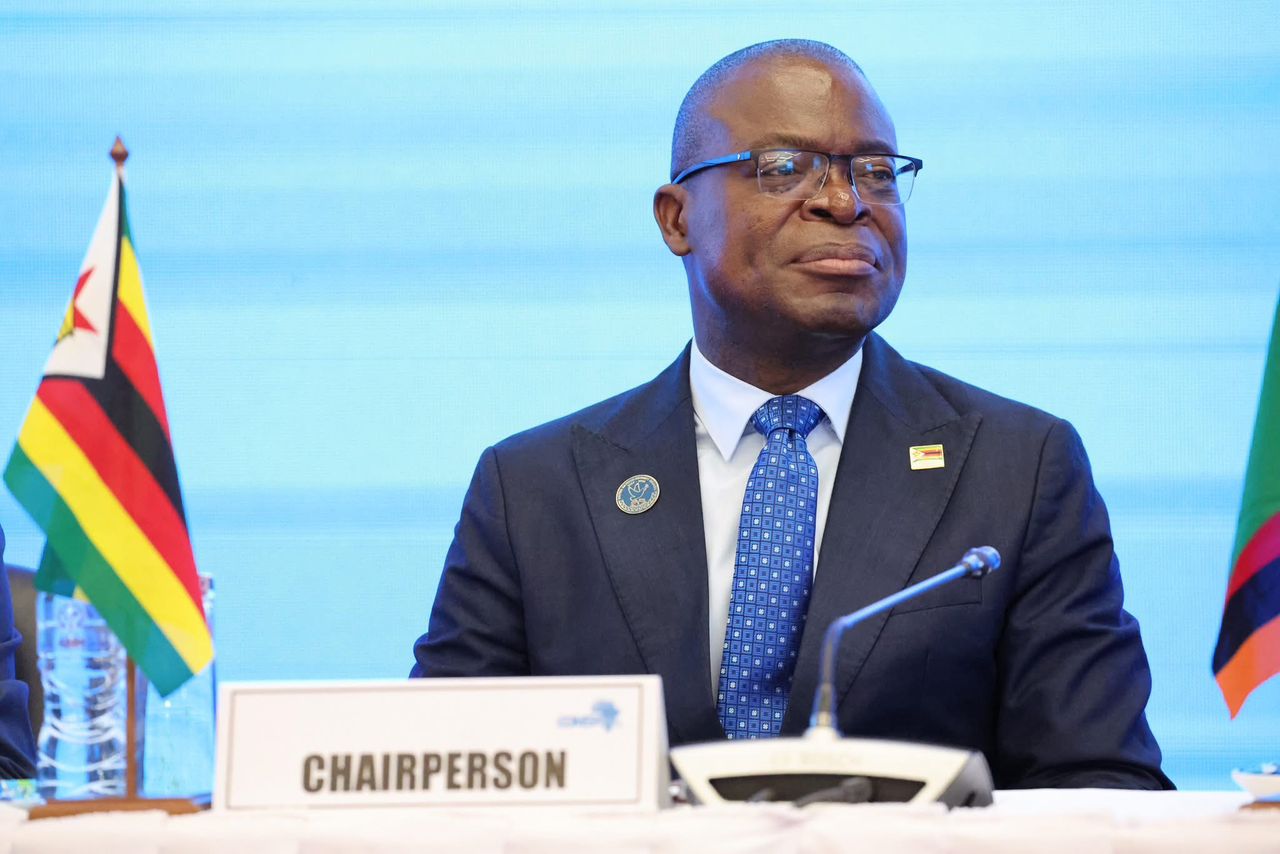
The Minister of Foreign Affairs and International Trade who is the incoming chair of COMESA Ministerial Council, Professor Amon Murwira, called on member states to remain committed to building a stronger, more competitive and economically vibrant commercial region.
“The 46th meeting of the Council of Ministers is being convened in Lusaka at a moment of renewed opportunity for our region, an opportunity to consolidate the gains of our integration agenda, to deepen inter-commerce trade, to strengthen industrialization, and to position our community as a credible and competitive actor within the African continental free trade area and the wider global economy.
“This meeting reflects our collective determination to advance in agenda, firmly anchored in the principles of solidarity, collective self-reliance, as enshrined in Article 2 of the COMESA Treaty. COMESA is and must remain a member state-driven organization, and we must make sure that it is that. It is upon this foundation of self-reliance and shared responsibility that we must seize the opportunity to reaffirm our collective commitment to building a stronger, more competitive, and economically vibrant commercial region. The gains we have achieved must be safeguarded and expanded,” he said.
Zambian Vice President, Dr Mutale Nalumango, represented by Defence Minister, Honourable Ambrose Lwiji Lufuma, rallied nations to find ways of increasing trade, which as of 2024 stood at US$14 billion.
“Intra COMESA total export trade has risen from US$2.3 billion in the year 2000 to US$14 billion in the year 2024. This has been made possible in part by trade liberalization and facilitation reforms by member states. Zambia on its part, has acted decisively implementing coordinated border management solutions such as Chirundu and Mwami Mchinji one-stop border posts, reducing transit times by up to 30 % along vital trade corridors. Our policy alignment has enabled 16 member states to fully liberalise tariffs while advancing implementation of crucial instruments like the Regional Customs Transit Guarantee and rules of origin.
“The simplified trade regime successfully operationalised at Zambia’s borders with Malawi and Zimbabwe has empowered at least 35 000 small-scale traders annually, most of whom are women and youth, hence driving grassroots inclusion in formal regional commerce. Further, Digital transformation is altering the development horizon for our region. Across COMESA, mobile telephone penetration now exceeds 90 %. However, internet access in rural regions remains below 40 %, which means we have to work on this activity. Zambia has experienced rapid digital growth.
“Today, we are counting over 6.5 million internet users with a digital penetration rate of 31.2 %, while mobile cellular connections reach is pegged at 78.7 % of the population. In particular, the rollout of the COMESA Digital Retail Payment platform between Zambia and Malawi marks a milestone in securing regional payment solutions, benefiting the micro, small and medium enterprises and enhancing cross-border trade,” Dr Nalumango said.
Zimbabwe is set to host and take over as chair of COMESA in 2026, with President Emmerson Mnangagwa stating during the October meeting of Heads of State and Government that the country has benefited through stronger value chains, accelerated industrialisation and improved infrastructure connectivity as a member of the economic body.

