



Story by Fungai Jachi
GOVERNMENT is leveraging agricultural field days to accelerate rural industrialisation, with farmers in Masvingo Province being encouraged to adopt modern, sustainable farming practices that boost production and value addition.
The initiative is aimed at positioning farmers as key drivers of rural economic transformation, while strengthening household and national food security.
This emerged during a field day held at Rushwaya Farm, where farmers from across the district gathered to exchange knowledge, learn new techniques and explore innovative approaches to crop and livestock production.
Participants said field days are proving to be invaluable learning platforms that go beyond recognising farming excellence.
Farmers highlighted lessons in livestock management, cattle dipping, tick control, soil management and crop husbandry, all of which are essential for improving productivity and profitability.
Rushwaya Farm, a model of integrated farming, has five hectares under maize and is expecting yields of between eight and 14 tonnes per hectare.
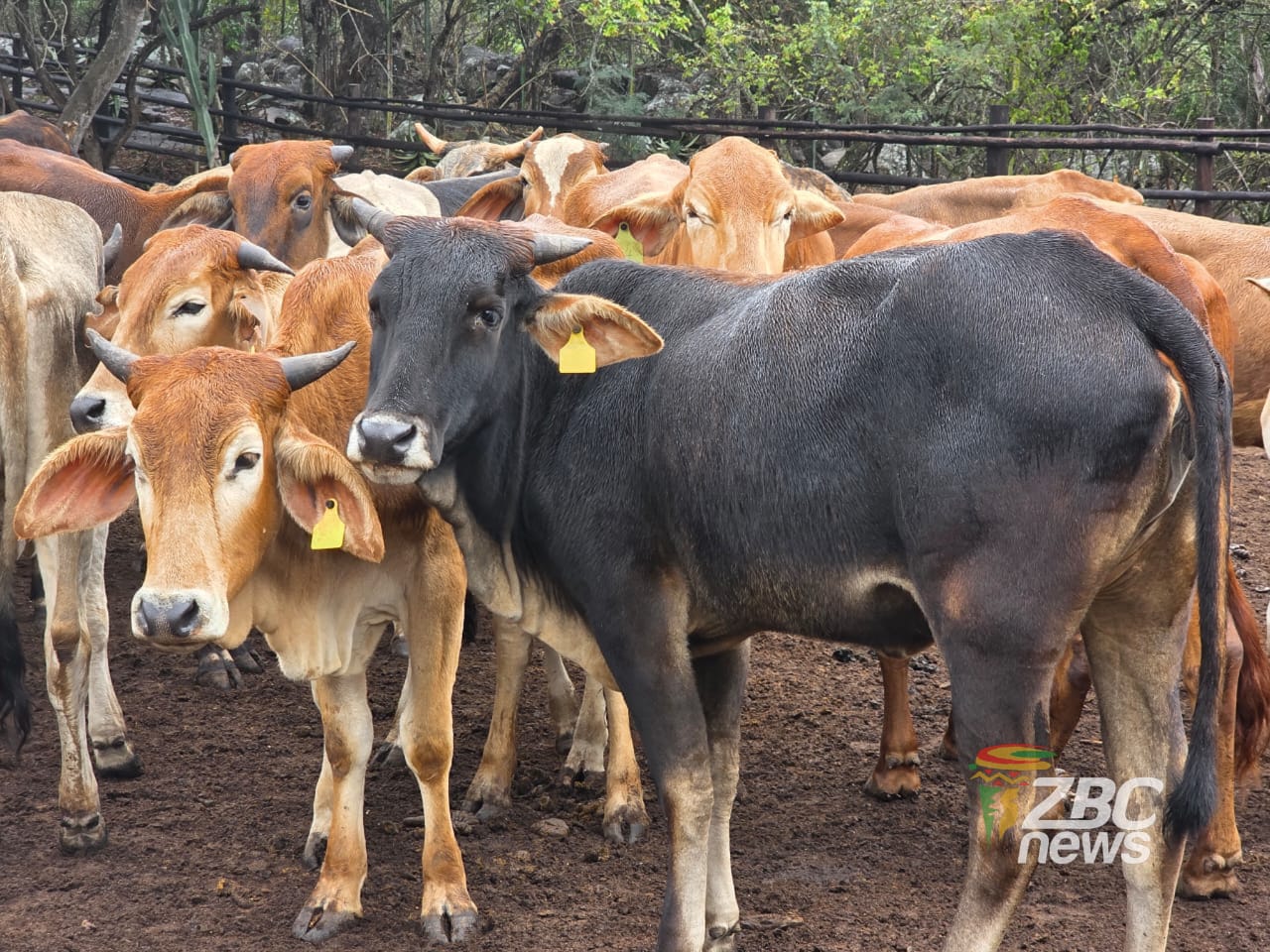
The farm also boasts a combined herd of about 380 cattle, goats and sheep.
Farm manager Mr Mohamed Gobvu said strategic livestock management has been central to the farm’s success.
“We keep our heifers separate from the indigenous cattle to maintain pure breeds. We also conduct regular dipping to prevent disease and engage in cattle fattening for meat production, supplying the local market,” he said.
Mrs Rina Rushwaya said the family is now focusing on expansion and value addition.
“We are expecting strong maize yields after working closely with our Agritex extension officer. Our next step is to venture into dairy production and the manufacture of milk products for both local and, eventually, export markets,” she said.
Masvingo Minister of State for Provincial Affairs and Devolution, Honourable Ezra Chadzamira, represented by Director of Coordination Mrs Rosemary Chingwe, said agriculture remains central to the province’s ambition of becoming an US$8 billion economy by 2030.
“What we have seen here is encouraging. These field days are shaping our farmers by giving them practical knowledge to improve productivity and contribute to food security at both household and national levels,” she said.
The farm is also reducing operational costs by producing its own livestock feed using locally available materials, including maize and wheat straw.
By showcasing successful farming models like Rushwaya Farm, field days are helping to inspire innovation, promote rural enterprise and advance Zimbabwe’s broader rural industrialisation agenda.

