



Story by Tichaona Kurewa
THE country’s vision to end AIDS by 2030 is on track, with the HIV prevalence rate in Lupane District of Matabeleland North Province decreasing to around 15 percent this year, down from 18 percent last year.
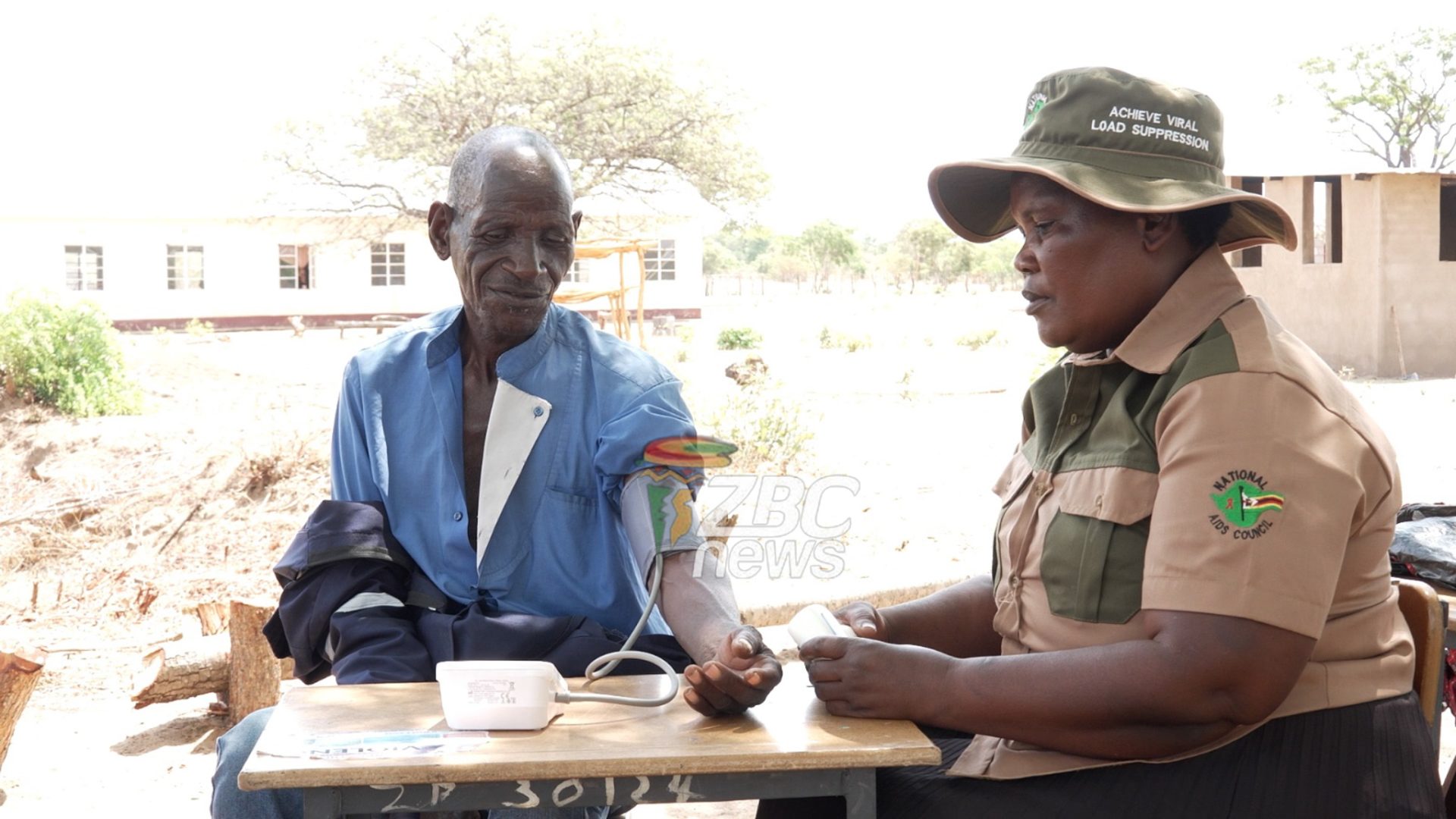
According to the National AIDS Council (NAC), the reduction is a testament to the effectiveness of various interventions by all stakeholders involved.
A prevalence rate is the proportion of a population that has a specific characteristic, like a disease, at a given time.
“Lupane District has seen a drop in HIV prevalence from 18.54 percent in 2024 to 15.5 percent this year. This is mainly due to interventions we and other partners are implementing, such as awareness programmes, such as Male Engagement and Sister to Sister Programmes, where young girls teach other topics like safe sex and self-help projects,” NAC’s Lupane District Programme Assistant, Ms Thandolwenkosi Vela noted.
Lupane Villagers from St Paul’s Business Centre and Zamani Villages shared some of the interventions on show.
“We gather as girls and adolescence to teach on proper condom use and negotiating for safer sex. We also have self-help projects such as internal, saving and lending projects (Mikando), hairdressing and others. This gives us financial independence and we cannot be driven into risky behaviour to make ends meet.
“We teach each other to stick to one partner as well as not to engage in sexual intercourse with young girls.
“We teach others as men to get tested each time and to support their wives during pregnancy and other critical moments. We also encourage each other to use condoms correctly,” villagers said.
The NAC, however, bemoaned the increase in sexually transmitted infections (STIs) cases and pregnancies among girls in the 15–19 age group in the district.
This year to date, Lupane recorded 69 cases of teenage pregnancies, up from 66 the previous year.
On the other hand, STI cases have also increased from 24 in 2024 to 50 this year.
Establishment of low-cost boarding facilities at local schools will help tame this trend, threatening the gains in HIV prevention and management.
Zimbabwe is targeting to end AIDS by 2030.

