



Story by Providence Maraneli
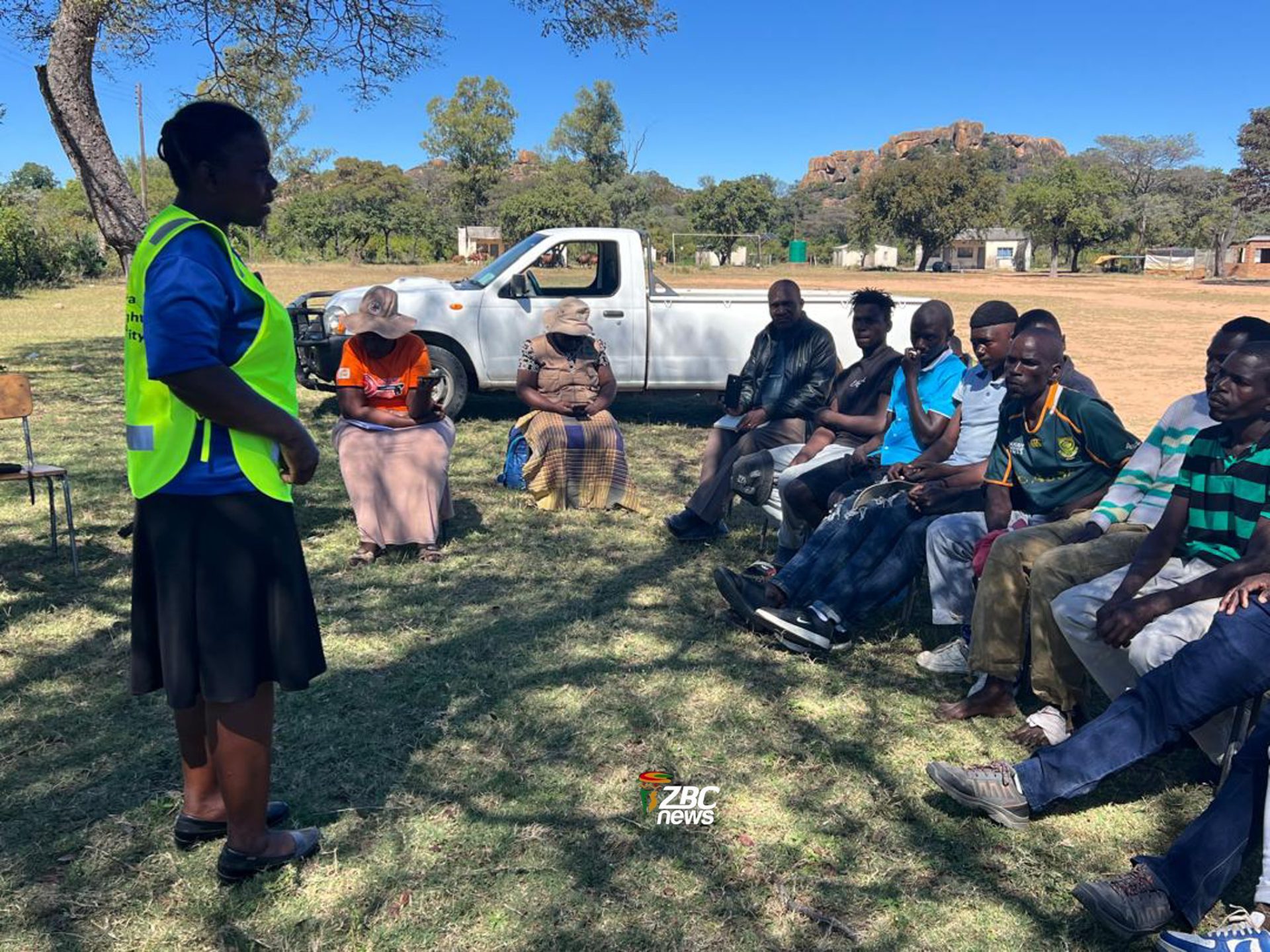
BENEATH the shade of a dusty acacia tree in Ratanyana, where the districts of Matobo and Gwanda stretch into endless plains, a quiet revolution is unfolding.
There are no banners here. No television cameras. No applause.
Only a middle-aged woman with a notebook in one hand and a pen in the other, surrounded by a circle of teenage girls whose futures hang delicately between hope and hardship.
Beyond them, the sounds of illegal gold mining drift through the dry afternoon air, the metallic pounding of survival in a region where poverty often seduces young girls into dangerous relationships with men chasing gold beneath the earth.
But seated under the tree, another kind of mining is taking place: the excavation of fear, silence and vulnerability.
“Being pregnant or having HIV is now out of choice, not because they are desperate,” said Ratanyana sister-to-sister mentor, Ms Lomaqiliza Dube. “There is a significant change in the way these girls now behave; they are empowered.”
Her words land softly, but their meaning carries the weight of lives reclaimed.
For years, Matabeleland South has wrestled with the long shadow of HIV and AIDS. Entire communities have buried loved ones, watched households crumble and seen generations grow up in the aftermath of loss. Yet in villages often forgotten by national attention, community volunteers have quietly become the backbone of a remarkable turnaround.
They are not doctors in white coats or politicians at podiums. They are ordinary villagers armed with conversations, trust and persistence.
In Simpane, another volunteer, Ms Khethiwe Sibanda, spends her days speaking to men whose lives have long been shaped by the harsh rhythms of illegal mining.
The culture surrounding the gold rush, fast money, alcohol and risky sexual behaviour has often fuelled the spread of HIV. But slowly, attitudes are beginning to shift.
“We teach these people on the need to change their behaviour,” Ms Sibanda said. “They have transformed themselves from the behaviour associated with illegal miners.”
Transformation here does not arrive dramatically. It comes quietly, like dawn breaking over the Matobo hills, slowly, steadily, almost unnoticed until the darkness begins to retreat.
In Silozwi, young mother Ms Rachel Fuzani moves from homestead to homestead, persuading men to seek medical help, testing and counselling in communities where many still view healthcare through the lens of fear and stigma.
“I have made inroads in convincing a lot of males here in Silozwi to seek healthcare services,” she said.
The victories may seem small in isolation: a man agreeing to get tested, a girl deciding to stay in school, a family learning how to protect itself. But together, they are reshaping communities once battered by the epidemic.
Statistics now tell the story these volunteers have been writing quietly for years.
Matobo District AIDS Coordinator, Mr Lawrence Ncube said HIV prevalence in the district has dropped sharply from 17.3 percent last year to 13.8 percent, while incidence rates declined from 3.8 percent to 0.18 percent.
“We attribute these gains not only to NAC activities but also to the stakeholders we work with,” he said.
Behind those figures are countless footsteps walked on dusty roads, difficult conversations held beneath trees and the emotional labour of people determined to save their communities from a disease that once seemed unstoppable.
Yet even amid the progress, caution lingers. HIV has taught these communities that victories can be fragile. Stakeholders now speak of the urgent need for sustainable programmes capable of protecting the gains already made.
As Zimbabwe pushes towards the global target of ending AIDS by 2030, the battle may well be won not in conference rooms or policy documents, but in places like Ratanyana, under trees, in village gatherings and through the unwavering commitment of ordinary people performing extraordinary acts of service.

