



Story by Tichaona Kurewa
VILLAGE Business Village Units (VBUs) being established in communities near national parks are providing alternative livelihoods to households, reducing the illegal harvesting and over-exploitation of natural resources.
In Hwange District, Matabeleland North Province, the private sector is joining the government’s concerted efforts to establish at least one VBU in each village.
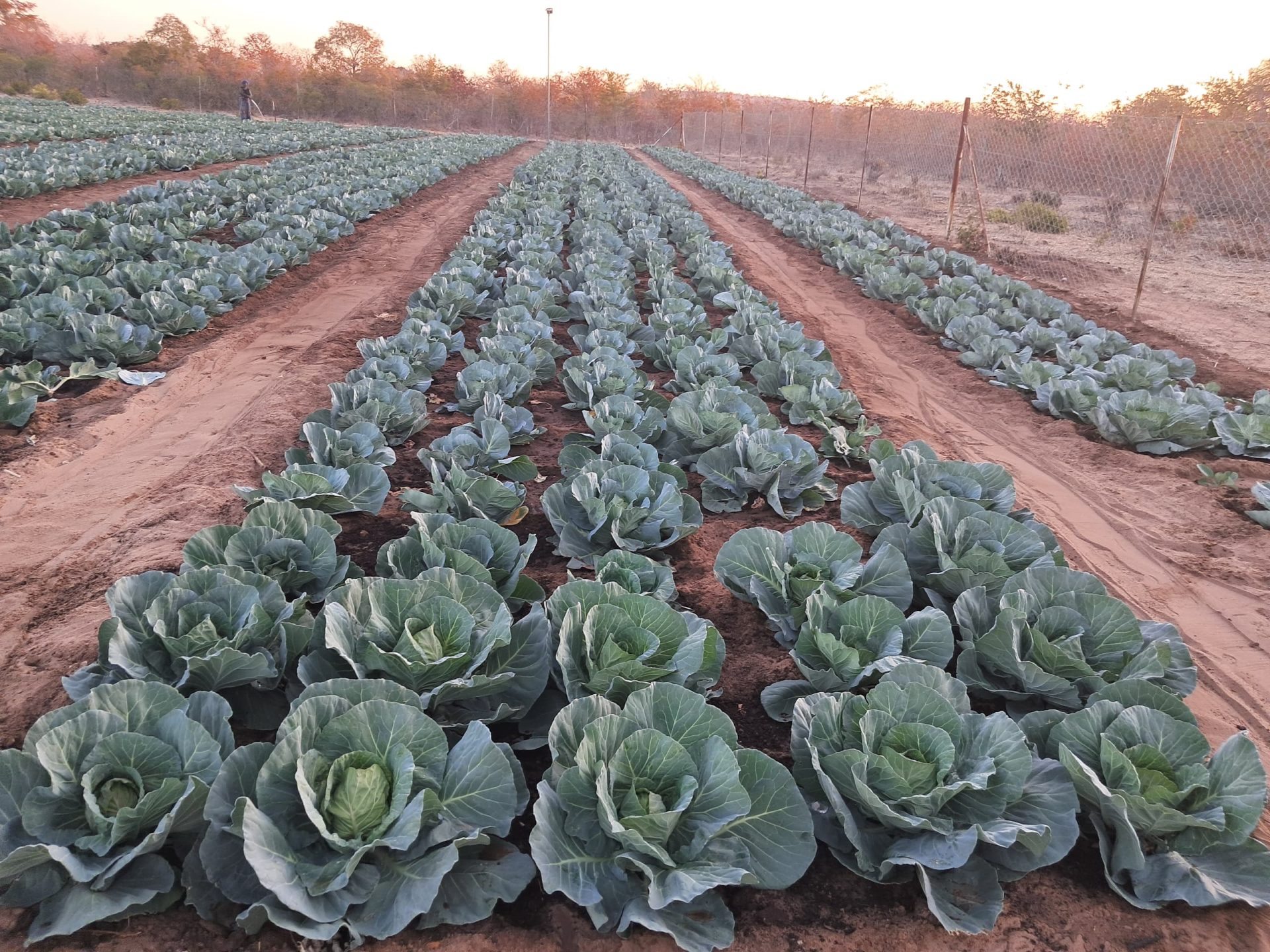
The latest success story is a horticulture garden in Kasibi Village, which now supports over 60 households.
This project is the result of collaboration between the community, Hwange Rural District Council, the International Fund for Animal Welfare (IFAW), and the Zimbabwe Parks and Wildlife Management Authority (Zimparks).
The community members have shared their testimonies, highlighting the profound impact of the project, including reduced poaching and illegal logging for charcoal production.
“Before we started this garden, life was tough in our community. We had poor yields in our fields, and wild animals kept invading our crops. We thank the government, our local leadership, and IFAW for this garden. Our lives have changed. Now, we grow a variety of produce that we sell to sustain ourselves and even pay school fees for our children.
“We are deeply grateful for this garden. It has been a lifeline for Kasibi in many ways. We have found jobs that sustain our families, and now we have food security. For years, we have struggled with droughts that have devastated our crops, but this garden has brought us together, even keeping the youth away from drugs and substance abuse. They are always occupied here, which has been a huge benefit.
“As youths, this garden project has been a relief. It keeps us away from bad influences like drugs and crime. Now we have something positive to focus on every day, transforming our lives. Through the garden, we not only feed our families but also buy other essentials after selling our produce,” said beneficiaries.
Local leadership and project partners are equally optimistic about the transformative nature of the garden initiative.
“We have around 200,000 onion plants. We expect to make upwards of US$10 000, provided we secure a reliable market. As a group, we aim to expand production, find steady markets, and diversify our crops to reach larger markets beyond the province,” said Kasibi chairperson, Pascah Tshuma.
“As the headman of Kasibi, I am very grateful for this garden. It has significantly reduced poaching activities, as young people now have work and a sense of purpose. Additionally, there has been a notable decline in drug and substance abuse in our community. This garden has truly transformed us,” said Mr. Alois Sithole.
“Kasibi is a community that borders a national park, and it faces significant challenges like human-wildlife conflict and poaching. However, through strong partnerships, we’ve been able to provide alternative livelihoods. This garden not only improves food security but also enhances the health and economic well-being of the community. By ensuring year-round water access, we’re promoting climate-smart agriculture-an essential practice in this dry region,” explained Zimbabwe IFAW Country Director, Ms Alleta Nyahuye.
Government is targeting to establish 35 000 villages across the country in line with the rural industrialisation agenda.

