



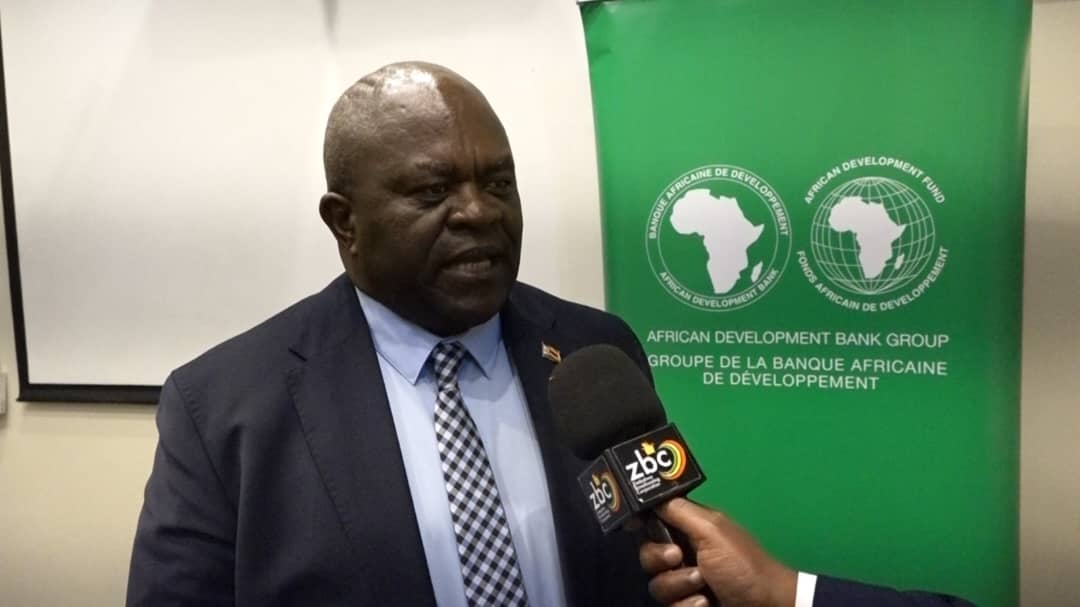
Story by Stanley James, Business Editor
GOVERNMENT’S debt restructuring programme has gained fresh momentum following the launch of the four-year Zimbabwe Arrears Clearance Dialogue Enhancement Project (ZACDEP), aimed at supporting the country’s arrears clearance and debt resolution process.
Launched in Harare on Monday, the project seeks to consolidate progress made in resolving debts owed to domestic, regional and international creditors while supporting reforms designed to restore macroeconomic stability.
The African Development Bank (AfDB), one of the key partners supporting Zimbabwe’s external debt restructuring agenda, said the initiative demonstrates government’s commitment to rebuilding international confidence in the economy.
AfDB Principal Governance Officer Mr Fenwick Kamanga said the project will provide technical support to advance the arrears clearance roadmap.
“The proposed project will provide technical assistance to effectively implement the arrears clearance and debt resolution roadmap. This will include support for implementing the roadmap and economic stability reforms, facilitating dialogue on arrears clearance and debt resolution, supporting high-level engagements, enhancing diplomacy on economic and governance reforms, and strengthening public debt management and accountability.”
Parliament of Zimbabwe Chief Director for Programmes Mr Nesbert Samu said the initiative is aligned with the National Development Strategy 2 (NDS2), where debt resolution remains a key pillar of economic recovery.
“The objective of this project is to enhance dialogue and build consensus on the prerequisites for implementing the roadmap for financing and clearance of Zimbabwe’s arrears. Clearance of arrears and debt resolution remains critical for macroeconomic stability, unlocking development financing and achieving inclusive and sustainable economic growth. This project is also aligned with Government’s priorities under the National Development Strategy Two.”
A Treasury paper released at the launch indicates that Zimbabwe has already introduced a structured dialogue platform, maintained regular token payments to creditors, implemented land tenure reforms and secured support from multilateral financial institutions as part of the arrears clearance and debt resolution roadmap.

