



Story by Memory Chamisa
THE higher and tertiary education ecosystem is witnessing rapid transformation, fuelled by strong national focus on innovation-led growth.
Fostering an innovation-driven culture for higher learning institutions anchored the National Development Strategy One (NDS1), but moving on to NDS2, human capital development and skills training are among the government priorities as it addresses inclusivity, ensuring equitable access to STEM education, particularly for women and underrepresented groups.
“Promoting a technology-driven, skilled workforce requires a synergistic approach that integrates science, technology, and innovation (STI) with robust human capital development (HCD). As global economies shift toward digitalisation and AI-driven automation. As universities, we are now coming up with programmes or degrees that foster a workforce capable of adapting to these changes, which is critical for productivity, economic growth, and sustainability,” University of Zimbabwe’s Vice Chancellor Professor Mapfumo noted.
“We have invested in state-of-the-art innovation hubs and industrial parks that have significantly increased research and innovation for our students. We have a minerals laboratory that is pivotal in their skills training, as we are now focused on producing students who feed into specific critical areas. For instance, right now, lithium is the mineral on demand and our students who are into mining engineering are focusing on that mineral and its end products,” the Vice Chancellor of Gwanda State University Professor Doreen Moyo weighed in.
“Private Universities such as ZEGU, AU, and Solusi come in to support Government and our vision is enshrined within the context of the Ministry and Government in churning out students who can be employed anywhere. By embracing science, technology and innovation, strengthening linkages with industry and international partners, and driving rural industrialisation, we will build a seamless pipeline of skilled human capital aligned to the dynamic needs of industry,” ZEGU University’s Vice Chancellor, Professor Innocent Chirisa added.
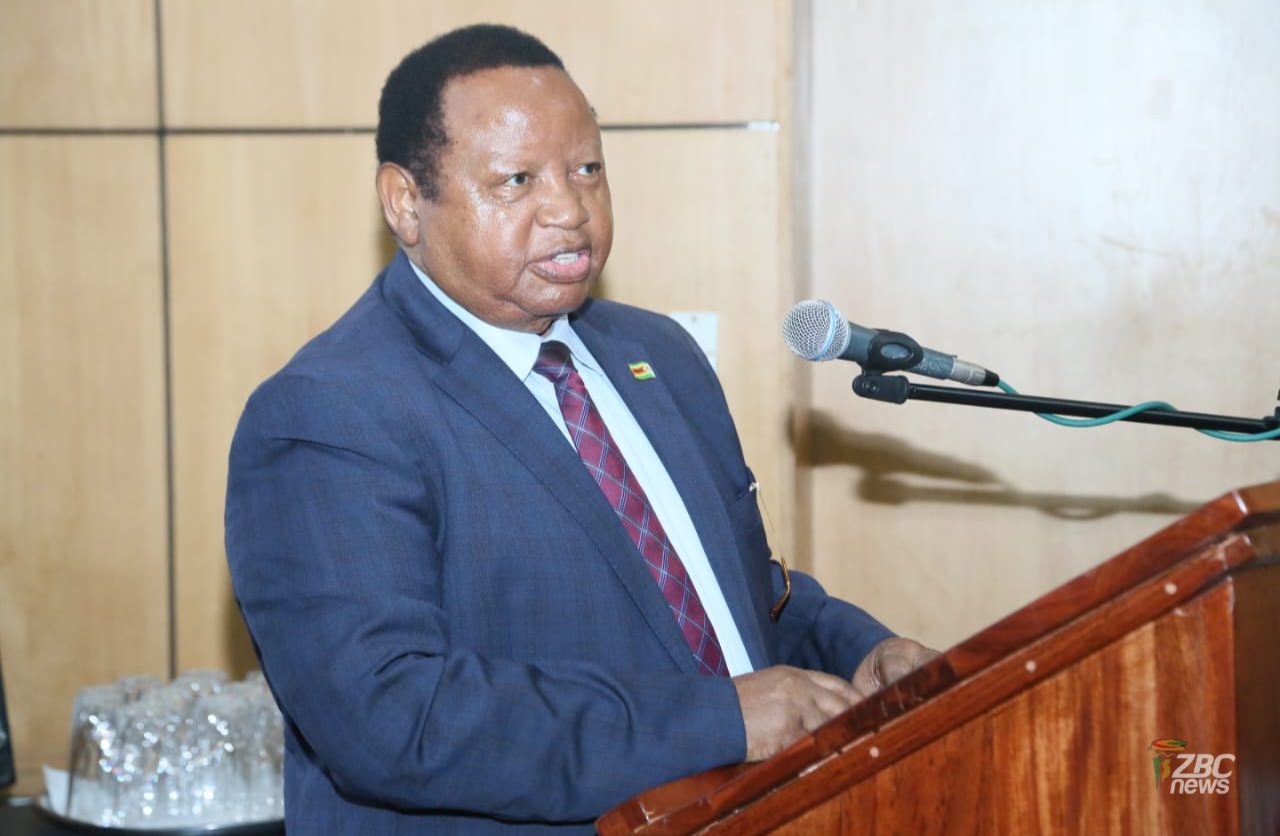
The Minister of Higher and Tertiary Education, Innovation, Science and Technology, Honourable Fredrick Shava, this Tuesday met University Vice Chancellors in Zimbabwe to chart the course with regard to NDS2 at institutions of higher learning.
“Under NDS1, Zimbabwe embarked on a radical departure from the colonial, job-seeking curriculum towards a production-oriented, heritage-based model. This bold shift ignited a knowledge revolution, aptly termed chimurenga chepfungwa. It is this revolution that continues to inspire our collective mission to build an education system that produces innovators, creators, and problem-solvers,” he said.
“NDS2 is anchored in science, technology, digitalisation, innovation, and human capital development, with a clear focus on strategic technology leap-frogging. The ministry expects universities to accelerate the commercialisation of patents and prototypes from our innovation hubs. Many of you are already doing this, but we need to increase the pace. I strongly encourage institutions to pursue industry collaboration to ensure our graduates develop skills directly relevant to the demands of the marketplace.”
Under NDS1, innovation hubs and industrial parks were established at most universities, with students producing innovative ideas and products. NDS2 now brings forth the commercial aspect as graduates are becoming entrepreneurs.

