



Story by Mercy Bofu-Matinha
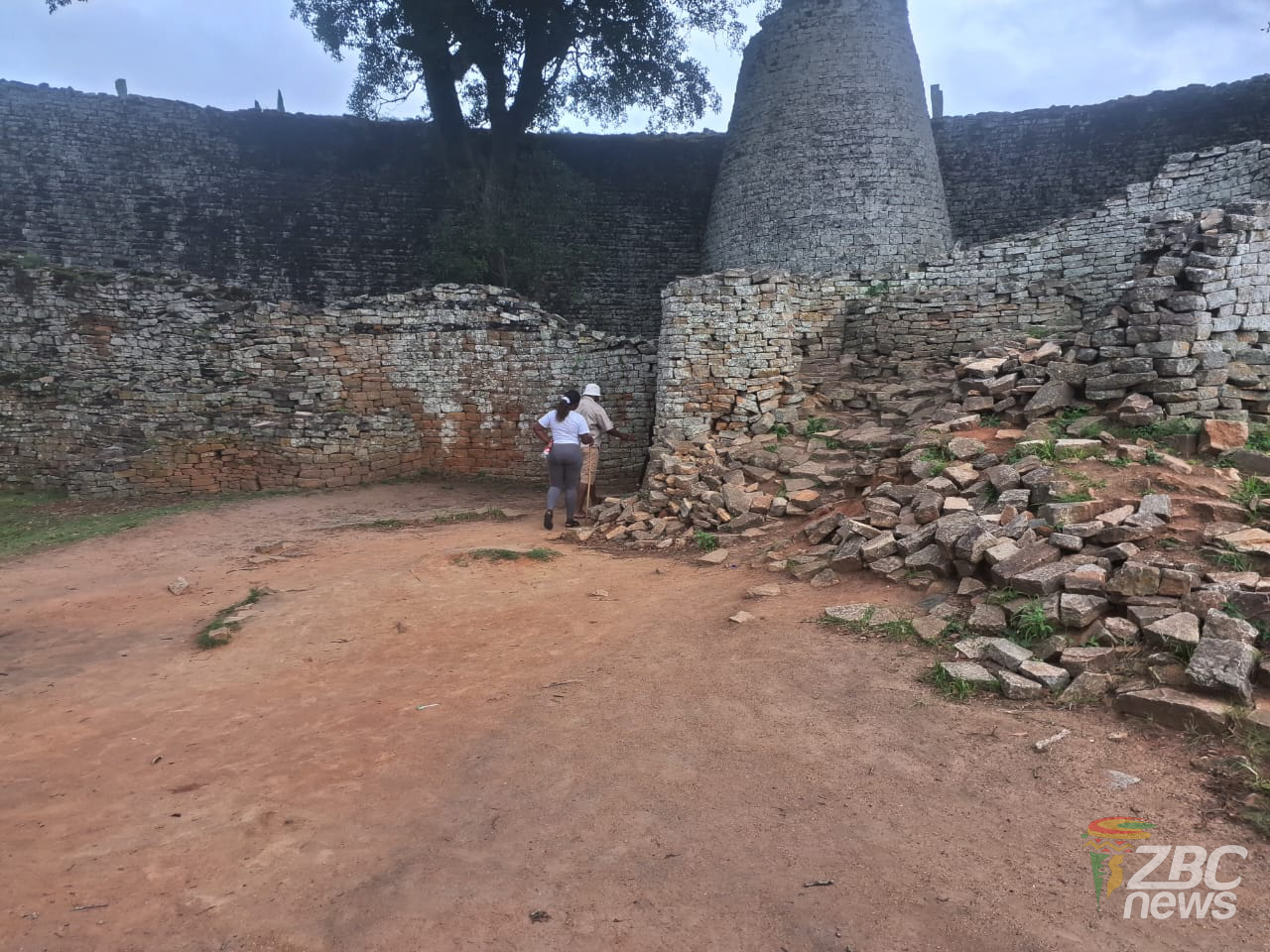
THE Great Zimbabwe Monument continues to assert its place as one of the country’s most significant heritage sites, attracting thousands of visitors and reinforcing Zimbabwe’s cultural identity and tourism appeal.
Nearly 10 000 local, diasporan and international tourists visited the UNESCO World Heritage Site during the recent festive season, highlighting its enduring relevance and global significance. Visitors ranged from domestic holidaymakers and church groups to international tourists and dignitaries.
Officials at the site said the increase in footfall reflects growing appreciation of national heritage, particularly among local visitors. Regional Director for National Museums and Monuments of Zimbabwe (Southern Region), Mr Lovemore Mandima, confirmed that more than 9 000 people visited the monument between December 22 and January 2, 2026.
“The high turnout by local and international visitors to Great Zimbabwe, especially during the festive seasons, demonstrates increased appreciation of national heritage sites by locals, while continued interest from international tourists positions Great Zimbabwe as a cornerstone of Zimbabwe’s tourism sector. This season. The period from December 22 up to the second of January 2026, I am sure we have recorded over 9 000 people who visited this site,” Mr Mandima said.
Among the visitors was former Angolan Vice President Dr Bornito de Sousa and his family, underscoring the monument’s regional and international standing.
Tourists described the site as both educational and inspiring. A visitor from Spain, Juan, said the monument’s stone architecture left a lasting impression, while local visitor Ashley Muzamba, who travelled from Binga, said the site instils pride and highlights the ingenuity of Zimbabwe’s ancestors.
“I am from Spain, and it is my first time here, and all I can say is that this place is very nice, we enjoyed seeing the stonework,” Juan said.
“I came from Binga to visit this place with my family. Great Zimbabwe makes us proud as Zimbabweans. It shows how advanced our ancestors were, and it’s important that everyone, especially the young people, come to learn from this place,” Ashley Muzamba said.
Local church groups also encouraged Zimbabweans to prioritise domestic tourism. Mr Albert Tsikai said visiting national heritage sites such as Great Zimbabwe helps educate citizens while supporting surrounding communities. SDA Church Pastor Muzenda described the monument as a powerful symbol of African history deserving its world heritage status.
“Visiting Great Zimbabwe has been a powerful experience. The monument tells a strong African story, and it deserves its recognition as a world heritage site,” Pastor Muzenda stated.
As Zimbabwe steps up efforts to promote cultural tourism, the Great Zimbabwe Monument remains central not only to preserving the nation’s history but also to driving tourism growth and strengthening national pride.

