



Story by Abigirl Tembo, Health Editor
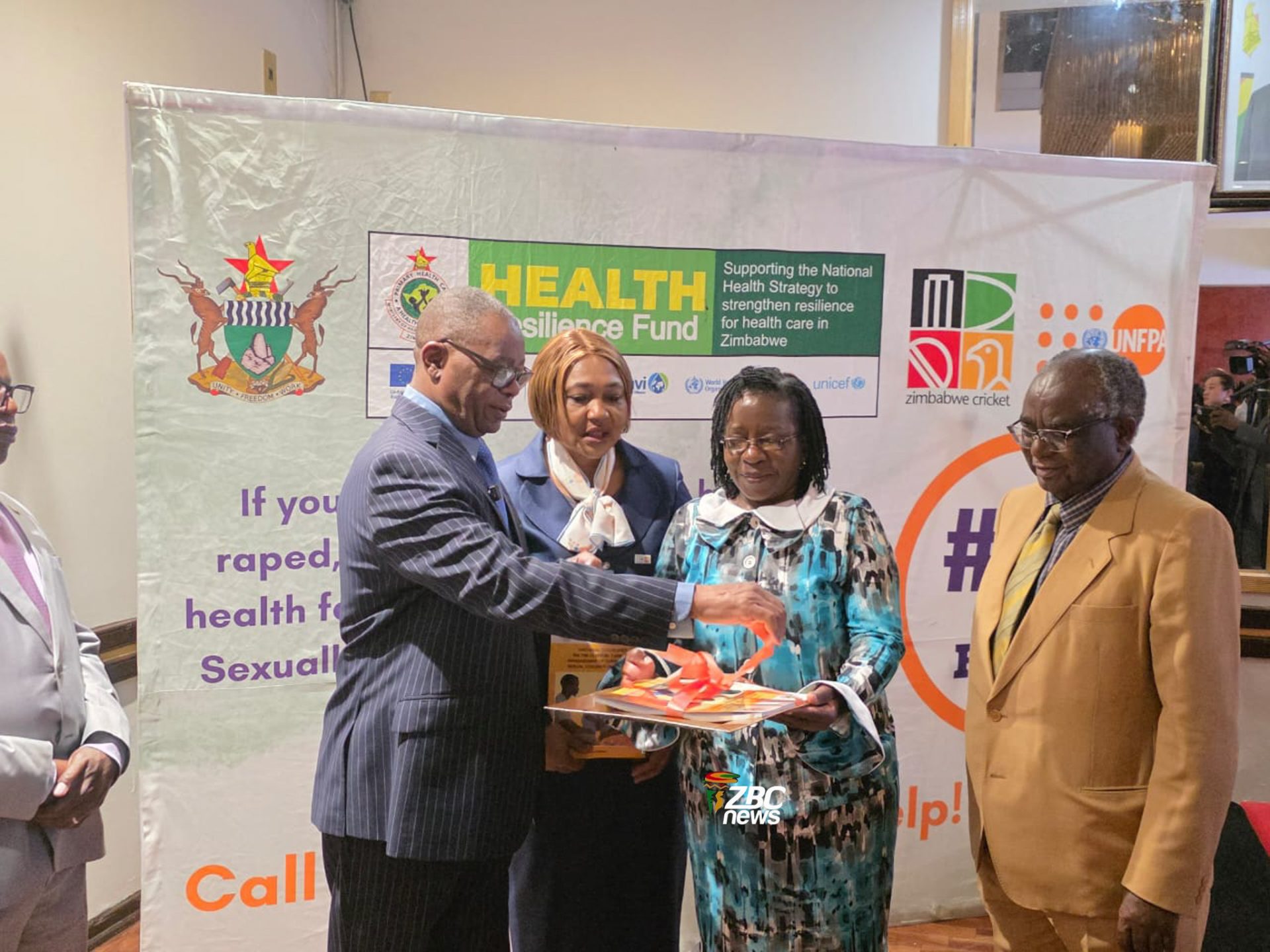
ZIMBABWE has launched comprehensive Clinical Guidelines on the Care and Management of Survivors of Sexual Violence, establishing a national framework to strengthen survivor-centred care and improve coordination between the health, social welfare and justice sectors.
The guidelines are expected to standardise the management of survivors across all health facilities, ensuring access to timely medical treatment, psychosocial support, confidentiality and dignified care.
Speaking at the launch, Health and Child Care Minister Dr Douglas Mombeshora said the success of the guidelines would be measured by their impact on the lives of survivors rather than the publication of another policy document.
“A guideline is only useful if we change the experience of a real person in a real health facility when they need help,” he said.
“That is why today is important. We are not merely launching a document; we are strengthening Zimbabwe’s commitment to ensure that there is survivor-centred, professional and compassionate care.”
Dr Mombeshora described sexual violence as “one of the most painful violations of human dignity”, noting that every case represents a human story involving individuals and families seeking support and justice.
“Whether in Harare, Binga, Ndanga, Gutu or Chinhoyi, survivors deserve more than treatment. They deserve to be treated with respect, dignity and compassion,” he said.
The Minister said government recognises that sexual violence extends beyond criminal justice concerns.
“As a government, we recognise that sexual violence is not only a criminal justice issue. It is also a family issue, a health issue, an economic issue and a human rights issue,” he said.
“The health sector is often the first point of contact for survivors, and our response during those first critical hours can make a profound difference to health outcomes, recovery and access to justice.”
Development partners, including the United Nations Population Fund (UNFPA), welcomed the launch, describing the guidelines as a significant step in strengthening the country’s response to sexual and gender-based violence.
UNFPA Country Representative Ms Miranda Tabifor said the revised guidelines reflect the evolving nature of the challenge and the need to equip healthcare workers with the tools to respond effectively.
“There is a need to equip our health workers to continue doing the great job they are doing to bring relief and comfort to survivors of sexual violence,” she said.
Ms Tabifor highlighted the importance of integrated service delivery through one-stop centres, which provide medical, psychosocial and protection services under one roof.
“One of the aspects that we are really focused on is the establishment of one-stop centres. The one-stop centre model has brought a lot of relief to survivors of sexual violence and gender-based violence,” she said.
“These facilities provide integrated services, ensuring survivors can access the support they need in one place.”
Officials say the framework will improve the quality of care provided during the crucial hours after a survivor reports an incident by establishing clear referral pathways to justice and protection services while promoting dignity, confidentiality and professionalism.
The guidelines are also expected to complement existing interventions, including one-stop centres, as Zimbabwe strengthens its national response to sexual violence and support for survivors.

