



Story by Josephine Mugiyo, Diplomatic Correspondent
ZIMBABWE’S construction sector is emerging as one of the strongest drivers of economic transformation, with a surge in public and private sector investment fuelling infrastructure development, job creation and the country’s march towards Vision 2030.
Latest figures indicate the sector grew by approximately 15 percent in 2026, reflecting growing investor confidence and increased capital flows into strategic national projects.
The growth comes as President Dr Emmerson Mnangagwa continues to rally local and international investors, including Zimbabweans in the diaspora, to channel resources into projects that support industrialisation and modernisation.
“More must be done by local capital markets towards the mobilisation of resources for strategic national projects that directly impact Vision 2030, and the industrialisation as well as modernisation of our country,” said President Mnangagwa.
“Meanwhile, I urge individuals and entities, including those in the diaspora, to diversify their investments into key national priority projects.”
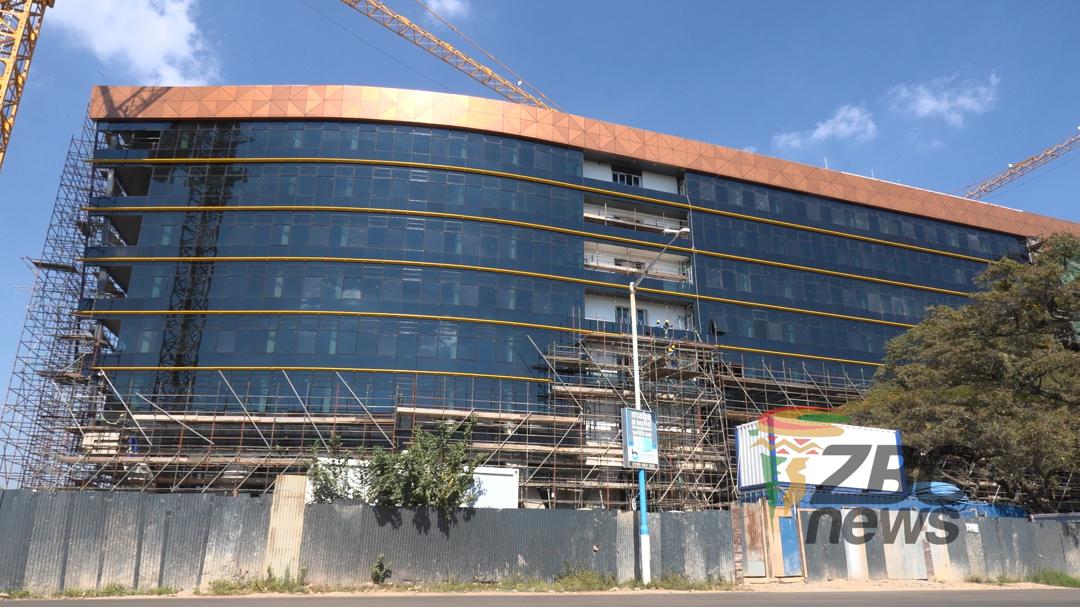
Across Harare and other urban centres, cranes, scaffolding and construction crews have become a common sight as commercial, industrial and residential developments continue to rise, reflecting a sector experiencing sustained momentum.
Economic analysts say construction activity remains one of the clearest indicators of investment confidence and broader economic performance.
“Construction is one effective barometer to test the performance of our economy,” said Africa Economic Development Strategies Executive Director, Professor Gift Mugano.
“Construction is investment. We invest from savings. What it means is the economy is working. That is why we are seeing a mushrooming of buildings, whether commercial or residential.”
Professor Mugano noted that demand for construction materials remains strong, with the sector accounting for between 25 and 30 percent of the country’s import bill.
He also attributed the growth to reforms aimed at improving the ease of doing business and attracting investment.
“This is a clear demonstration that there is an improvement in investment in Zimbabwe. We now have about eight cement companies, but we are still importing cement, which means the investment climate is quite good,” he said.
“We have to keep improving. We have seen the Ministry of Finance providing leadership through ease-of-doing-business reforms. Massive work has been done to remove impediments, and the foundation we have laid is beginning to pay dividends.”
Industry players say the sector’s expansion is being driven by a combination of government infrastructure programmes, foreign direct investment, domestic capital and growing public-private partnerships.
Zimbabwe Building Contractors Association President, Mr Tinashe Manzungu said construction has evolved into a major economic sector in its own right.
“Zimbabwe in 2026 has grown very well in terms of the construction industry,” he said.
“In 2025 and 2026, the growth rate moved to 15.4 percent, compared to around eight percent five years ago. This shows the investment that has been put in by both government and the private sector.”
Mr Manzungu said annual investments in the sector now exceed US$800 million, contributing to cumulative investments of more than US$3 billion.
“We are seeing foreign direct investment and domestic investment. Public-private partnerships are also coming in. Annually, we now have investment exceeding US$800 million, which has contributed to cumulative investments of over US$3 billion.”
The continued expansion of the construction industry is also creating employment opportunities across the value chain, from skilled trades and engineering to manufacturing and transport.
As Zimbabwe accelerates its industrialisation and infrastructure agenda, the construction sector is increasingly becoming both a symbol and driver of the country’s economic transformation, laying the foundations for modern cities, improved services and long-term growth.

