



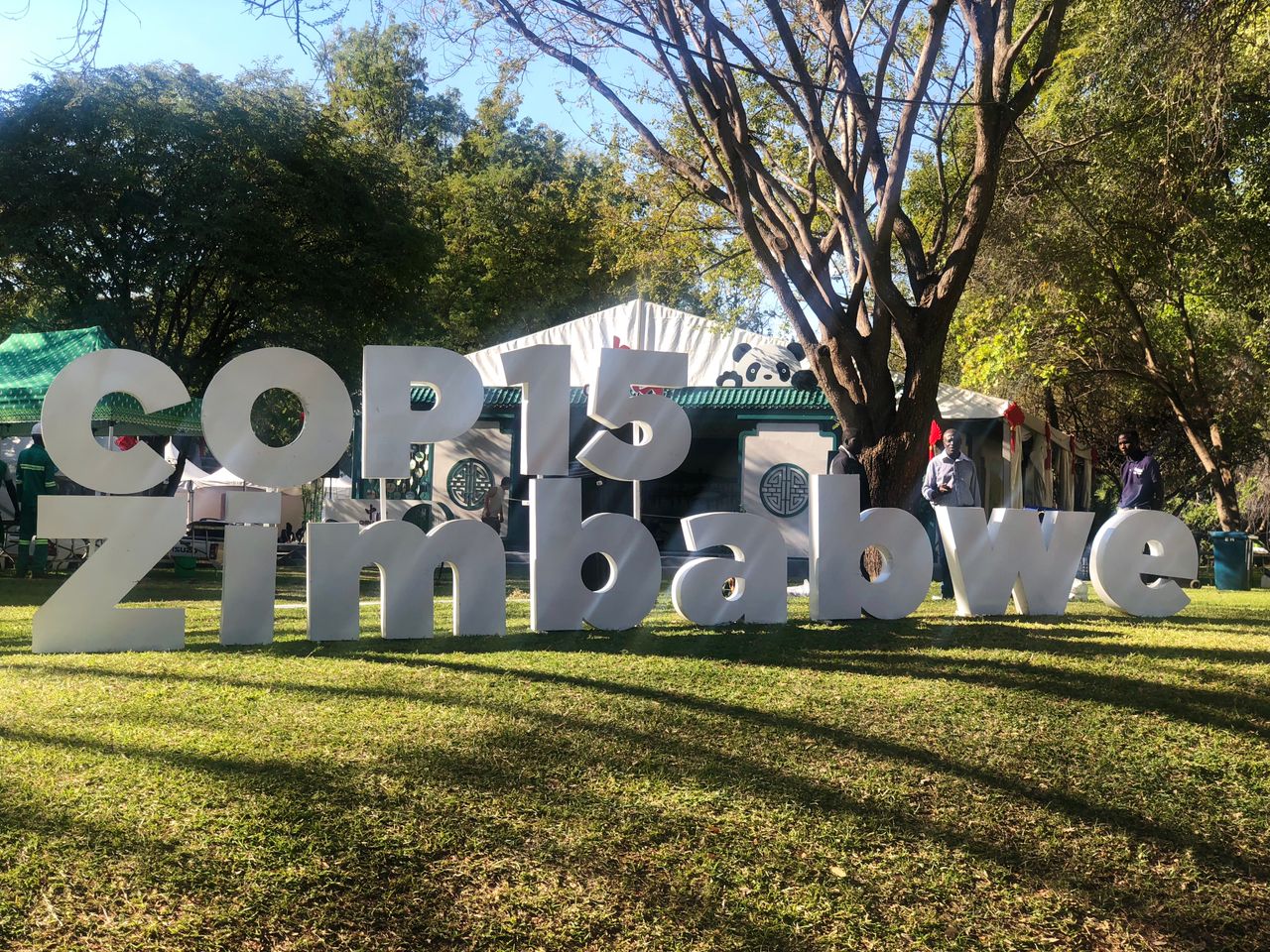
Story by Tichaona Kurewa
THE 15th Conference of the Parties to the Ramsar Convention on Wetlands (COP15) entered its second day this Thursday, with the spotlight on the cultural significance of wetlands and the critical role of communities in protecting them.
At the official opening of COP15, delegates heard that wetlands are not only sources of livelihoods but also pillars of tradition and heritage.
It was noted that communities remain the true custodians of these vital ecosystems, often referred to as the “lungs of the earth.”
“Eswatini citizens and communities are determined to reverse the degradation and destruction of our natural heritage—wetlands that continue to deliver priceless ecosystems, goods and services. As some of you might already know, one of our biggest cultural ceremonies in Eswatini, the Reed Dance, is fully dependent on thriving reed, which grows in wetlands. I would like to take this opportunity to invite you all to the Reed Dance Festival, which takes place annually between the last week of August and the first week of September,” said Eswatini Prime Minister, Mr Russell Dhlamini.
Ramsar Convention on Wetlands Secretary General, Dr. Musonda Mumba weighed in, “We launched the Global Wetland Outlook last week. You’ve heard from Minister Ndlovu the sobering yet motivating insights that highlight why we must protect wetlands. And if there’s a region that truly understands the value of water and wetlands, it is here. In the past 43 years, we experienced some of the worst droughts in recent memory, a warning sign to our systems. We depend on wetlands for water, food, biodiversity, and even for climate regulation.”
Zimbabwe’s Minister of Environment, Climate and Wildlife, Dr Evelyn Ndlovu also spoke on the importance of communities in the conservation conversation.
“Communities are the custodians of wetlands and their management. Any wetlands management approach that does not include indigenous and local communities is bound to fail. Member states must take the role of communities seriously and empower them through supportive policy and regulation,” she said.
Zimbabwe has also identified wetlands as a key pillar in achieving its national development targets as explained by Vice President Kembo Mohadi, “His Excellency is a true champion of the environment, both locally and internationally. Under his bold and visionary leadership, Zimbabwe has placed climate action, environmental stewardship, and wetland protection at the core of its national development agenda. Environmental governance has become a central pillar in our journey toward attaining an upper-middle-income economy by 2030.”
Meanwhile, Zimbabwe has, through the Ministry of Environment, Climate and Wildlife officially assumed the Presidency of COP15 from China for the next three years.
COP15th Conference of the Parties to the Ramsar Convention on Wetlands officially kicked off on Wednesday in the designated Wetland City and is poised to adopt the landmark Victoria Falls Declaration, placing wetland restoration at the heart of global efforts to mitigate climate change.

