



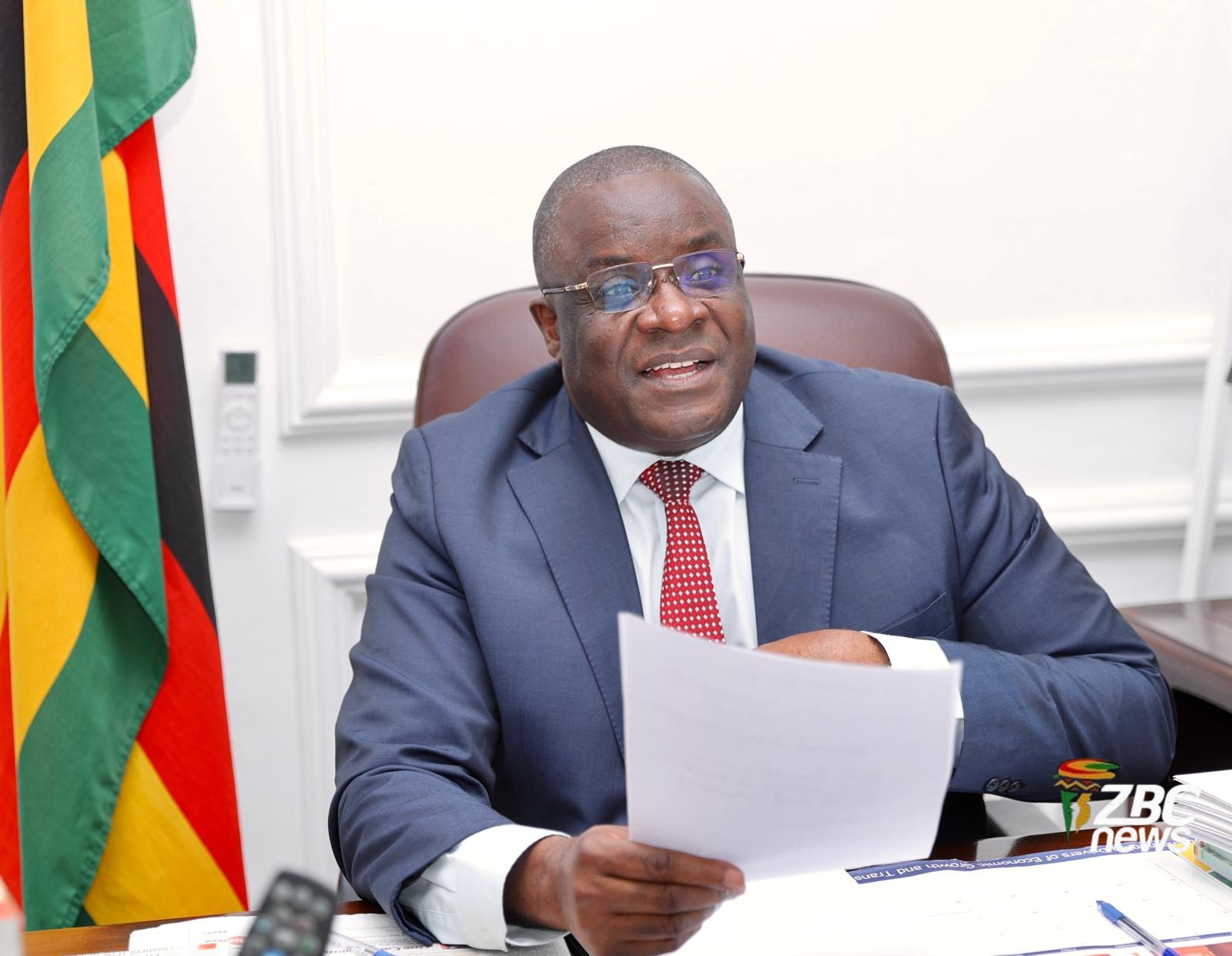
Story by Bruce Chahwanda, Political Editor
THE ongoing debate around Constitutional Amendment Number 3 is a sovereign matter that must be determined by the Zimbabwean people, Deputy Chief Secretary for Presidential Communications, Mr George Charamba, has said.
Addressing concerns surrounding the proposed changes, Mr Charamba dismissed growing disinformation, stressing that the process underway is a routine legislative exercise grounded in democratic consultation.
“There is lots of disinformation, some of it quite gratuitous by those who are opposed to the amendment. We are amending the Constitution, we are not changing or throwing away the current Constitution,” he said.
He emphasised that the process is neither unprecedented nor extraordinary, noting that it follows two previous amendments.
“This is a mere amendment of the Constitution and the fact that it is amendment number three means there are two other amendments that precede it. So really there is nothing unusual about the exercise which is underway.”
Mr Charamba rejected assertions that the constitution is immutable, arguing that governing frameworks evolve in line with national aspirations.
“Constitutions are not immutable. Constitutions are made by people and they are meant for the people… it is a document which changes as and when the governing milieu changes to ensure that it is always an expression of the aspirations of the people,” he said.
Tracing Zimbabwe’s Constitutional history from the colonial era to independence and beyond, he said amendments have always been part of governance, reflecting shifting political and social realities.
He further outlined the origins of Amendment No. 3, describing it as a process that began as a grassroots initiative before becoming part of the Government’s legislative agenda.
“It starts as an intention or a wish of the youth… it radiates… until we get to ten provinces… at which point that intention then coalesces… to become the intention of a political party,” he said.
Mr Charamba explained that once Cabinet adopted the Bill, it became binding on Government and civil servants, before being tabled in Parliament for public consultation.
“Parliament has invited members of the public to air their views… whether for or against… and ultimately the decision… is consistent with the wishes of the majority of the Zimbabwean people,” he said.
He urged citizens to actively participate in the consultation process rather than pre-empting its outcome.
“Go and make your ideas felt… whether for or against… and ultimately parliament will then have to glean through all those submissions… and that is democratic.”
On concerns regarding the role of Parliament versus a referendum, Mr Charamba said legislative authority ultimately rests with Parliament.
“You cannot place the referendum in apposition to parliament… it is parliament which is mandated to do so in terms of our law,” he said.
Addressing debate around the election of the President, he noted that Zimbabwe’s governance system has evolved over time, including periods when the presidency was not directly elected.
“This same country which made the president’s elective is now debating whether or not this system serves us well… let’s wait for the consultation process… let the majority prevail,” he said.
Mr Charamba reiterated that the amendment targets specific provisions rather than replacing the constitution in its entirety.
“This is not the constitution which is being changed, it is an aspect of it which is being amended… we might go through the fourth one, fifth one… and that is very much consistent.”
He also pointed to international perspectives reinforcing Zimbabwe’s sovereignty on constitutional matters.
“The issue to do with the constitution and all the amendments that are deemed necessary is a sovereign question for the Zimbabwean people,” he said.

