



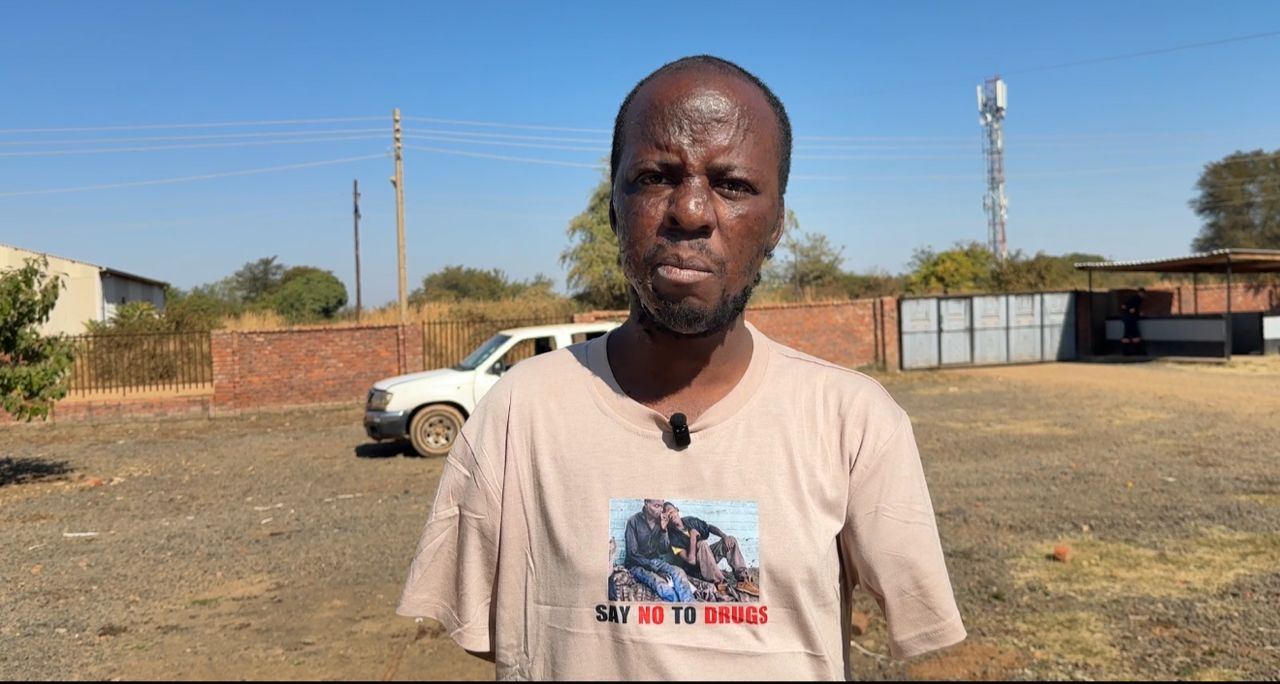
Story by Tamuka Charakupa
PEOPLE with disabilities are being urged to focus on self-reliant projects as a means of sustaining their livelihoods, with inspiring examples of individuals who have overcome the odds to rise above stigma, discrimination, and hardship.
Among these are two remarkable Zimbabweans who have defied adversity and emerged as shining examples of resilience.
At just 13 years of age, Elisha Gumbo’s life changed forever. While walking home from Mupamombe Primary School in Kadoma where he was in Grade 7, Elisha was electrocuted when a live power line fell.
The tragic accident resulted in the amputation of both his hands and left him with burns and permanent scars, yet rather than breaking his spirit, the incident ignited a fierce determination within him.
Now aged 28, Elisha has graduated as a qualified lawyer from the University of Zimbabwe. His success is a powerful testament to courage, resilience and perseverance in the face of great odds.
“I still remember that fateful day. We were coming from school, excited to go home when disaster struck. I was the only one who got electrocuted, which resulted in the amputation of both my hands and left me with severe burns and scars.
“Despite the physical trauma, l am grateful to my immediate family, who comforted me and reassured me that there is more to life than my physical limitations. Unfortunately, the community saw me as a useless person, but I knew I had a purpose. I may have lost my hands, but I still had my mind and my voice,” he said.
From facing stigma, bullying, and deep-rooted discrimination, Elisha’s journey to become a lawyer was not an easy ride.
At college, not many wanted to associate with him while the few who did always tempted him to engage in drugs as a way to escape his ordeal.
“Growing up, I faced many challenges. Some parents did not want their children to play with me because of misconceptions about my disability. But this motivated me to focus on my education, and I passed with flying colours. I eventually enrolled at the University of Zimbabwe, where I studied law. Many tried to tempt me with drugs, but I resisted. Today, as a lawyer and disability advocate, I want to tell young people that their minds are their greatest assets and they should protect them,” he added.
In the same world of hardship and resilience, there is also a remarkable story of a 64-year-old wheelchair-bound Ms Sharai Makota who was involved in a road accident, which not only took away her mobility but also her marriage.
With no husband, limited support, and a wheelchair as her daily companion, Sharai rebuilt her life, and today she is spearheading various developmental projects for people with disabilities in Norton.
“In 2010 I was involved in a car accident while on my way to church. That accident left me in a wheelchair, and seeing that I was now disabled, my husband left. He openly told me that he could not live with a cripple. That broke me more than the accident ever could. Today I may not walk, but I move with purpose. I now lead and coordinate the Norton Disability Support Group where I am encouraging people with disabilities to move out of their comfort zone and work for themselves. I am a shining example that disability is not inability,” she said.
For Elisha and Sharai their ordeals tell a story that disability is not inability and also send a strong message that no one knows about tomorrow.

