



Story by Stanley James, Business Editor
ZIMBABWE’S business sector has recorded significant milestones under the Second Republic, with Gross Domestic Product (GDP) rising from approximately US$25 billion in 2019 to more than US$50 billion in 2024.
Over the past six years, Government and the private sector have focused on growth-oriented economic reforms aimed at stimulating production, investment and industrialisation.
One of the key beneficiaries has been the manufacturing sector, whose capacity utilisation has increased from around 40 percent in 2018 to more than 50 percent as companies invest in new machinery and expand output. This has resulted in local products accounting for over 80 percent of goods available in the retail sector.
Agriculture, the backbone of the economy, has also registered significant gains. Treasury reports indicate bumper maize harvests, increased wheat production and higher tobacco output, supported by the recovery of the livestock, poultry and dairy subsectors.
According to the Chamber of Mines, reforms implemented under the Second Republic have facilitated increased production and export earnings from key minerals such as gold, platinum group metals, lithium, nickel and chrome.
The Construction Industry Federation of Zimbabwe (CIFOZ) says infrastructure development is also driving business growth through substantial investments in road rehabilitation and the construction of roads, airports, bridges, industrial facilities, residential properties and power stations.
The tourism sector has equally benefited from the economic reforms, attracting projects worth millions of dollars. Zimbabwe was also named the world’s best country to visit in 2025 by Forbes magazine.
As the country’s first economic blueprint, the National Development Strategy One (NDS1) focused on economic stability. The introduction of the Zimbabwe Gold (ZiG) currency in April 2024 has also contributed to greater stability, enabling businesses across various sectors to plan effectively and maintain viability.
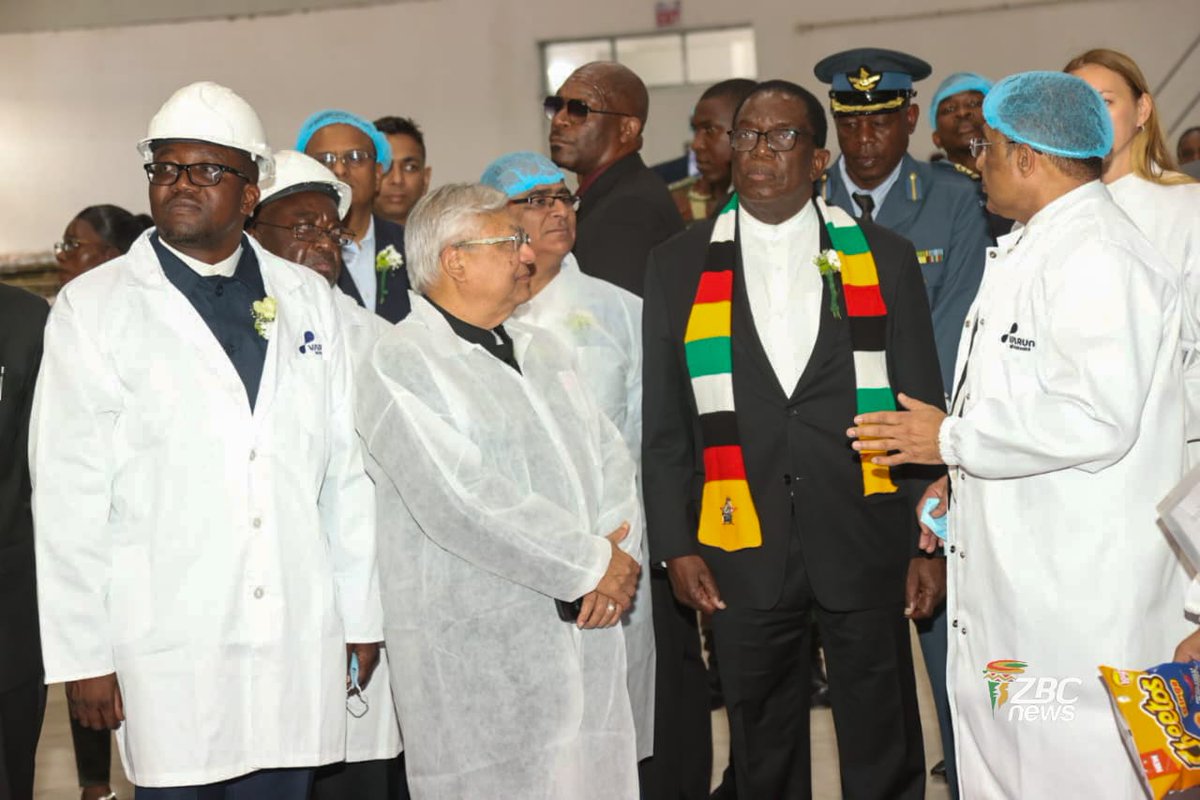
Officially commissioning a new manufacturing plant for Varun Beverages in May this year, President Dr Emmerson Mnangagwa reaffirmed Government’s commitment to industrial and commercial growth.
“My administration is on course to sustain the current momentum towards achieving structural transformation for equitable, broad-based and inclusive growth. Emphasis continues to be placed on domestic value addition and beneficiation, increased productivity, job creation and economic diversification.
“The manufacturing sector is expected to anchor this thrust through a projected growth rate of 3.4 percent, primarily driven by strong linkages with agriculture and mining. Capacity utilisation is now surging beyond 60 percent.
“In view of the strategic importance of the sector, Government has set aside resources to support retooling, industrial modernisation and working capital requirements, while also improving the prevailing policy environment.
“The need to build sustainable quality assurance regimes that enhance the country’s competitiveness and protect consumers cannot be overemphasised. My Government remains steadfast in its commitment to fostering an investor-friendly environment, promoting local manufacturing and import substitution, as well as advancing value chain development.
“‘Zimbabwe is Open for Business’ and will continue to be a safe, secure and competitive investment destination. My Government stands ready to refine the ease of doing business and partner with the private sector to unlock the full potential of our economy,” he said.
With the National Development Strategy Two (NDS2) now underway, market analysts believe that reduced regulatory fees across economic sectors, a stable domestic currency, rising production volumes and increased export earnings will help sustain Zimbabwe’s growth trajectory.

