



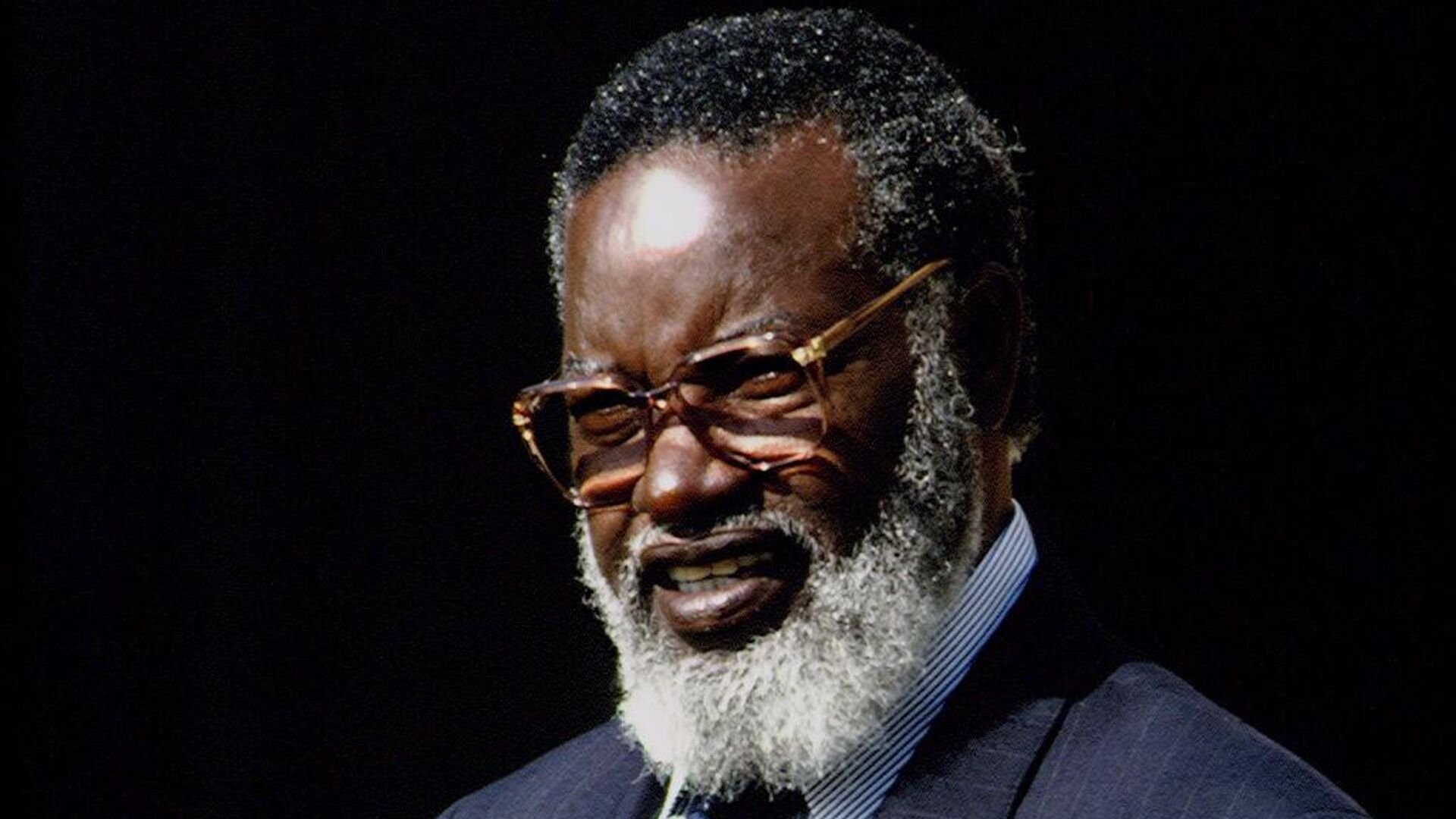
Dr Sam Shafiishuna Nujoma was born on 12 May 1929 in Ongandjera, in what was then the South West Africa territory under South African rule. Growing up ın a deeply segregated society, he experienced first-hand the injustices of colonialism, where indigenous Namibians were denied basic human rights, land and economic opportunities.
Despite the limitations imposed by the colonial system, he pursued education, first at Okahao Finnish Mission School. However, the economic hardship forced him to leave school to support his family. He found work on the railways in Walvis Bay, an experience that exposed him to the brutal realities of apartheid. The oppression he witnessed there strengthened his resolve to fight for freedom and justice.
Nujoma’s political activism began in the 1950s when he became involved in labour movements and early nationalist organisations. In 1959, he co-founded the Ovamboland People’s Organisation (OPO), a forerunner of SWAPO, which aimed to challenge South Africa’s illegal administration in Namibia. The same year, he played a key role in mobilising resistance against the forced removals in Windhoek’s Old Location, which led to the tragic Windhoek Old location Massacre.
Recognising that independence could not be achieved through peaceful protests alone, Nujoma transformed OPO into the South West Africa People’s Organisation (SWAPO) in 1960. Shortly after, he went into exile, where he led Namibia’s struggle from the international stage. Under his leadership, SWAPO launched an armed liberation struggle in 1966, marking the beginning of armed conflict against South African occupation.
From exile, Dr. Nujoma became the face of Namibia’s liberation movement. He travelled extensively, securing political, military and financial support from African, Eastern European and non-aligned nations. His diplomatic efforts gained the recognition of the United Nations, the Organisation of African Unity (OAU) and other global institutions, ensuring that Namibia’s independence remained a key issue on the international agenda.
As the commander-in-chief of the People’s Liberation Army of Namibia (PLAN), he led SWAPO in strategic military operations while continuing negotiations through diplomatic channels. The armed struggle intensified throughout the 1970s and 1980s, with the South African government facing increasing international pressure to relinquish control of Namibia.
The breakthrough came in 1988, when a peace agreement was reached, paving the way for the United Nations-supervised elections in 1989. SWAPO emerged victorious and Namibia finally achieved independence on 21 March 1990.
As Namibia’s first President, Dr Nujoma faced the enormous task of uniting a nation deeply scarred by colonial rule and decades of conflict. His leadership was instrumental in laying the foundation for democracy, economic development and national reconciliation.
His administration prioritised education, healthcare, infrastructure development and land reform, ensuring that Namibia’s newly found freedom translated into tangible progress for its cıtizens. Under his leadership, Namibia became a respected player in international affairs, maintaining strong ties with African and global partners
One of his most remarkable contributions was fostering peace and stability. Unlike many post-colonial nations that descended into conflict, Namibia remained peaceful, thanks to Nujoma’s policy of national unity and reconciliation. His government also worked to empower previously disadvantaged communities through policies aimed at economic inclusion.
After serving three terms as President, Dr. Nujoma voluntarily stepped down in 2005, ensuring a smooth democratic transition, an exemplary move in African leadership. However, his influence remains profound in Namibia’s political, social and economic landscape.
Beyond politics, he has continued to champion agriculture, youth empowerment and Pan-Africanism. His writings, speeches and advocacy reflect his enduring commitment to the ideals of self-reliance and African solidarity.
Dr Sam Nujoma’s life is a testament to resilience, vision and unwavering dedication to the people of Namibia. In recognition of his contributions to the liberation struggle and nation-building, Dr Nujoma was honoured with numerous awards and accolades, both nationally and internationally. His commitment to peace, unity and the well-being of the Namibian people earned him the title of Founding President and Father of the Namibian Nation.
During his lifetime, President Nujoma was bestowed with numerous honours and awards, more than 30, for his outstanding leadership, courage and total commitment towards the creation of a non-racial society in Namibia. In addition, President Nujoma was awarded numerous Honorary Doctorate Degrees, fifteen (15) in total, as well as four (4) Honorary Citizenships of the Cities of Atlanta, San Francisco, New York and the City of East Palo Alto, in the United States of America.
On Sunday, 09 February 2025, Namibia woke up to the sad news that Dr Sam Shafiishuna Nujoma, the Founding President and Father of the Namibian Nation, was no more as he passed on at 2345 hours, on Saturday, 08 February 2025.
H.E President Sam Shafishuna Nujoma is survived by his dear wife, Madame Theopoldine Kovambo Nujoma and three (3) children namely Utoni Daniel Nujoma, Nefungo Nujoma and Usuta Nujoma. They were also blessed with 24 grandchildren and 11 great grand-children.

