



Story by Wellington Makonese
The 66th edition of the Zimbabwe International Trade Fair has emerged as a powerful indicator of Zimbabwe’s industrial transformation, showcasing a growing economy defined by innovation, quality and rising investor confidence.
Held in Bulawayo, the week-long trade showcase has gone beyond traditional product exhibition, offering a compelling snapshot of the country’s evolving industrial landscape and export potential.
This year’s fair has attracted strong participation from both local and international exhibitors, reflecting renewed confidence in Zimbabwe as an investment destination and trading partner.
High-level networking between public and private sector players has further reinforced the event’s status as a premier platform for business engagement, partnerships and market expansion.
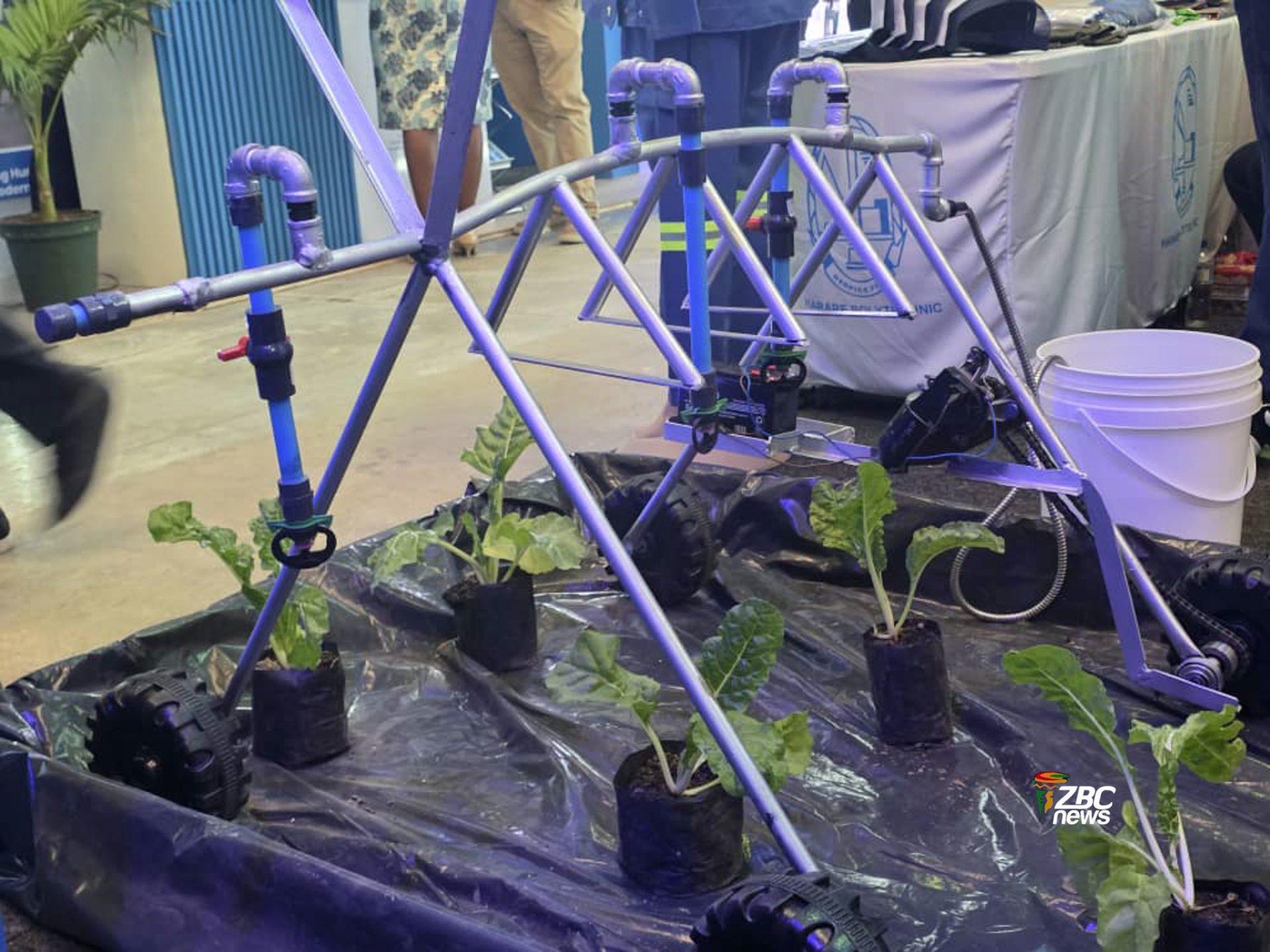
A defining feature of ZITF 2026 has been the shift towards high-tech, locally developed solutions, many of which are now ready for regional and global markets.
Exhibitors say the fair has highlighted Zimbabwe’s growing capacity to produce competitive, export-ready products aligned with international standards.
Embassy of Japan in Zimbabwe First Secretary and Head of Political, Culture and Public Relations, Ms Kayo Imamura, said the platform has strengthened trade and cooperation prospects.
“Japan and Zimbabwe have a great deal in common, and this trade fair provides an important platform for us to deepen our engagement and grow our economic ties,” she said.
International exhibitors also praised the quality of opportunities available in Zimbabwe.
Ms Martie Phumzile Mphelo from South Africa’s Limpopo Province said the experience had surpassed expectations.
“The impression I had before arriving is very different from what I have found on the ground. I have made valuable connections, and the market in Zimbabwe is highly impressive,” she said.
Local exhibitors echoed similar sentiments.
Zimbabwe Parks and Wildlife Management Authority Public Manager, Mr Luckmore Safuli said innovation and quality had improved markedly.
“The level of innovation has increased significantly, and most of our products are now aligned with international standards,” he said.
Acting Vice Principal of Kushinga Phikelela Polytechnic College, Mr Munyaradzi Samusodza said the event had opened new export opportunities for locally developed products.
Government says the progress on display reflects the success of its innovation-led industrialisation strategy, underpinned by heritage-based education and the Education 5.0 model.
Permanent Secretary in the Ministry of Higher and Tertiary Education, Innovation, Science and Technology Development, Professor Fanuel Tagwira said Zimbabwe is now translating research and innovation into commercially viable products.
“The quality of exhibits we are seeing this year, particularly from our innovation hubs and the private sector, is world-class. We are no longer just theorising; we are producing competitive, market-ready solutions,” he said.
Across the exhibition floor, innovation has clearly moved beyond the prototype stage, with universities and industry now delivering practical solutions for the marketplace.
For many participants, ZITF 2026 has delivered a clear message: quality, innovation and competitiveness are no longer future goals, they are now the defining features of Zimbabwe’s industrial growth trajectory.

