



Story by Gay Matambo
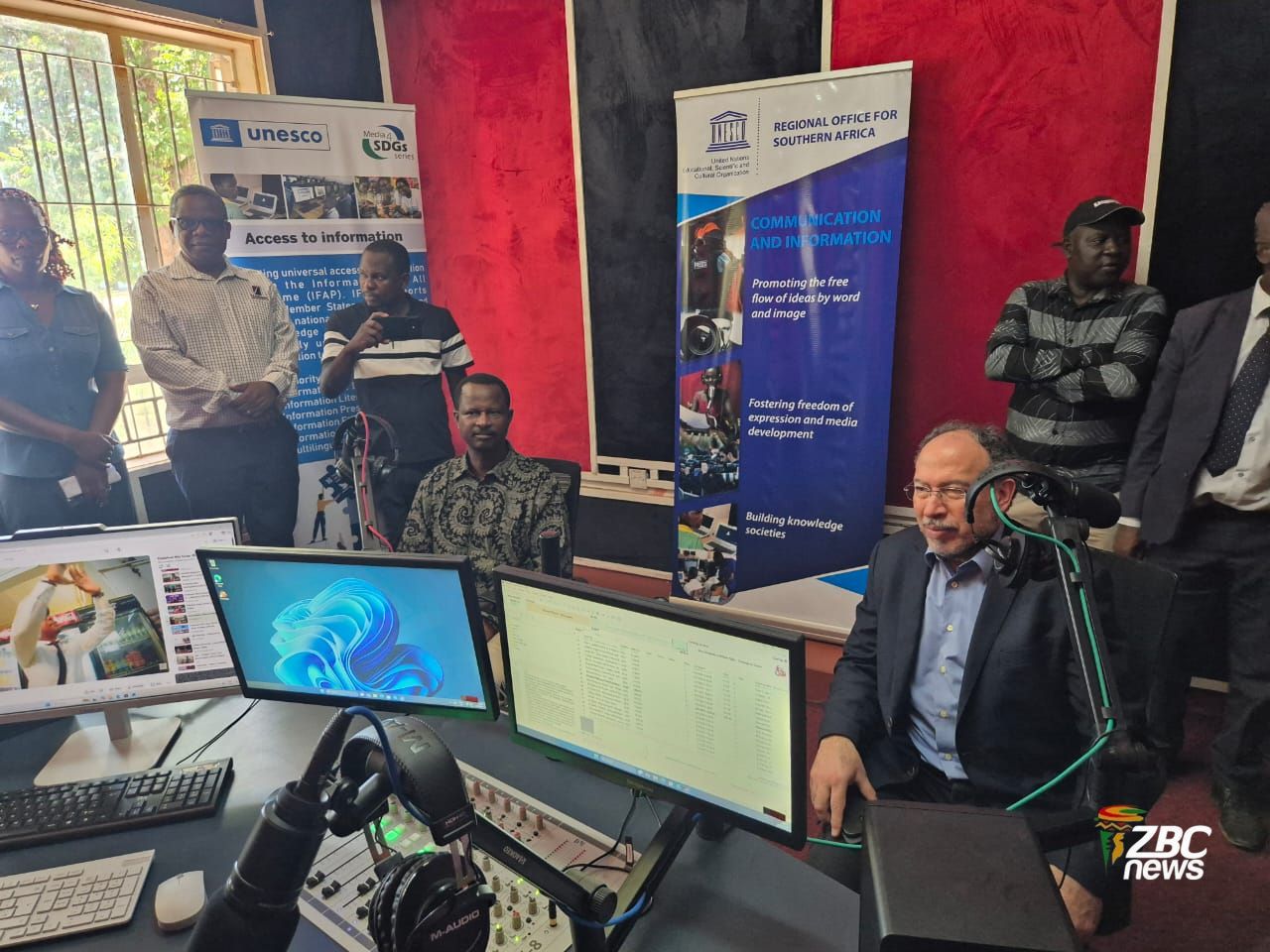
GOVERNMENT, in partnership with UNESCO and other development stakeholders, has reinforced its commitment to expanding Zimbabwe’s media landscape through the licensing and equipping of community radio stations, particularly in underserved areas of the country.
The initiative coincides with preparations to mark World Radio Day on Friday, highlighting the role of radio as a tool for information dissemination, cultural promotion, and community development.
For years, communities in eastern Zimbabwe, including Tongogara and Garahwa, have faced limited access to timely information. This barrier was addressed on Monday when government officials and UNESCO representatives delivered professional broadcasting equipment, including transmitters, FM antennas, audio mixers, and studio microphones, to the two communities.
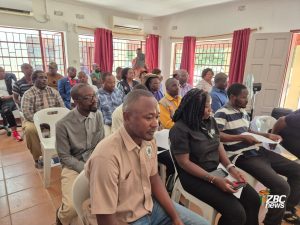
A resident of Tongogara welcomed the development, noting the potential for local talent promotion and cultural expression. “As youths in Tongogara, we are excited about this radio station. It will allow us to showcase our talents and communicate effectively within our community,” they said.
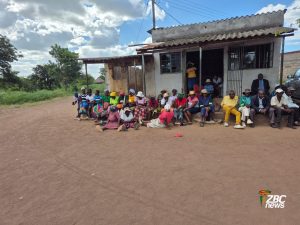
Chief Garahwa emphasised the cultural significance of the project.
“We thank government and UNESCO for this development in our community, which is going to be a mouthpiece for my people. We cannot talk of culture without our languages, and we are proud to be able to see the Ndau culture being represented,” Chief Garahwa said.
The new equipment, which is set to turn these communities into powerhouses, includes professional audio mixers, transmitters, FM antennas, and high-end studio microphones.
“UNESCO played a key role in the country, supporting the installation of the very first community radio station nationwide. To date, the Organisation has directly supported four community radio stations and indirectly enabled the establishment of several others. Beyond material support, UNESCO has consistently provided technical expertise and policy guidance, while facilitating structured dialogue with government authorities and regulators. This engagement has contributed to creating an enabling environment for community broadcasting and to strengthening national systems and institutional frameworks for community media development,” UNESCO Assistant Director-General for Communication and Information Dr Tawfik Jelassi said.
Intensive training programmes are already underway to ensure local volunteers can operate the equipment.
“Our support to Tongogara and Garahwa communities builds on UNESCO’s long-standing support for community media in Zimbabwe. With the establishment of Tongogara Community Radio, the country will now host several community radio stations. Central to this effort is the technical capacity to run and maintain Tongogara FM, and capacity development for volunteers.
“Foundational training delivered by the Broadcasting Authority of Zimbabwe has equipped participants with practical skills in content production and community radio principles and will continue to do so. Equipment installations and future technical support will continue to be provided by our partner Transmedia Corporation,” Deputy Minister of Information, Publicity and Broadcasting Services Dr Omphile Marupi said.
As of 2026, there are 14 licensed community radio stations across the country, primarily serving previously marginalised communities, and these include Avuxeni FM in Chiredzi and Madziva FM in Mashonaland Central Province.

