



Story by Yolanda Moyo
THE government will next week begin gazetting a series of legal instruments to implement new measures aimed at reducing the cost of doing business in Zimbabwe.
The roll-out will be gradual across ministries, with Statutory Instruments (SIs) formalising the fees and procedures announced earlier by Treasury.
The legislative backing for these reforms, covering sectors such as agriculture, retail, transport, and tourism, is set to begin next week, through a series of SIs with some measures also expected to be reflected in the upcoming Finance Act proposals.
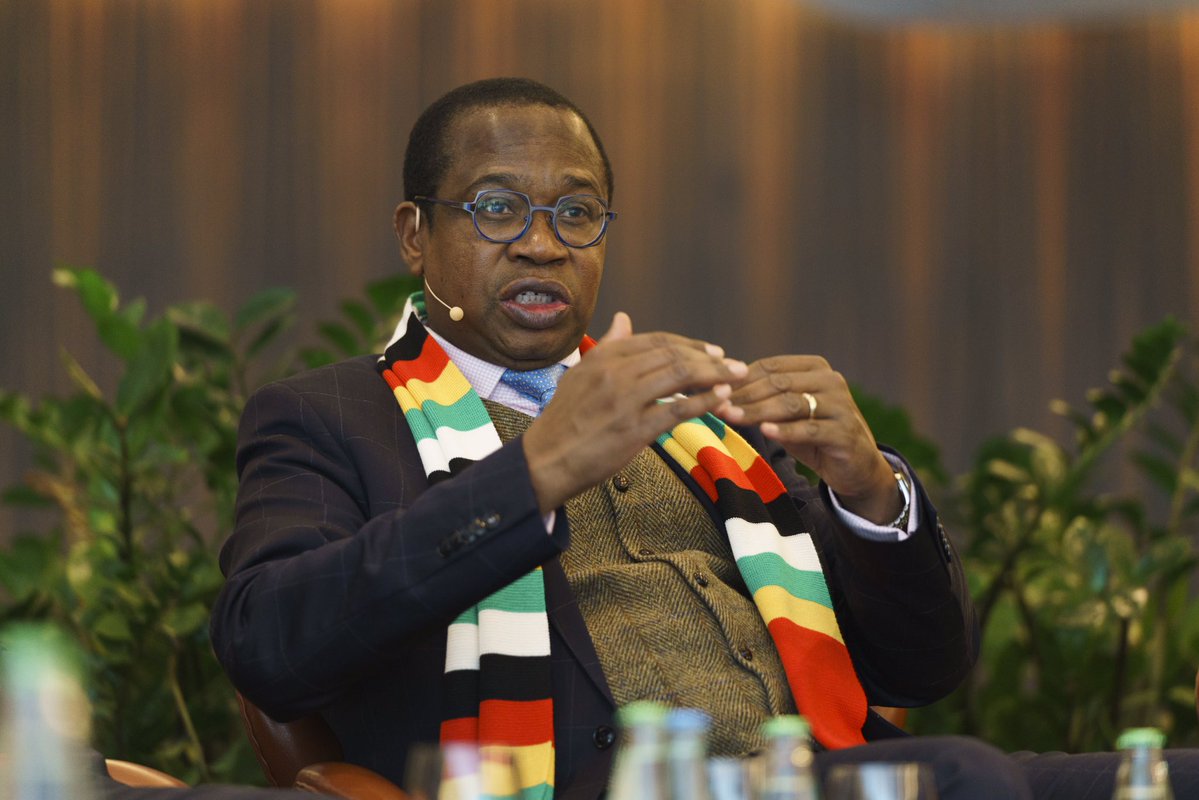
Speaking on the sidelines of the just ended pre-budget discussions in Bulawayo, Finance, Economic Development and Investment Promotion Minister, Professor Mthuli Ncube, confirmed the government’s swift action, emphasising the administration’s determination to “walk the talk” on these reforms.
“In terms of legal effect to support the pronouncements I have made in reducing the cost of doing business, these will start trickling in from next week. You will see individual ministries announcing new fees and procedures through SIs and some of these will also be reflected in the Finance Act proposals in the upcoming Budget. The implementation process will be gradual to allow ministries to align their fees and regulations with the broader national reforms. Next week we will delve into the energy sector. So far, we have done parts of agriculture, retail, wholesale, transport, and tourism. We’ll continue until we cover all major sectors, including services,” he said.
Treasury maintains that the combination of prudent fiscal management and sound monetary policy has already laid the foundation for these business-friendly reforms.
“We have really hit the right chord in terms of our economic reforms and our quest for macroeconomic stability. Institutions such as the IMF have commended us for the hard work we’ve done. The results are evident a 6.6 percent growth rate this year and a projected 5 percent next year. That’s among the fastest growth rates in the region. And these reforms obviously have to do with prudent fiscal management, prudent monetary policy, which is then helping support our currency, it’s lowering prices, creating that necessary stability in terms of the buying power and capacity of and value of our currency. All that is, you know, is hitting the right note in terms of uh, you know, sustainable growth and development going forward,” he added.
Zimbabwe’s economy is projected to remain on a positive trajectory, driven by continued reforms, stable policies, and strategic investment in key sectors including energy, agriculture, and manufacturing.