



Story by Kenias Chivuzhe
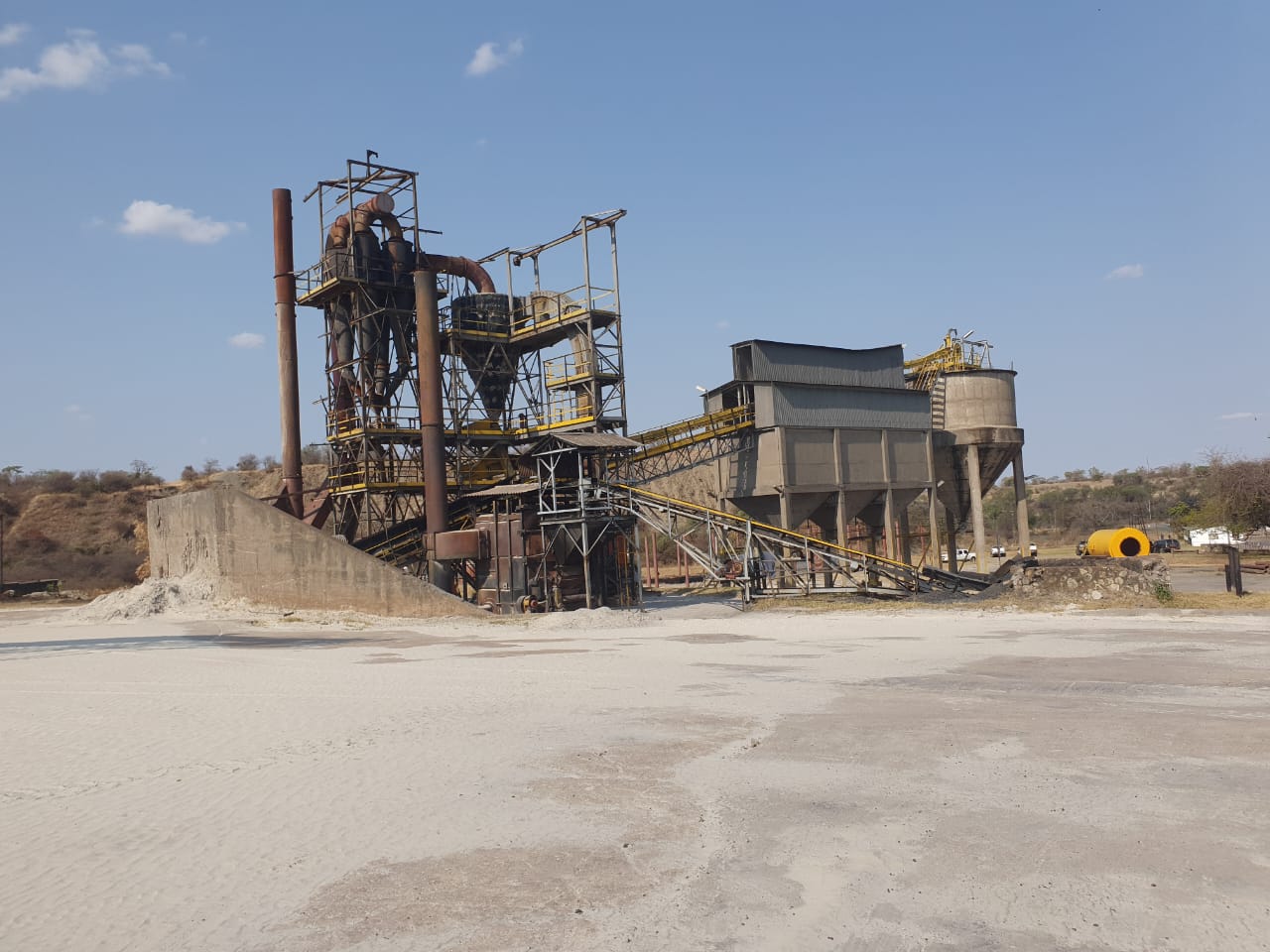
DOROWA Mine, Zimbabwe’s sole phosphate producer and once the heartbeat of the nation’s fertiliser supply chain, is being revived through a US$5.3 million capital injection from the Mutapa Investment Fund. The investment has rekindled hopes of restoring local fertiliser production and reducing costly imports, marking a turning point in the country’s agricultural industrialisation agenda.
Established in 1965 and reaching full production by 1973, Dorowa Mine in Buhera was for decades central to fertiliser security before years of undercapitalisation and neglect reduced output to just 15 percent capacity. The revival plan, spearheaded by Mutapa Fund and the Industrial Development Corporation of Zimbabwe (IDCZ), seeks to restore the mine’s production to levels that can sustain national demand.
IDCZ Board Chairperson, Mr Winston Makamure, said the plant is poised for recovery after decades of under-maintenance.
“Dorowa is not producing what it should be producing despite having the best phosphate in the world. When we came in as a new board, the plant was operating at 15 percent capacity utilisation, but in 2021 to 2022, we managed to push production to 26 percent. Those efforts were reversed due to the plant’s lack of maintenance. Established in 1965, the last major maintenance was done in 1973. IDC has changed shareholding, and we are now under the Mutapa Investment Fund. Already, we have bought 90 percent of the materials to conduct phase 1 refurbishment,” he said.
Mutapa Investment Fund is confident the first phase of refurbishment will be complete by April next year, paving the way for the second renovation process that will bring the total investment to US$16 million to fully modernise the plant.
“As part of our strategy at Mutapa Investment Fund, we have started phase 1 for the refurbishment of Dorowa Minerals. We have secured US$5.3 million for the first phase, and it is our hope that the first phase of the refurbishment will be completed in April next year. In terms of output, we are looking at 100 000 tonnes of phosphate concentrate, which will translate to 200 000 tonnes of basal fertiliser. The second phase will be undertaken in the second and third quarters of next year. The national requirement of basal fertiliser is about 350 000 metric tonnes, and we will meet that demand between 2026 and 2027. Currently, Dorowa is not operational, and we are importing phosphates,” Mutapa Investment Fund Head of Clustered for Agriculture and Industries, Tatenda Chimusoro noted.
The Parliamentary Portfolio Committee on Industry and Commerce visited Dorowa Mine this Saturday.
Portfolio Committee Chairperson Honourable Clemence Chiduwa says corporate governance issues at the mine require serious interrogation, but highlighted that the coming on board of Mutapa Investment Fund is expected to revive the fortunes of the country’s fertiliser industry.
“Dorowa is the only mine in Zimbabwe that mines phosphate, which is a primary ingredient for basal fertilisers. Over the years, we have witnessed a breakdown of the fertiliser supply chain, and you can see here that at the moment, there is no production. Yesterday, we were at Sable Chemicals, and again, there were no operations. We are saying that to revive and promote the full value chains of the fertiliser sector, we need to revive Dorowa.
“We have seen quite a number of issues here that include the magnetite plant, which is not operational. There are also challenges at the phosphate plant, hence the need for capital injection. We have also identified a number of problems that include non-availability of electricity and capital challenges, and we are hoping that with the coming in of the Mutapa Investment Fund, the situation is going to improve. Corporate governance issues also require serious interrogation,” he added.
With the Mutapa Investment Fund at the helm, Dorowa Mine is on a path to recovery, promising not only to revive local fertiliser production but also to stimulate employment and drive industrial growth.
The mine is also a producer of magnetite, with the potential to contribute to steel production.

